


 Ban & Monetization Policy
 MyLiveRoom Rewards Program Rules & Eligibility
AI-Powered Software Testing: How Machine Learning Is Redefining Quality Assurance
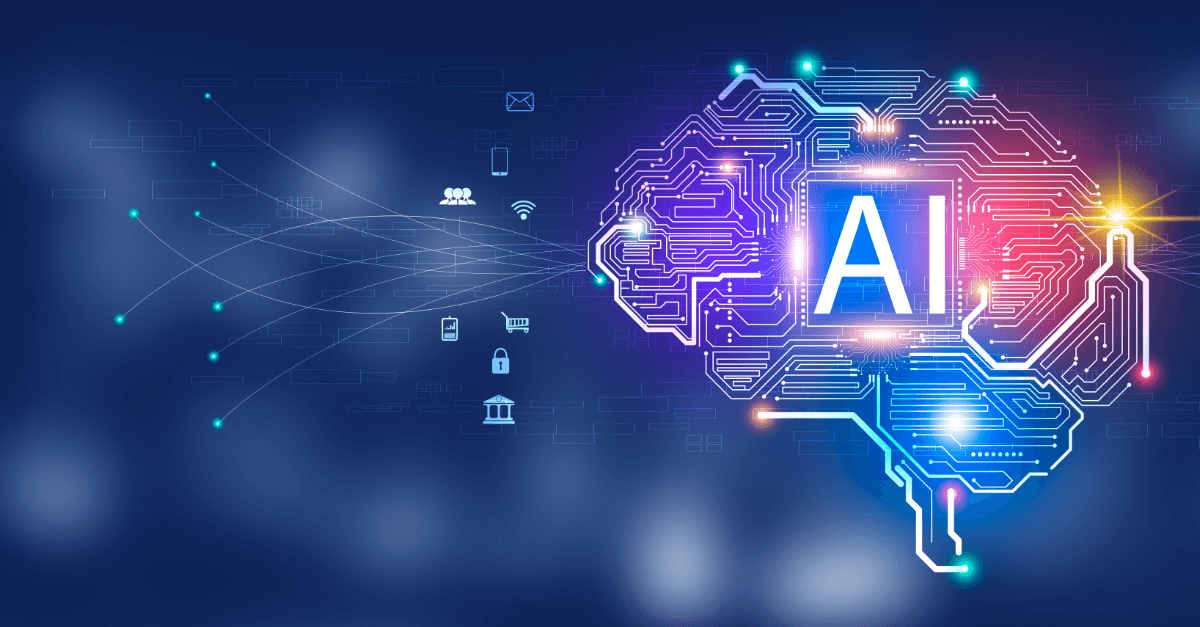
Software development has entered an era where speed and quality must coexist. Businesses are expected to release new features faster than ever while maintaining flawless user experiences across multiple platforms and devices. Traditional testing approaches, although still valuable, often struggle to keep up with agile development cycles and continuous deployment pipelines. This challenge has accelerated the adoption of artificial intelligence (AI) and machine learning (ML) in software testing.
Rather than replacing quality assurance professionals, AI is becoming a powerful assistant that automates repetitive tasks, predicts potential issues, and helps development teams deliver reliable software with greater efficiency. As organizations continue their digital transformation journeys, intelligent testing is quickly becoming a strategic advantage rather than simply another development tool.
Why Traditional Software Testing Is No Longer Enough
Increasing application complexity
Modern applications consist of microservices, cloud-native architectures, APIs, mobile interfaces, third-party integrations, and distributed infrastructure. Testing every possible scenario manually requires significant time and resources.
AI-driven testing platforms can analyze application behavior, prioritize critical areas, and identify high-risk components that deserve immediate attention.
Faster development cycles
DevOps and Continuous Integration/Continuous Deployment (CI/CD) have significantly shortened release cycles. Instead of deploying software every few months, organizations may release updates several times a day.
This rapid pace demands automated testing solutions capable of delivering immediate feedback without slowing development.
Businesses looking to modernize their engineering practices often turn to experienced technology partners such as Avenga. By combining expertise in software engineering, artificial intelligence, cloud technologies, and enterprise modernization, the company helps organizations build efficient development ecosystems where intelligent testing becomes an integral part of the software lifecycle. More information about its engineering capabilities can be found at avenga.com.
How Artificial Intelligence Improves Software Testing
Intelligent test case generation
Creating comprehensive test cases manually can be a lengthy process. AI algorithms analyze application logic, historical defects, and user behavior to generate optimized test scenarios automatically.
This allows QA teams to focus on complex validation tasks while reducing repetitive work.
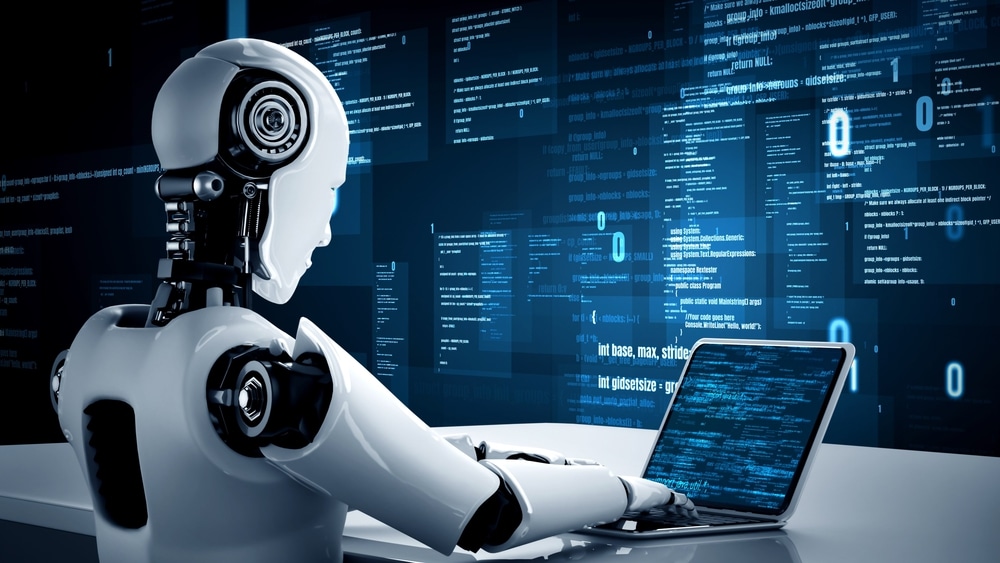
Self-healing automation
One of the biggest challenges in automated testing is maintaining scripts after interface changes. Even minor updates to buttons or layouts can cause automated tests to fail.
Machine learning addresses this issue through self-healing automation. Instead of requiring immediate manual updates, AI recognizes interface modifications and adapts test scripts automatically whenever possible.
This significantly reduces maintenance costs and improves testing reliability.
Risk-based testing
Not every feature carries the same level of business risk. Machine learning evaluates historical bugs, code changes, user interactions, and application architecture to determine which components require the highest testing priority.
Development teams can allocate resources more efficiently while reducing the likelihood of critical production failures.
Machine Learning in Defect Prediction
Identifying vulnerabilities before deployment
Machine learning models analyze thousands of previous software defects to recognize patterns associated with future issues.
Instead of reacting to bugs after they appear, development teams receive early warnings about modules that are statistically more likely to contain defects.
This predictive approach reduces costly production incidents while improving software stability.
Continuous quality monitoring
AI continuously monitors application performance throughout development, testing, and production environments.
When unusual behavior emerges, intelligent monitoring systems alert engineers before customers experience significant problems.
The result is a more proactive quality assurance strategy.
Smarter Test Automation
Visual testing powered by AI
Modern applications rely heavily on user interface consistency. Traditional automation often struggles to verify visual elements effectively.
AI-powered visual testing compares layouts, typography, spacing, colors, and design components much like a human reviewer would.
This helps detect unexpected interface changes that functional tests may overlook.
Natural language processing
Natural language processing allows testers to create automation scenarios using everyday language instead of complex programming syntax.
This makes automated testing more accessible to business analysts, product managers, and non-technical stakeholders while improving collaboration across development teams.
Supporting Agile and DevOps
Accelerating CI/CD pipelines
Continuous delivery depends on rapid testing cycles that provide reliable feedback within minutes.
AI optimizes execution by selecting the most relevant test suites based on recent code modifications instead of running every available test.

This reduces pipeline duration while maintaining high confidence in software quality.
Better collaboration across teams
AI-generated reports provide actionable insights rather than simply listing failed tests.
Developers receive detailed explanations, likely root causes, affected components, and recommended corrective actions, enabling faster issue resolution.
Benefits Beyond Bug Detection
Improved customer experience
Higher software quality translates directly into better customer satisfaction. Applications that function reliably encourage stronger engagement, increased loyalty, and positive brand perception.
AI helps organizations maintain consistent performance even as applications become increasingly sophisticated.
Lower operational costs
Although implementing AI-driven testing requires initial investment, long-term savings are substantial.
Reduced manual effort, fewer production incidents, faster release cycles, and improved automation maintenance all contribute to greater operational efficiency.
Enhanced scalability
As organizations expand their digital products, testing demands grow exponentially.
Machine learning systems scale alongside development environments, making it possible to maintain quality standards without proportionally increasing QA resources.
Choosing the Right Engineering Partner
Successfully integrating artificial intelligence into software testing requires expertise beyond automation frameworks. Organizations need specialists who understand cloud platforms, enterprise architecture, AI implementation, DevOps practices, cybersecurity, and scalable software engineering.
This is where selecting the right technology partner becomes a strategic decision.
Avenga supports businesses throughout their digital transformation by designing intelligent software solutions that combine AI capabilities with modern engineering practices. Its multidisciplinary teams help organizations modernize development workflows, optimize quality assurance processes, implement cloud-native architectures, and accelerate innovation without compromising software reliability.
Whether companies are adopting predictive analytics, intelligent automation, or advanced testing frameworks, experienced engineering support allows them to implement these technologies faster and more effectively.
The Future of Intelligent Quality Assurance
Artificial intelligence and machine learning are transforming software testing from a reactive process into a predictive, adaptive, and continuously evolving discipline. Instead of simply identifying defects after they occur, intelligent systems help prevent problems before they reach production.
As software ecosystems continue growing in complexity, organizations that embrace AI-driven testing will gain significant advantages in development speed, operational efficiency, product quality, and customer satisfaction. Intelligent quality assurance is no longer an emerging trend—it is becoming a fundamental component of modern software engineering and a key driver of long-term business success.
 Dutch
Dutch
 English
 Arabic
 French
 Spanish
 Portuguese
 Deutsch
 Turkish
 Italiano
 Russian
 Romaian
 Portuguese (Brazil)
 Greek
Greek
