


 Ban & Monetization Policy
 MyLiveRoom Rewards Program Rules & Eligibility
How Do Storage Tanks Work?
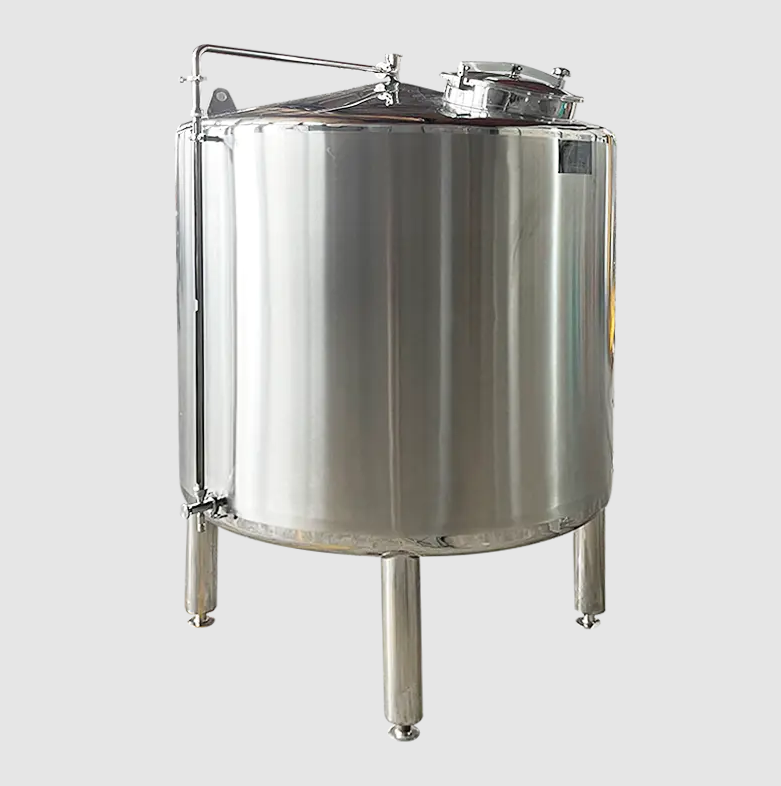
Storage Tanks are widely used in industries that need a dependable way to hold liquids, powders, or other materials before they move to the next production stage. From food processing facilities to chemical plants and water treatment systems, Storage Tanks provide organized storage while helping production lines operate smoothly. Their practical design allows materials to remain available whenever they are needed, creating an efficient connection between different manufacturing processes.
Different applications require different Storage Tanks. Vertical tanks are often selected when floor space is limited, while horizontal designs fit locations with height restrictions. Some tanks include flat bottoms for simple installation, while others feature cone-shaped bottoms that help materials flow toward discharge outlets. The choice depends on the characteristics of the stored material and the layout of the production area.
Material selection plays an important role during manufacturing. Stainless steel is commonly chosen for applications requiring a clean interior surface and strong corrosion resistance. Carbon steel is often used in industrial environments where structural strength is important. Depending on the project, additional surface treatments may be applied to create a smooth finish and an attractive appearance. Every material is selected according to operational requirements rather than using a single solution for every application.
Many industries rely on Storage Tanks every day. Beverage producers use them for ingredient storage before mixing and filling. Food manufacturers store edible liquids and processing materials during production. Pharmaceutical facilities organize intermediate materials inside carefully designed tanks. Chemical plants, cosmetic manufacturers, agricultural operations, and water treatment systems also depend on Storage Tanks to support organized material handling.
Another practical feature of Storage Tanks is their compatibility with automated production systems. Sensors, level indicators, mixers, and transfer pipelines can be integrated into the tank design according to production requirements. This flexibility allows engineers to create complete processing systems using standardized equipment connections.
Storage Tanks combine durable construction, adaptable configurations, and broad industrial compatibility. Their ability to organize material storage while supporting continuous production makes them valuable across food processing, pharmaceuticals, chemical manufacturing, agriculture, and many other industries. Careful engineering and precision manufacturing allow Storage Tanks to serve diverse applications with reliable performance.
 French
 English
 Arabic
 Spanish
 Portuguese
 Deutsch
 Turkish
 Dutch
Dutch
 Italiano
 Russian
 Romaian
 Portuguese (Brazil)
 Greek
Greek
