


 Ban & Monetization Policy
 MyLiveRoom Rewards Program Rules & Eligibility
Advanced Energy Storage Systems: Powering a Smarter and More Reliable Energy Future
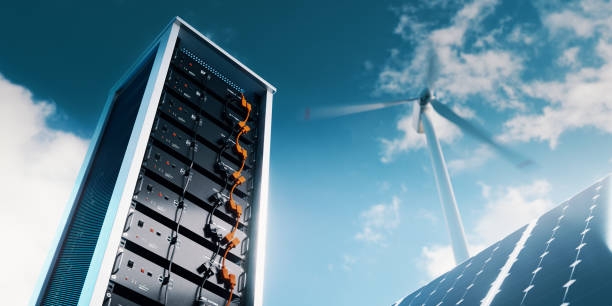
As the global demand for clean, reliable, and efficient energy continues to grow, advanced energy storage systems have become a cornerstone of modern power infrastructure. These systems make it possible to store energy when it is abundant and release it when demand increases, improving grid stability and supporting the integration of renewable energy sources such as solar and wind.
Unlike traditional energy storage methods,ms advanced energy storage system use innovative technologies that provide higher efficiency, faster response times, longer operational life, and greater flexibility. They play a vital role in ensuring a stable electricity supply while helping reduce energy waste and improve overall energy management.
What Are Advanced Energy Storage Systems?
Advanced Energy Storage Systems (AESS) are technologies designed to capture, store, and release electrical or thermal energy for later use. These systems help balance electricity generation and consumption by storing excess energy during periods of low demand and supplying it during peak demand or when renewable energy production decreases.
They support power reliability, improve energy efficiency, and enable greater use of renewable energy in residential, commercial, industrial, and utility-scale applications.
How Do Advanced Energy Storage Systems Work?
Energy storage systems collect electricity from power generation sources or the electrical grid and store it in various forms, including chemical, mechanical, thermal, or electrical energy. When additional power is needed, the stored energy is converted back into electricity and delivered to homes, businesses, industries, or the electrical grid.
Modern storage systems are often equipped with intelligent battery management systems, sensors, and energy management software that optimize charging, discharging, and overall system performance.
Types of Advanced Energy Storage Systems
Battery Energy Storage Systems (BESS)
Battery storage is one of the most widely used forms of advanced energy storage. Various battery chemistries—including lithium-ion, flow batteries, sodium-sulfur, and solid-state batteries—offer reliable storage for renewable energy, backup power, and grid applications.
Pumped Hydroelectric Storage
This technology stores energy by pumping water to a higher reservoir during periods of low electricity demand. When energy is required, the water flows back through turbines to generate electricity. It remains one of the most established large-scale storage methods.
Thermal Energy Storage
Thermal storage systems capture heat or cold for later use. These systems are commonly used in district heating, cooling applications, and renewable energy facilities to improve energy efficiency.
Compressed Air Energy Storage (CAES)
Compressed air systems store energy by compressing air into underground caverns or specialized storage vessels. The compressed air is later released to generate electricity during periods of increased demand.
Flywheel Energy Storage
Flywheel systems store energy as rotational kinetic energy. They provide extremely fast response times and are often used for frequency regulation, voltage support, and short-duration backup power.
Hydrogen Energy Storage
Hydrogen storage converts surplus electricity into hydrogen through electrolysis. The hydrogen can later be used to generate electricity or serve as a clean energy carrier for industrial and transportation applications.
Benefits of Advanced Energy Storage Systems
Supports Renewable Energy Integration
Renewable energy sources such as solar and wind generate electricity intermittently. Energy storage systems capture excess electricity when production is high and make it available when renewable generation declines.
Improves Grid Stability
Advanced storage systems help maintain a stable electricity supply by balancing fluctuations in power generation and demand, reducing the risk of voltage instability and outages.
Provides Backup Power
Energy storage systems deliver reliable backup electricity during grid failures, making them valuable for hospitals, data centers, manufacturing facilities, and residential buildings.
Increases Energy Efficiency
By storing surplus electricity instead of wasting it, advanced energy storage systems improve overall energy utilization and reduce unnecessary power losses.
Reduces Peak Demand
Stored electricity can be used during periods of high energy consumption, helping reduce pressure on the electrical grid and improving overall system efficiency.
Applications of Advanced Energy Storage Systems
Advanced energy storage technologies are widely used across multiple sectors, including:
- Renewable energy power plants
- Utility-scale electricity grids
- Residential solar energy systems
- Commercial buildings
- Industrial manufacturing facilities
- Data centers
- Electric vehicle charging infrastructure
- Microgrids
- Remote and off-grid communities
Their flexibility allows them to support both small-scale and large-scale energy management solutions.
Key Components of an Advanced Energy Storage System
A complete energy storage system typically includes:
- Energy storage unit (battery, thermal, mechanical, or hydrogen storage)
- Power conversion system (PCS)
- Battery or energy management system
- Monitoring and control software
- Cooling or thermal management system
- Safety and protection equipment
- Grid connection components
Together, these components ensure efficient, safe, and reliable operation.
Challenges of Advanced Energy Storage Systems
Despite their many advantages, advanced energy storage systems face several challenges:
- High initial installation costs for some technologies
- Performance degradation over long operational periods
- Recycling and end-of-life management for certain battery chemistries
- Space requirements for large-scale installations
- Need for advanced safety and thermal management systems
Continuous technological innovation is helping overcome many of these challenges by improving efficiency, durability, and sustainability.
Best Practices for Energy Storage System Operation
To maximize performance and lifespan:
- Perform regular maintenance and inspections.
- Monitor system health using advanced management software.
- Maintain appropriate operating temperatures.
- Follow manufacturer guidelines for charging and discharging.
- Conduct periodic safety inspections.
- Use certified installation and maintenance professionals.
These practices help improve system reliability and long-term performance.
Future of Advanced Energy Storage Systems
The future of energy storage is centered on greater efficiency, longer storage duration, improved safety, and enhanced sustainability. Research is advancing next-generation battery chemistries, hybrid energy storage systems, long-duration storage technologies, hydrogen-based storage, and AI-powered energy management platforms. These innovations are expected to strengthen renewable energy integration, improve grid resilience, and support the transition toward cleaner and more efficient energy systems.
Conclusion
Advanced Energy Storage Systems are transforming the way electricity is generated, stored, and distributed. By enabling reliable backup power, supporting renewable energy integration, improving grid stability, and enhancing energy efficiency, these technologies have become an essential component of modern energy infrastructure. As innovations continue to improve storage capacity, operational efficiency, and sustainability, advanced energy storage systems will remain at the forefront of the global transition toward a cleaner, smarter, and more resilient energy future.
 Russian
 English
 Arabic
 French
 Spanish
 Portuguese
 Deutsch
 Turkish
 Dutch
Dutch
 Italiano
 Romaian
 Portuguese (Brazil)
 Greek
Greek
