


 Ban & Monetization Policy
 MyLiveRoom Rewards Program Rules & Eligibility
YG-1 Environmental Protocol for Melamine Resin Scrap Handling
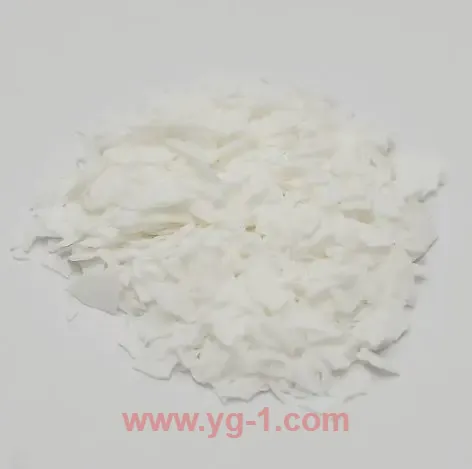
Industrial waste streams demand careful classification before any disposal action occurs.Melamine resin waste, whether scrap from laminate production, expired raw material, or processing residue, falls under distinct regulatory frameworks across jurisdictions. The cured polymer differs substantially from uncured resin in its environmental behavior and treatment options. Facilities generating such materials must navigate complex rules that vary by region and waste state. Taizhou Huangyan Donghai Chemical Co., Ltd. (YG-1) maintains comprehensive knowledge of these requirements, assisting clients in developing compliant waste strategies. Many operators assume all polymer waste receives similar handling, yet melamine resin possesses unique characteristics that alter its regulatory status significantly. Could your current disposal protocol withstand a regulatory audit for this specific substance?
Regulatory Classification Fundamentals
International frameworks establish baseline categories for melamine resin waste. The Basel Convention lists cured melamine formaldehyde resins under Annex IX, specifically B3011, provided these materials proceed to recycling operations in an environmentally sound manner and remain substantially free from contamination-3-4. This classification places such waste under the "green control procedure" within OECD member countries, generally excluding it from hazardous waste designation-5. However, the classification shifts when contamination occurs or when the resin contains additives that trigger hazardous properties. Uncured resin, liquid formulations, or material mixed with other substances may fall outside this exemption. National authorities often impose additional requirements beyond the Basel framework. The European Union identifies melamine itself as a Substance of Very High Concern since January 2023, with classification as a category 2 carcinogen affecting the urinary tract upon repeated exposure-2.
Physical State and Treatment Implications
The disposal pathway depends heavily on whether the melamine resin exists as fully cured solid or as uncured reactive material. Polymerized melamine resin from laminate impregnation processes typically consists of completely cured C-stage material, which demonstrates stability and limited environmental mobility-1. Such solid waste often qualifies for disposal through conventional industrial waste channels, though verification of composition remains essential. Uncured resin, containing reactive methylol groups and potentially free formaldehyde, demands more stringent handling. Solvent-containing formulations require evaluation under volatile organic compound regulations. Each physical form presents distinct storage, transport, and treatment considerations that influence compliance strategy selection. The responsible generator must characterize each waste stream individually, recognizing that batch variations affect proper classification.
Contamination Factors and Hazard Determination
Additives and process contaminants transform melamine resin waste from a potentially benign polymer into a substance requiring hazardous waste protocols. Pigments, flame retardants, plasticizers, and processing oils introduce elements that may trigger toxicity characteristics. Titanium dioxide and certain dyes appear in many laminate formulations, while reinforcement fibers present additional disposal considerations-1. The Toxicity Characteristic Leaching Procedure (TCLP) provides a standardized method for determining whether waste exhibits hazardous extractability. Knowledge of formulation history often substitutes for extensive testing, provided the generator maintains accurate production records. Contaminated material containing free amines, residual formaldehyde, or incompatible substances cannot rely on the simplified disposal allowances granted to pure cured polymer.
Storage and Accumulation Practices
Proper waste storage prevents environmental release and preserves compliance documentation. Melamine resin waste should accumulate in designated areas with secondary containment capable of capturing any liquid releases. Container labeling must identify contents, hazard characteristics, and accumulation start dates. Generator sites typically limit storage duration according to local regulations, often establishing 90-day or 180-day accumulation periods before off-site transport. Incompatible waste types require physical separation to prevent reactions that produce heat, gas, or toxic compounds. Regular inspections of storage areas document compliance while identifying potential leaks early. YG-1 emphasizes these housekeeping practices as fundamental to maintaining regulatory standing and avoiding enforcement actions.
Treatment Technology Selection
Available treatment technologies range from simple landfill disposal to energy recovery and material recycling. Cured melamine resin exhibits thermoplastic behavior only at elevated temperatures, limiting melt-processing options compared to thermoplastics. Incineration with energy recovery offers volume reduction and useful heat, though emission controls must address nitrogen oxides and potential hydrogen cyanide formation. Landfilling of inert cured resin proceeds in many jurisdictions, with waste acceptance criteria governing permissible constituents. Chemical treatment, including hydrolysis or oxidation, breaks the polymer structure but generates secondary waste streams requiring additional handling. Each option carries distinct cost, permitting, and public acceptance considerations that influence the final selection.
Recycling Opportunities
Material recycling provides an environmentally preferred alternative when technical and economic conditions align. The Basel Convention explicitly encourages recycling of melamine formaldehyde resins, recognizing their value as secondary raw materials-3-4. Clean, sorted scrap can re-enter production processes as filler, extenders, or fuel supplements. However, collection, sorting, and processing costs often challenge the economic viability of such operations. The recycled material quality must match end-use requirements, limiting applications to products tolerant of variable properties. Technological advances continue expanding recycling possibilities, with research exploring novel depolymerization methods that recover monomers for new polymer synthesis.
Documentation and Recordkeeping
Comprehensive documentation demonstrates due diligence during regulatory inspections. Generators must maintain waste characterization records, manifests, and shipping documents for specified retention periods. Waste profiles, signed by generator representatives, establish the basis for classification and treatment decisions-1. These records protect the generator if questions arise about material handling methods. YG-1 recommends establishing a waste management file for each melamine resin stream, containing formulation information, test results, and disposal certificates. Such documentation also supports downstream receiver acceptance, as treatment facilities require advance knowledge of incoming material composition.
Contractor Selection and Liability
Transporting melamine resin waste to unauthorized facilities exposes generators to liability and enforcement actions. Selecting licensed waste contractors with appropriate permits and equipment represents a critical compliance step. Contractors should provide documentation of their registration, insurance coverage, and facility acceptance criteria. The generator remains responsible for waste from cradle to grave under many regulatory systems, creating ongoing risk through the disposal chain. For detailed guidance on melamine resin properties and compliant handling strategies, visit https://www.yg-1.com. YG-1 advises clients to audit disposal partners regularly, confirming continued compliance and operational capability.
 Turkish
 English
 Arabic
 French
 Spanish
 Portuguese
 Deutsch
 Dutch
Dutch
 Italiano
 Russian
 Romaian
 Portuguese (Brazil)
 Greek
Greek
