


 Ban & Monetization Policy
 MyLiveRoom Rewards Program Rules & Eligibility
Fashion Illustration Tips for Beginners: A Complete Guide to Drawing Like a Designer
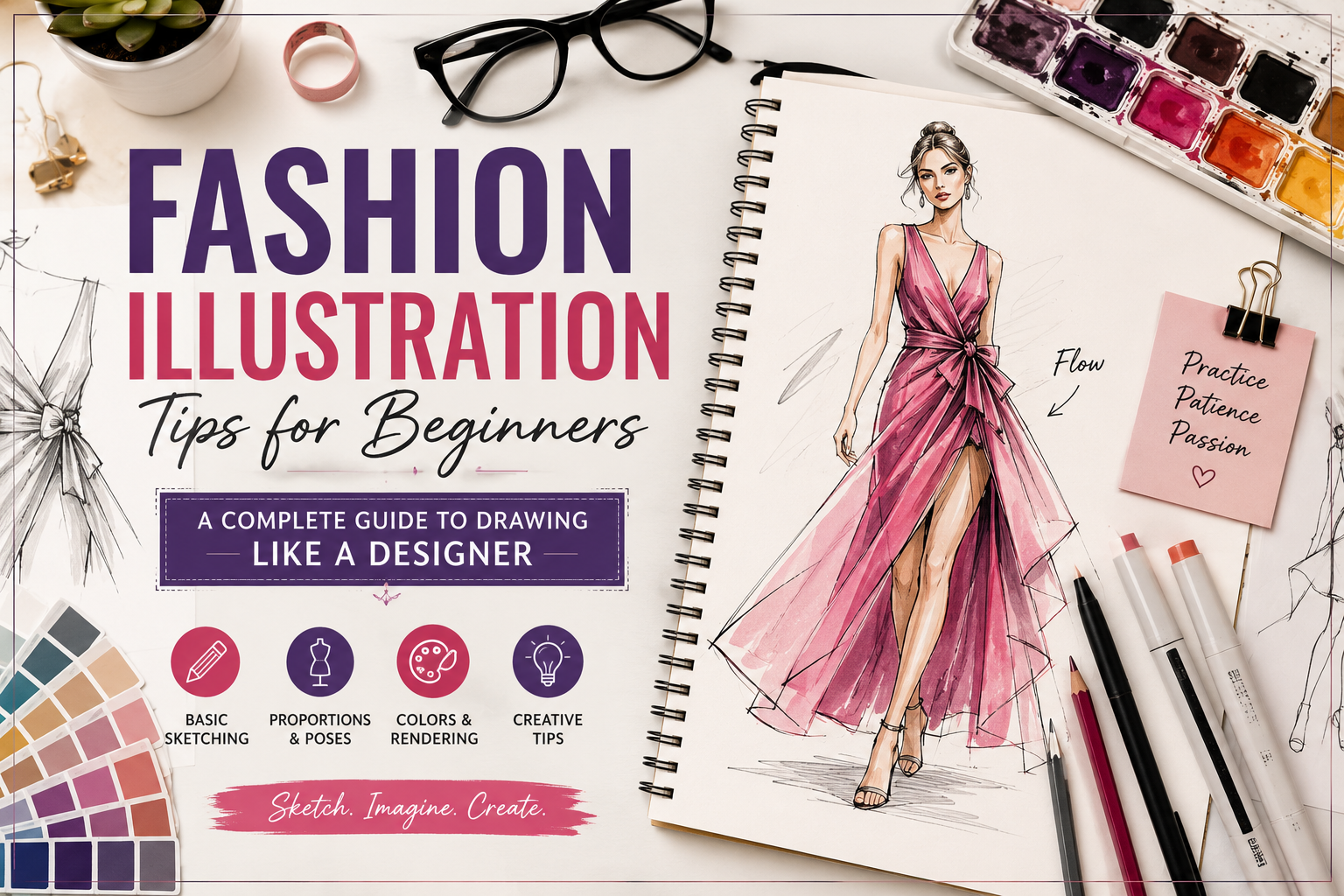
Fashion illustration is the language of fashion design. Before a garment is stitched or showcased on a runway, it begins as an idea on paper. A well-crafted fashion illustration helps designers communicate silhouettes, fabrics, colors, textures, and creative concepts with precision.
Whether you aspire to become a fashion designer or simply love sketching clothing, mastering fashion illustration is one of the first and most important skills to develop. Students studying at the top design institute in Kolkata receive structured training in illustration techniques, helping them build a strong creative foundation for the fashion industry.
In this beginner-friendly guide, you'll learn practical fashion illustration tips, the essential tools you'll need, common mistakes to avoid, and how consistent practice can transform your sketches into professional portfolio pieces.
What Is Fashion Illustration?
Fashion illustration is the artistic representation of clothing, accessories, and fashion ideas. Unlike realistic drawing, fashion illustration emphasizes proportions, movement, fabric flow, and design details.
Fashion designers use illustrations to:
- Present creative ideas
- Develop garment concepts
- Communicate with pattern makers
- Showcase collections
- Build professional portfolios
- Pitch designs to clients and brands
It combines creativity with technical accuracy, making it an essential skill for every aspiring designer.
Why Fashion Illustration Is Important
Every successful designer starts with a sketch.
Fashion illustration helps you:
- Visualize original ideas
- Improve creativity
- Experiment with different silhouettes
- Understand garment construction
- Present concepts professionally
- Build a strong design portfolio
The better your illustrations, the easier it becomes to communicate your vision to clients, manufacturers, and fashion teams.
Essential Tools for Beginners
You don't need expensive equipment to start. Begin with basic tools and upgrade as your skills improve.
Drawing Materials
- Sketchbook
- HB and 2B pencils
- Eraser
- Sharpener
- Fine liner pens
- Colored pencils
- Watercolor markers
- Alcohol markers
Digital Tools
Many designers now create illustrations digitally using software such as:
- Adobe Illustrator
- Adobe Photoshop
- Procreate
- Clip Studio Paint
Learning both traditional and digital illustration gives you greater flexibility in today's fashion industry.
Understand Fashion Figure Proportions
One of the biggest differences between fashion illustration and regular figure drawing is proportion.
Fashion figures are intentionally elongated to create an elegant appearance.
Professional fashion croquis typically measure:
- 9-head proportion
- 9.5-head proportion
- 10-head proportion
These elongated figures help garments appear more graceful and visually balanced.
Start with a Fashion Croquis
A croquis is a basic fashion figure used as the foundation for clothing designs.
Instead of drawing a new body every time, designers often reuse croquis templates to focus on garment details.
Practice drawing:
- Front view
- Side view
- Back view
- Walking pose
- Standing pose
Once you're comfortable with these poses, experimenting with dynamic movements becomes much easier.
Learn Basic Body Anatomy
Fashion illustration doesn't require medical-level anatomy knowledge, but understanding body structure is essential.
Study:
- Shoulder width
- Waist placement
- Hip alignment
- Arm movement
- Leg positioning
- Neck proportions
Accurate anatomy creates more believable and professional illustrations.
Focus on Garment Silhouettes
Before adding decorative details, understand the overall shape of the garment.
Common silhouettes include:
- A-Line
- Straight
- Mermaid
- Empire
- Balloon
- Oversized
- Fit and Flare
Practicing different silhouettes improves your versatility as a designer.
Practice Fabric Rendering
One of the most challenging aspects of fashion illustration is drawing fabrics realistically.
Observe how different materials behave.
For example:
Cotton
Soft folds with moderate volume.
Silk
Smooth, flowing drapes with natural shine.
Denim
Heavy structure with fewer folds.
Leather
Sharp folds with reflective highlights.
Chiffon
Lightweight, transparent, and fluid movement.
The more fabrics you observe in real life, the better your illustrations will become.
Master Clothing Details
Professional fashion sketches stand out because of their attention to detail.
Practice illustrating:
- Buttons
- Zippers
- Pleats
- Ruffles
- Lace
- Embroidery
- Pockets
- Seams
- Collars
- Cuffs
Small details often make a design look polished and realistic.
Learn Color Theory
Color brings your illustrations to life.
Understanding color relationships helps create balanced and visually appealing designs.
Study:
- Primary colors
- Secondary colors
- Complementary colors
- Analogous colors
- Warm and cool tones
- Monochromatic palettes
Experimenting with color combinations develops your creative confidence.
Develop Your Own Illustration Style
Every successful designer eventually creates a signature style.
Rather than copying others, experiment with:
- Different line weights
- Unique color palettes
- Various facial features
- Hair textures
- Background compositions
- Rendering techniques
Your personal style becomes an important part of your design identity.
Practice Fashion Accessories
Fashion illustration goes beyond clothing.
Include accessories such as:
- Handbags
- Shoes
- Hats
- Sunglasses
- Jewelry
- Belts
- Scarves
These additions complete the look and make illustrations more realistic.
Study Fashion Trends
Following current fashion trends helps you create contemporary illustrations.
Observe:
- Fashion Week collections
- Designer campaigns
- Luxury brands
- Street fashion
- Editorial magazines
- Celebrity styling
Studying trends broadens your creative perspective without limiting originality.
Build a Professional Portfolio
A strong portfolio demonstrates your growth and design potential.
Include:
- Fashion croquis
- Casual wear
- Evening wear
- Bridal collections
- Men's fashion
- Children's wear
- Textile explorations
- Mood boards
- Technical flats
- Digital illustrations
Quality is more important than quantity.
Common Mistakes Beginners Should Avoid
Many beginners struggle because of avoidable habits.
Try not to:
- Rush through sketches
- Ignore body proportions
- Overuse dark outlines
- Skip fabric practice
- Copy existing designs
- Neglect color harmony
- Avoid feedback
- Stop practicing after early mistakes
Improvement comes through consistency and observation.
Daily Practice Routine
A simple routine can significantly improve your illustration skills.
Spend time each day on:
- Gesture sketches
- Croquis practice
- Fabric folds
- Accessories
- Color rendering
- Fashion poses
- Trend-inspired outfits
Even 30–45 minutes of focused practice can make a noticeable difference over time.
How Professional Training Makes a Difference
While self-learning is valuable, professional guidance helps you refine your techniques faster.
Students enrolled at the top design institute in Kolkata benefit from:
- Expert mentorship
- Structured illustration classes
- Live sketching sessions
- Portfolio reviews
- Fashion software training
- Industry-oriented assignments
- Design competitions
- Fashion exhibitions
- Internship opportunities
These experiences prepare aspiring designers for real-world creative challenges.
Career Opportunities After Learning Fashion Illustration
Strong illustration skills open doors to various career paths, including:
- Fashion Designer
- Fashion Illustrator
- Textile Designer
- Costume Designer
- Fashion Stylist
- Apparel Designer
- Fashion Consultant
- Design Faculty
- Freelance Illustrator
- Fashion Entrepreneur
As your skills grow, you can also collaborate with brands, publishers, and digital fashion platforms.
Final Thoughts
Fashion illustration is the foundation of every successful fashion design journey. It transforms ideas into visual concepts and allows designers to communicate creativity with clarity and confidence. As a beginner, focus on mastering the basics—proportions, silhouettes, fabric rendering, color, and consistent practice. Over time, these skills will help you develop a distinctive style and a professional portfolio.
Learning under experienced mentors at the top design institute in Kolkata can further accelerate your growth by providing practical training, constructive feedback, and exposure to industry standards. With dedication and continuous practice, your fashion illustrations can become the first step toward a rewarding career in the ever-evolving world of fashion.
Frequently Asked Questions (FAQs)
Is fashion illustration difficult for beginners?
No. With regular practice and guidance, beginners can gradually improve their drawing, observation, and rendering skills.
Do I need to be good at drawing before studying fashion design?
Not necessarily. Most fashion design programs teach illustration from the basics, helping students build their skills step by step.
Can I learn fashion illustration digitally?
Yes. Many designers use digital tools such as Adobe Illustrator, Photoshop, and Procreate alongside traditional sketching techniques.
Why should I study at the top design institute in Kolkata?
The top design institute in Kolkata offers expert faculty, structured illustration training, portfolio development, digital design education, industry exposure, and practical learning opportunities that prepare students for successful careers in fashion design.
 Romaian
 English
 Arabic
 French
 Spanish
 Portuguese
 Deutsch
 Turkish
 Dutch
Dutch
 Italiano
 Russian
 Portuguese (Brazil)
 Greek
Greek
