


 Ban & Monetization Policy
 MyLiveRoom Rewards Program Rules & Eligibility
How long does it take to complete an Ophthalmic Modular Operation Theatre project?
INTRODUCTION
An Ophthalmic Modular Operation Theatre is a highly specialized surgical environment designed for advanced eye care procedures such as cataract surgery, retinal surgery, glaucoma treatment, corneal transplantation, vitreoretinal surgery, and refractive procedures. Unlike conventional operating rooms, modular ophthalmic operation theatres require advanced engineering that combines cleanroom technology, HVAC systems, modular construction, medical gas pipelines, electrical infrastructure, environmental monitoring, and surgical equipment integration. Since these systems must work together seamlessly, project completion depends on careful planning, precise execution, and thorough validation.
Many hospitals planning a new Ophthalmic Modular Operation Theatre ask how long the complete project will take. The answer depends on several factors, including project size, site readiness, customization requirements, HVAC complexity, equipment availability, regulatory approvals, and validation procedures. While smaller projects may be completed within a few weeks, large turnkey installations with advanced engineering and customized infrastructure generally require several months. Working with an experienced engineering company helps ensure efficient project management while maintaining quality, safety, and compliance.
This article explains the factors that influence project timelines and how hospitals can achieve timely completion.
Why Project Duration Varies
Every operation theatre project is unique.
Completion time depends on:
- Facility size
- Engineering scope
- Existing infrastructure
- Customization requirements
Proper planning improves scheduling accuracy.
Initial Consultation
Every project begins with consultation.
This phase includes:
- Requirement analysis
- Site discussions
- Operational planning
- Budget review
Early planning establishes project objectives.
Site Inspection
Engineering teams perform detailed site inspections.
They evaluate:
- Available space
- Existing utilities
- Structural conditions
- Installation feasibility
Accurate assessments reduce future delays.
Requirement Analysis
Hospitals define:
- Surgical specialties
- Equipment requirements
- Workflow expectations
- Future expansion
Clear requirements simplify engineering.
Concept Design
Design teams prepare conceptual layouts.
This includes:
- Room planning
- Equipment positioning
- Workflow optimization
- Utility allocation
Concept approval moves the project forward.
Engineering Design
Detailed engineering follows concept approval.
Design work includes:
- HVAC systems
- Electrical layouts
- Medical gas systems
- Modular construction
Engineering quality determines project success.
HVAC Engineering
HVAC design requires detailed calculations.
This includes:
- Airflow
- Temperature
- Humidity
- Pressure control
Proper HVAC engineering supports sterile environments.
Equipment Selection
Hospitals finalize medical equipment.
Common equipment includes:
- Surgical microscopes
- Operating tables
- LED lights
- Monitoring systems
Equipment availability affects timelines.
Material Procurement
Once engineering is complete, procurement begins.
Materials include:
- Modular wall panels
- Ceiling systems
- Flooring
- Doors
- HEPA filters
Procurement duration depends on supplier availability.
Factory Manufacturing
Many modular components are manufactured off-site.
Factory production includes:
- Wall panels
- Ceiling panels
- Custom modules
Factory fabrication improves quality and reduces installation time.
Site Preparation
Construction teams prepare the installation area.
Preparation includes:
- Civil modifications
- Utility connections
- Structural adjustments
Proper preparation speeds installation.
Modular Construction
Installation of modular systems includes:
- Wall panels
- Ceiling systems
- Flooring
- Doors
Modular construction is faster than conventional construction.
HVAC Installation
HVAC installation includes:
- Air handling units
- Ductwork
- HEPA filtration
- Air distribution systems
HVAC integration is one of the most critical phases.
Electrical Installation
Electrical engineering includes:
- Power distribution
- UPS systems
- Lighting
- Control panels
Reliable electrical infrastructure supports operation theatre equipment.
Medical Gas Installation
Medical gas systems include:
- Oxygen
- Medical air
- Vacuum pipelines
Proper installation ensures safe operation.
Laminar Airflow Integration
Many Ophthalmic Modular Operation Theatre projects include laminar airflow.
Installation includes:
- Diffusers
- HEPA filters
- Air balancing
Laminar airflow improves contamination control.
Equipment Installation
Medical equipment is installed after infrastructure completion.
Installation includes:
- Surgical microscopes
- Operating tables
- Imaging systems
- Storage units
Correct positioning supports efficient workflow.
Environmental Monitoring
Monitoring systems are integrated.
These monitor:
- Temperature
- Humidity
- Pressure
- Air quality
Continuous monitoring improves reliability.
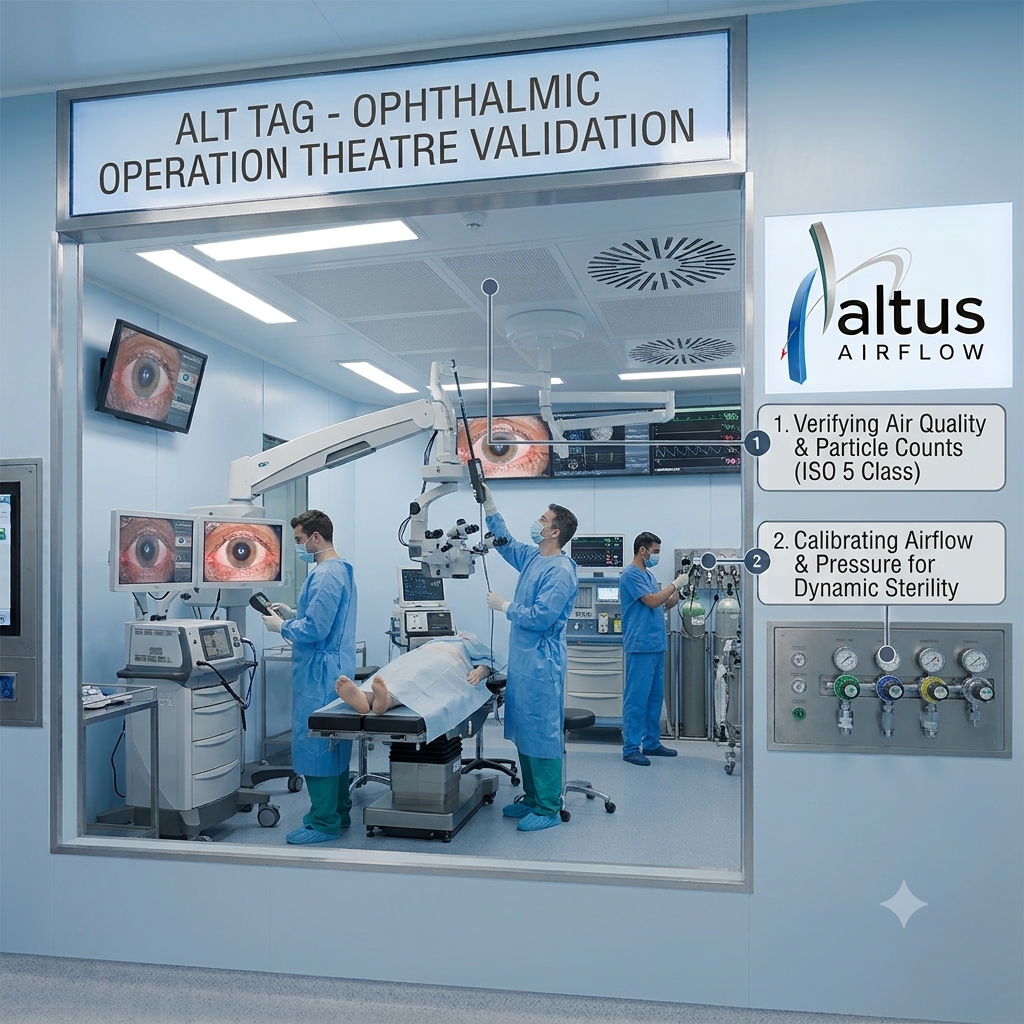
Validation
Validation confirms system performance.
Testing includes:
- HEPA integrity testing
- Airflow balancing
- Pressure verification
- Environmental monitoring
Validation ensures operational readiness.
Regulatory Inspection
Some projects require inspections before commissioning.
Inspection may review:
- Safety
- Engineering quality
- Environmental performance
Compliance supports accreditation.
Staff Training
Before handover, staff receive training.
Training includes:
- Equipment operation
- HVAC systems
- Environmental monitoring
Training improves operational efficiency.
Final Commissioning
Commissioning confirms all systems function correctly.
This includes:
- Equipment testing
- Environmental verification
- Operational checks
Commissioning completes the project.
Factors That May Extend Timelines
Project duration may increase due to:
- Design revisions
- Equipment shortages
- Site challenges
- Regulatory approvals
Early planning reduces delays.
Benefits of Professional Project Management
Experienced engineering companies improve project efficiency through:
- Better scheduling
- Faster procurement
- Coordinated installation
- Reduced delays
Professional management supports timely delivery.
Typical Project Duration
Although timelines vary, most Ophthalmic Modular Operation Theatre projects progress through the following stages:
- Planning and design
- Engineering
- Procurement
- Manufacturing
- Installation
- Validation
- Commissioning
The overall duration depends on project complexity rather than a fixed timeframe.
How Hospitals Can Reduce Project Time
Hospitals can improve timelines by:
- Defining requirements early
- Approving designs promptly
- Coordinating utilities
- Selecting experienced engineering teams
Good planning improves project efficiency.
Long-Term Benefits of Proper Execution
A carefully executed Ophthalmic Modular Operation Theatre project delivers:
- Better surgical environments
- Improved patient safety
- Reliable environmental control
- Lower maintenance
- Long-term operational efficiency
Quality engineering provides lasting value.
Conclusion
Completing an Ophthalmic Modular Operation Theatre project involves multiple carefully coordinated stages including planning, engineering, HVAC design, modular construction, equipment procurement, installation, validation, staff training, and final commissioning. While project duration varies according to facility size, customization, equipment requirements, regulatory approvals, and engineering complexity, proper planning and experienced project management significantly improve efficiency and reduce unnecessary delays. Hospitals that work with qualified engineering specialists benefit from streamlined execution, high-quality construction, reliable environmental control, regulatory compliance, and long-term operational performance. By integrating advanced cleanroom technology, modular construction, specialized HVAC engineering, and comprehensive turnkey solutions, Altus Airflow delivers ophthalmic operation theatres designed for precision, safety, efficiency, and sustainable clinical excellence.
Frequently Asked Questions (FAQs)
1. How long does an Ophthalmic Modular Operation Theatre project usually take?
The completion time for an Ophthalmic Modular Operation Theatre depends on project size, engineering complexity, equipment availability, and validation requirements.
2. What factors influence an Ophthalmic Modular Operation Theatre project timeline?
An Ophthalmic Modular Operation Theatre project timeline depends on design approval, HVAC engineering, procurement, modular construction, equipment installation, and validation.
3. Does validation increase the completion time of an Ophthalmic Modular Operation Theatre?
Yes, validation is an essential phase of every Ophthalmic Modular Operation Theatre project because it verifies airflow, HEPA filtration, pressure, and environmental performance.
4. Can modular construction reduce the installation time of an Ophthalmic Modular Operation Theatre?
Yes, modular construction allows an Ophthalmic Modular Operation Theatre to be installed more efficiently than conventional construction methods.
5. How can hospitals ensure timely completion of an Ophthalmic Modular Operation Theatre project?
Hospitals can complete an Ophthalmic Modular Operation Theatre project efficiently by selecting experienced engineering teams, approving designs quickly, and planning utilities before installation.
Read Our Previous Blog------>What standards and guidelines should a Modular Ophthalmic Operation Theatre follow?
 Deutsch
 English
 Arabic
 French
 Spanish
 Portuguese
 Turkish
 Dutch
Dutch
 Italiano
 Russian
 Romaian
 Portuguese (Brazil)
 Greek
Greek
