


 Ban & Monetization Policy
 MyLiveRoom Rewards Program Rules & Eligibility
Ketamine Therapy for PTSD: How It Helps Process Trauma
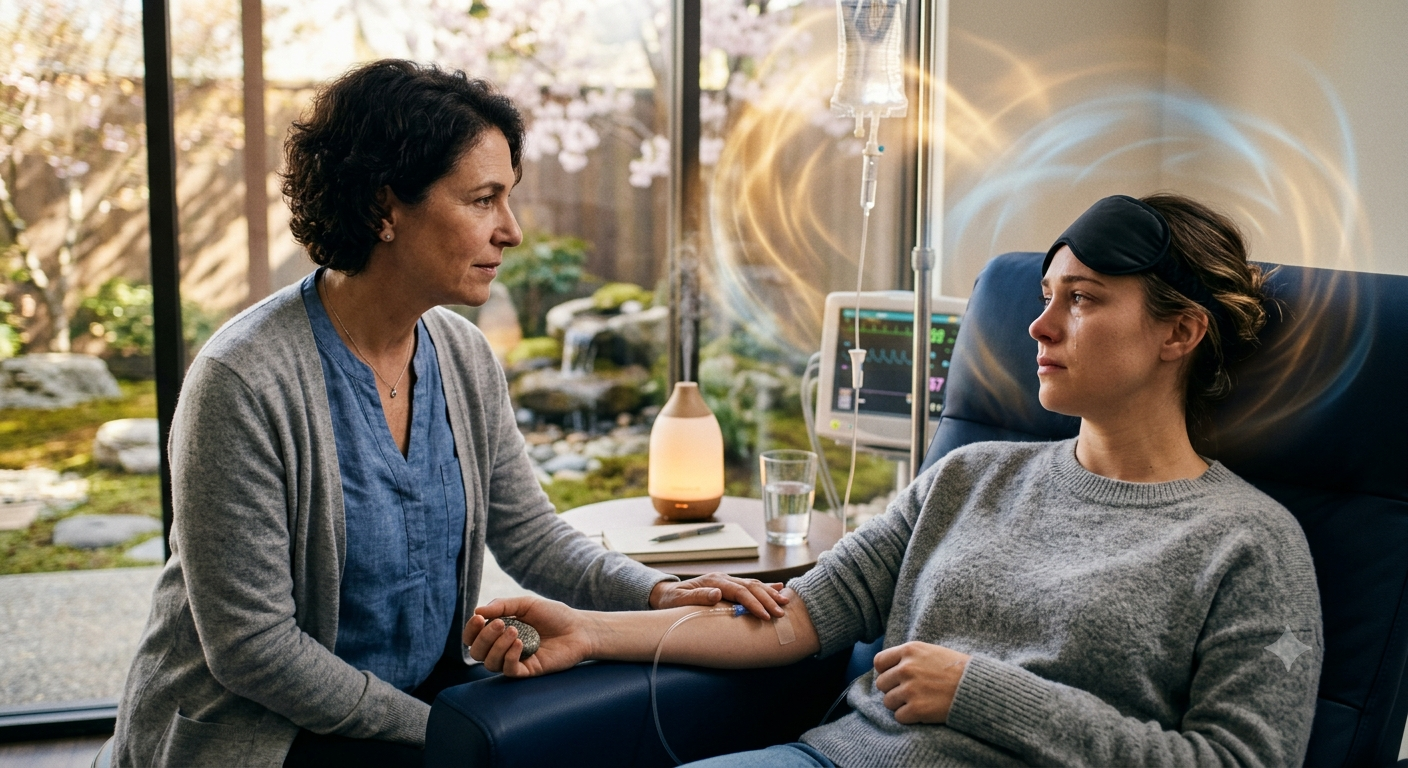
Post-traumatic stress disorder can trap people in a loop of flashbacks, hypervigilance, and emotional numbness that standard treatments often fail to break. For those who haven't found relief in talk therapy or traditional medication, ketamine therapy has emerged as a promising option that works on the brain in a completely different way. Instead of slowly adjusting mood chemicals over weeks, it acts fast and appears to help the brain loosen its grip on traumatic memories. Understanding how this treatment helps process trauma can open a new door for people who felt they had run out of options.
What Makes PTSD So Hard to Treat
PTSD is a mental health condition triggered by experiencing or witnessing a traumatic event, marked by intrusive memories, avoidance, and heightened stress responses. It affects roughly 4% of the global population, and for many, conventional treatment falls short.
The core challenge is that traumatic memories get physically wired into the brain. Standard antidepressants often produce only small improvements over placebo, especially in groups like military veterans. That leaves a large number of people cycling through medications without meaningful relief.
This treatment gap is exactly why researchers began looking at ketamine. It doesn't just manage symptoms on the surface, it appears to work at the level of brain connectivity where trauma takes hold.
How Ketamine Therapy Works on the Traumatized Brain
Ketamine therapy is a medical treatment that uses controlled, low doses of ketamine to rapidly reduce symptoms of conditions like PTSD, depression, and anxiety. It works by blocking NMDA glutamate receptors, which triggers a cascade of effects that traditional antidepressants don't reach.
Here's what makes it different:
-
It acts fast: Where standard medications take weeks, ketamine can reduce PTSD symptoms within 24 hours of a single dose.
-
It boosts neuroplasticity: By stimulating new connections between brain cells, it may help the brain form healthier pathways around traumatic memories.
-
It creates a therapeutic window: The temporary shift in perception can make it easier to revisit painful memories without the usual overwhelming fear response.
This last point is key to why ketamine pairs so well with therapy. The medicine appears to soften the emotional charge attached to trauma, giving the brain a chance to reprocess it.
What the Research Actually Shows
The evidence for ketamine therapy in PTSD is growing and increasingly convincing. Several well-designed studies have measured its impact on real patients with chronic, treatment-resistant symptoms.
Consider these findings:
-
In a landmark randomized controlled trial at Mount Sinai, repeated ketamine infusions produced significant and rapid reductions in PTSD symptom severity compared to a placebo medication (Feder et al., 2021, American Journal of Psychiatry).
-
In a pilot study of 16 veterans with both treatment-resistant depression and PTSD, self-reported PTSD scores dropped dramatically after six infusions over a 12-day period, with a large treatment effect (Albott et al., 2018).
-
A retrospective analysis across 11 clinics in North America found that ketamine-assisted therapy produced lasting improvements in PTSD, depression, and anxiety at both 3 and 6 months.
It's worth being honest about the limits too. Response isn't universal, and effects can fade over time, with some studies showing symptoms return within weeks for a portion of patients. This is why treatment is structured as a series of sessions rather than a one-time fix.
Why Ketamine Therapy Is Often Combined With Psychotherapy
Ketamine works best when it isn't used in isolation. Pairing it with trauma-focused therapy helps patients make lasting sense of what the medicine opens up.
The combination tends to help in several ways:
-
The relaxed, receptive state after dosing can make trauma-focused sessions feel less threatening
-
Patients often report improved emotion regulation, making it easier to stay engaged in therapy
-
In a pilot case series combining nasal ketamine with trauma-focused psychotherapy, all participants showed clinically meaningful reductions in PTSD symptoms
Think of the ketamine as opening a window and the therapy as the work you do while it's open. One creates the opportunity, the other turns it into durable change.
What a Typical Treatment Course Looks Like
Ketamine therapy for PTSD is delivered in a controlled clinical setting, never at home. This structure keeps patients safe and makes the experience predictable.
A common approach includes:
-
A series of infusions or nasal doses, often six sessions spread over two to three weeks
-
Sessions lasting around 40 minutes to an hour, with monitoring throughout
-
Follow-up assessments to track symptom changes and decide on maintenance sessions
-
Integration therapy between or after doses to process what came up
Patients are always supervised by trained staff, and vital signs are watched closely. The goal is a calm, safe environment where the brain can do its work.
Conclusion
Ketamine therapy offers real hope for people whose PTSD hasn't responded to conventional treatment. By acting quickly on the brain's stress and memory systems, it can reduce symptoms within hours and, when paired with trauma-focused therapy, help people finally reprocess the memories that have controlled their lives. The research is still young and results vary from person to person, but the pattern is encouraging enough that leading trauma centers now treat it as a serious option. If you or someone you love has been stuck in the grip of trauma, it may be worth asking a qualified provider whether ketamine therapy could be part of the path forward.
 Greek
Greek
 English
 Arabic
 French
 Spanish
 Portuguese
 Deutsch
 Turkish
 Dutch
Dutch
 Italiano
 Russian
 Romaian
 Portuguese (Brazil)
