


 Ban & Monetization Policy
 MyLiveRoom Rewards Program Rules & Eligibility
How Ice Makers Are Supporting Modern Foodservice Demand
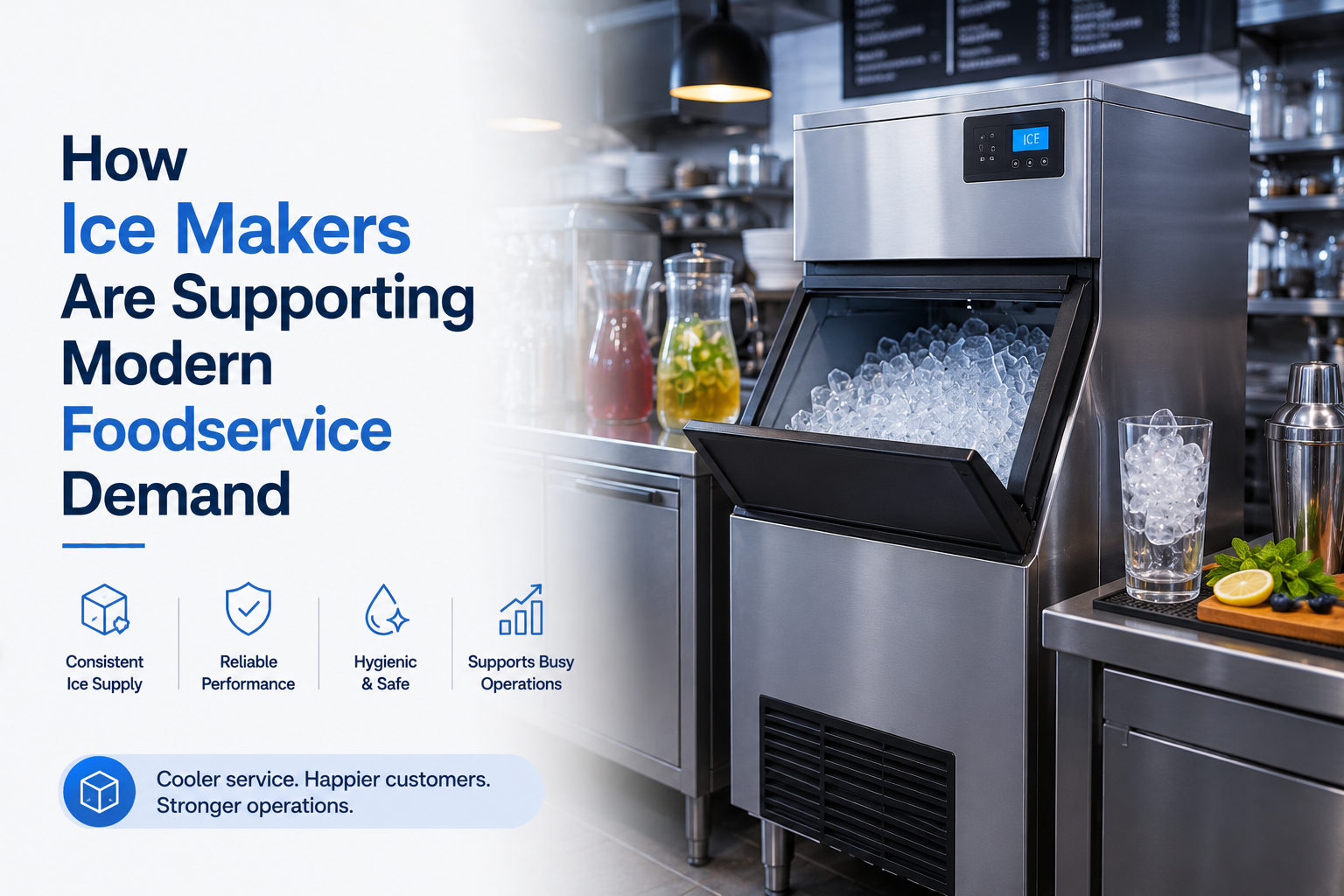
Ice makers have become essential equipment across foodservice, hospitality, healthcare, retail, convenience stores, and commercial kitchens. From chilled beverages and food displays to medical cooling and back-of-house operations, reliable ice production supports hygiene, presentation, customer experience, and temperature control. As restaurants, hotels, cafés, supermarkets, and institutional facilities expand service capacity, ice-making equipment is becoming more closely tied to daily operations.
According to MarkNtel Advisors, the ice production equipment outlook states that the ice maker market was valued at USD 5.12 billion in 2025 and is projected to grow from USD 6.23 billion in 2026 to USD 9.82 billion by 2032. The study estimates a CAGR of around 7.9% during 2026–2032, supported by foodservice expansion, hospitality demand, retail cold display needs, and wider use of commercial refrigeration equipment.
Foodservice Operations Depend on Reliable Ice Supply
Restaurants, cafés, bars, hotels, quick-service outlets, and catering businesses depend on ice for beverages, food preparation, seafood display, buffet service, and ingredient cooling. A steady ice supply helps operators maintain service speed and consistency, especially during peak dining hours, events, and warm-weather periods when beverage demand rises.
Food safety is also part of ice handling. The U.S. Food and Drug Administration’s Food Code guidance treats ice used as food or a cooling medium within food safety procedures, which helps explain why commercial operators need hygienic ice production, clean storage bins, proper scoops, and regular equipment sanitation. Poor handling can turn ice into a contamination risk.
Ice Cube Makers Remain Widely Used
Ice cube makers accounted for around 45% share in 2026, according to the shared study. Cube ice is widely used because it is versatile, slow-melting, easy to serve, and suitable for beverages, restaurants, hotels, offices, healthcare facilities, and retail applications. Its standard shape makes it practical for both customer-facing and operational uses.
Cube ice is especially common in beverage service because it cools drinks effectively without melting too quickly. Foodservice operators also value consistency in cube size, clarity, and production volume. For businesses with high daily demand, machine capacity, storage bin size, water quality, and cleaning requirements all influence equipment selection.
Asia-Pacific Leads Regional Adoption
Asia-Pacific accounted for around 39% share in 2026, making it the leading regional contributor in the shared study. The region’s position is supported by expanding restaurants, hotels, convenience stores, supermarkets, tourism facilities, and urban foodservice businesses across China, India, Japan, South Korea, Southeast Asia, and Australia.
Rising urbanization and higher consumer spending on dining-out experiences are supporting equipment demand across the region. Hotels, cafés, cloud kitchens, seafood retailers, and quick-service restaurants increasingly require dependable ice-making systems. In warmer climates and dense cities, ice makers also help support cold beverages, fresh food displays, and high-volume hospitality operations.
Air-Cooled Systems Are Commonly Preferred
Air-cooled ice makers accounted for nearly 68% share in 2026, according to the report. These systems are commonly preferred because they are easier to install, do not require continuous water flow for condenser cooling, and can be suitable for many commercial kitchens and foodservice environments.
Air-cooled machines use surrounding air to release heat from the refrigeration system. This can reduce water consumption compared with water-cooled alternatives, although performance depends on ventilation, room temperature, and maintenance. Operators need to ensure enough airflow around the equipment because blocked vents or hot kitchen spaces can reduce ice production efficiency.
Energy Efficiency Is Becoming More Important
Ice makers can consume significant electricity and water, especially in facilities that operate them throughout the day. Energy-efficient machines help reduce operating costs while supporting sustainability goals in hotels, restaurants, supermarkets, and institutional kitchens. Equipment buyers increasingly compare energy use, production capacity, water consumption, and lifecycle costs before making purchasing decisions.
The U.S. Environmental Protection Agency’s ENERGY STAR program explains that certified commercial ice machines use less energy and water than standard models, which is relevant as operators seek lower utility costs without reducing ice availability. Efficient equipment can be especially valuable in high-volume locations where machines run continuously.
Hospitality and Tourism Create Seasonal Demand
Hotels, resorts, banquet halls, casinos, cruise services, and event venues require large volumes of ice for beverages, room service, catering, buffet displays, and guest amenities. Demand often rises during holiday seasons, conferences, weddings, and peak tourism periods. This makes machine reliability and storage capacity important for hospitality operators.
In hotels, ice availability can affect guest convenience and foodservice operations at the same time. Restaurants, bars, housekeeping teams, and event departments may all depend on the same ice production system. Larger properties often use multiple machines or centralized production areas to avoid disruptions during busy service periods.
Healthcare and Retail Use Cases Are Expanding
Ice makers are also used in healthcare facilities, laboratories, supermarkets, seafood counters, convenience stores, and cold-chain support areas. Hospitals may use ice for patient care, therapy, specimen handling, and foodservice. Retailers use ice to display seafood, keep beverages chilled, and support ready-to-eat food sections.
These applications require different ice forms and hygiene standards. Flake ice may be useful for seafood display because it molds around products, while cube ice is preferred for beverages. Healthcare and laboratory environments may need stricter cleaning procedures and equipment reliability because ice can be connected with patient comfort or temperature-sensitive operations.
Maintenance Supports Hygiene and Performance
Ice makers require regular cleaning, descaling, filter replacement, and inspection to maintain ice quality and machine efficiency. Mineral buildup, biofilm, clogged filters, and poor airflow can reduce production capacity and affect ice appearance, taste, or safety. Preventive maintenance helps extend equipment life and reduce service interruptions.
Water quality is especially important because ice is directly formed from water. Facilities often use filtration systems to reduce sediment, chlorine taste, scale, and impurities. Regular maintenance also supports better refrigeration performance, lower energy use, and more consistent ice output during peak operating periods.
Outlook for Ice-Making Equipment
Ice maker demand is being shaped by foodservice growth, hospitality expansion, retail cold display needs, energy efficiency, and hygiene requirements. Ice cube makers, air-cooled systems, and Asia-Pacific adoption remain important parts of the sector, while commercial buyers continue to prioritize reliability, capacity, sanitation, and operating cost.
The long-term direction will depend on how manufacturers and users balance production efficiency, water use, energy consumption, maintenance needs, and food safety expectations. As dining, tourism, healthcare, and retail services continue to rely on dependable cooling support, ice makers are likely to remain important equipment across modern commercial environments.
Gebruikersnaam
 Dutch
Dutch
 English
 Arabic
 French
 Spanish
 Portuguese
 Deutsch
 Turkish
 Italiano
 Russian
 Romaian
 Portuguese (Brazil)
 Greek
Greek
