


 Ban & Monetization Policy
 MyLiveRoom Rewards Program Rules & Eligibility
Why Stainless Steel Tubing Remains the First Choice for Industrial Systems
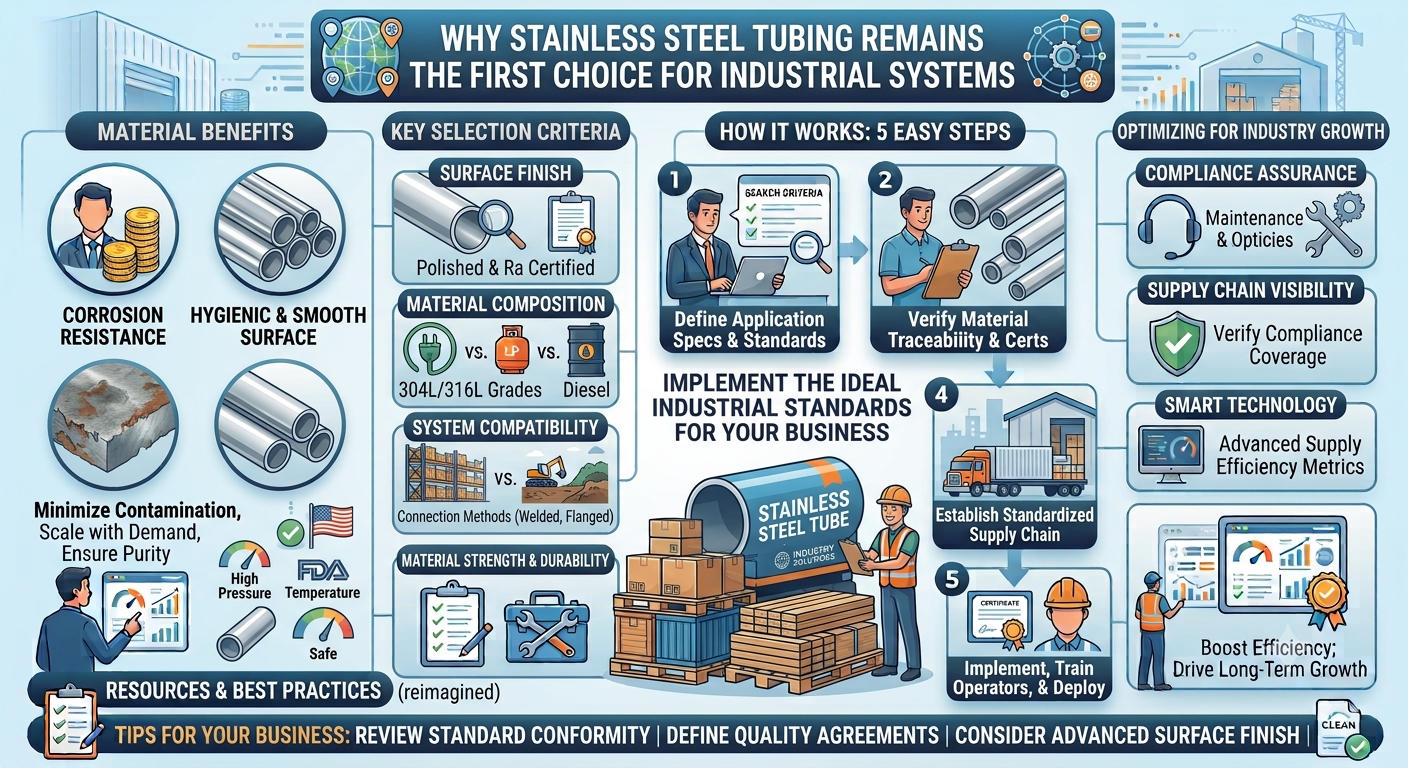
Industrial systems require materials that can withstand demanding operating conditions while delivering reliable performance for years. Whether used in food processing, pharmaceuticals, chemical plants, oil and gas, or water treatment facilities, Stainless Steel Tubing has earned its reputation as the preferred choice for modern piping systems. Its exceptional corrosion resistance, mechanical strength, and long service life make it a dependable solution for transporting liquids, gases, and other process media. Understanding why stainless steel tubing remains the industry standard can help businesses make informed decisions when designing or upgrading their systems.
What Makes Stainless Steel Tubing the Preferred Choice?
Stainless Steel Tubing is widely recognized for its ability to perform in environments where strength, cleanliness, and durability are essential. Unlike many alternative materials, stainless steel resists rust, corrosion, and chemical attack while maintaining its structural integrity under high pressure and temperature conditions.
The two most commonly used grades are 304 and 316 stainless steel. Grade 304 is suitable for general industrial applications because it provides excellent strength and corrosion resistance at an economical cost. Grade 316 contains molybdenum, offering superior resistance to chlorides, chemicals, and harsh environments, making it ideal for marine, pharmaceutical, and chemical processing industries.
According to the American Iron and Steel Institute (AISI), stainless steel contains a minimum of 10.5% chromium, which forms a protective oxide layer that helps prevent corrosion. In addition, the U.S. Department of Energy notes that properly maintained industrial piping systems contribute to improved energy efficiency by reducing leaks and minimizing maintenance-related downtime.
The smooth internal surface of stainless steel tubing also improves fluid flow while reducing product buildup, making it particularly valuable in hygienic processing applications.
Key Benefits of Stainless Steel Tubing
Choosing high-quality Stainless Steel Tubing provides several advantages that improve both operational efficiency and long-term value.
Excellent Corrosion Resistance
Stainless steel performs exceptionally well in environments exposed to moisture, chemicals, and varying temperatures. Its corrosion resistance extends system lifespan while lowering maintenance requirements.
High Strength and Durability
The material retains its mechanical strength under demanding operating conditions, making it suitable for high-pressure and high-temperature industrial systems.
Hygienic Properties
Smooth, non-porous surfaces reduce bacterial growth and product residue, making stainless steel tubing the preferred choice for food processing, beverage production, pharmaceutical manufacturing, and biotechnology applications.
Lower Lifecycle Costs
Although stainless steel may have a higher initial cost than some alternative materials, its durability, low maintenance needs, and long service life often result in lower overall ownership costs.
Industrial maintenance studies indicate that unplanned equipment downtime can cost manufacturers thousands of dollars per hour depending on production volume. Investing in durable piping materials significantly reduces these risks while improving operational reliability.
Applications Across Modern Industries
Stainless Steel Tubing is used across a wide range of industries because of its versatility and dependable performance.
Food and beverage manufacturers rely on stainless steel tubing to transport milk, juices, syrups, edible oils, and other products while maintaining hygienic conditions. Pharmaceutical companies use it in sterile processing systems where contamination control is essential. Chemical processing plants depend on corrosion-resistant tubing to safely handle aggressive chemicals, while water treatment facilities use stainless steel piping for long-term reliability and clean water distribution.
Oil and gas operations also benefit from stainless steel tubing because it performs well under high pressures and harsh environmental conditions. HVAC systems, power generation plants, and industrial cooling systems frequently utilize stainless steel tubing due to its durability and resistance to temperature fluctuations.
According to industry market research, the global stainless steel tubing market continues to grow as industries invest in infrastructure modernization, sustainable manufacturing, and advanced process technologies. This growth reflects the increasing demand for reliable, long-lasting piping solutions.
Routine inspection remains an important part of preventive maintenance. Monitoring tubing for signs of corrosion, mechanical stress, or joint wear helps identify issues early, ensuring uninterrupted production and extending system lifespan.
Conclusion
Stainless Steel Tubing continues to be the first choice for industrial systems because it delivers outstanding corrosion resistance, exceptional strength, hygienic performance, and long-term value. Its versatility makes it suitable for industries ranging from food processing and pharmaceuticals to chemical manufacturing, water treatment, and energy production.
By selecting high-quality stainless steel tubing and maintaining it properly, businesses can improve system reliability, reduce maintenance costs, minimize downtime, and support efficient operations. Investing in durable stainless steel tubing today helps create safer, cleaner, and more dependable industrial systems for years to come.

 English
 French
 Spanish
 Portuguese
 Deutsch
 Turkish
 Dutch
Dutch
 Italiano
 Russian
 Romaian
 Portuguese (Brazil)
 Greek
Greek
