


 Ban & Monetization Policy
 MyLiveRoom Rewards Program Rules & Eligibility
Why Everyone's Suddenly Obsessed With Custom Fountains (And Why Your Garden Deserves One)
I never thought much about fountains until my neighbor put one in. It was nothing fancy at first glance, just a stone bowl with water trickling over the edge, but every time I sat on my porch I found myself listening to it instead of my phone. That's when it clicked for me. A good fountain isn't decoration. It's basically therapy you don't have to pay a copay for.
So let's talk about custom fountains and garden fountains, because honestly there's a lot of bad advice floating around out there, and most of it comes from people trying to sell you the most expensive option instead of the right one.
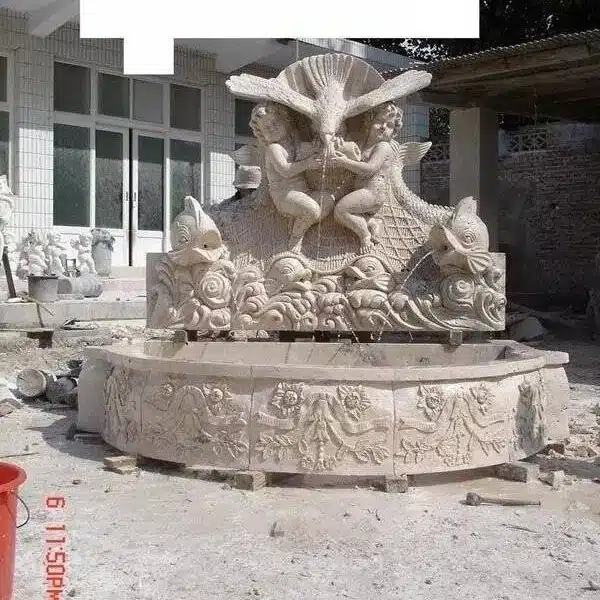
What Actually Makes a Fountain "Custom"
People throw around the word custom like it just means expensive. It doesn't, not really. A custom fountain just means it's built or configured to fit your space, your style, and your budget instead of you cramming your yard around some generic thing you found at a big box store.
Maybe you've got an awkward corner that's too narrow for a standard basin. Maybe you want copper instead of resin because you like how it ages. Or maybe, and this happens more than you'd think, you just want something nobody else on your block has. Custom fountains solve that problem. You're not picking from three sizes and two colors, you're actually designing something that fits your life.
I talked to a guy who does landscape design (friend of a friend, not an ad, promise) and he said the biggest mistake homeowners make is buying a fountain that's too big or too loud for the space. A giant three-tier fountain in a tiny courtyard just sounds like a waterfall crashing through your dinner conversation. Not relaxing. Kind of annoying actually.
Garden Fountains Aren't Just for Big Yards
Here's a myth that needs to die: you don't need acres of land to justify a garden fountain. Some of the best setups I've seen are in tiny backyards, even balconies honestly, where a small tiered fountain tucked next to some potted plants completely changes the vibe of the space.
Garden fountains work because they layer sound into a space that's usually just visual. You plant flowers, sure, that's nice to look at. But add moving water and suddenly the garden has a soundtrack. Birds show up more too, which I did not expect the first time I noticed it, but apparently that's a real thing. Water attracts wildlife, even in the middle of a suburban neighborhood.
And they're not all high maintenance either. A lot of people avoid fountains because they think it's going to be like owning a pool, constant chemicals and cleaning and headaches. Most garden fountains, especially the smaller recirculating ones, just need an occasional rinse and a top-off of water. That's it. Maybe fifteen minutes a month if you're being thorough.
Materials Matter More Than People Think
Okay this part gets a little technical but stick with me because it actually matters for how long your fountain lasts and how much upkeep you're signing up for.
Stone and concrete fountains are heavy, durable, and honestly they look better with age in most cases. They develop this weathered patina that people pay extra for on purpose these days. Copper does something similar, it oxidizes into that green-blue color everyone associates with old European fountains. Resin and fiberglass are lighter, cheaper, and easier to move, but they don't age the same way and can crack in extreme cold if you're not careful.
If you're in a place with real winters, this matters a lot. Water left in a fountain during a freeze can crack the basin, and that's an expensive lesson to learn the hard way. Custom fountains built with your climate in mind can avoid this entirely, which is honestly one of the underrated benefits of going custom instead of grabbing something off a shelf.
Placement Is Half the Battle
You could buy the most beautiful fountain in the world and still hate it if you put it in the wrong spot. Sunlight matters, believe it or not, because too much direct sun speeds up algae growth in the water. Shade helps keep things cleaner, but too much shade and you lose that nice glint of sunlight bouncing off the water, which honestly is half the appeal.
Sound carries too, so if your fountain is right outside a bedroom window, that peaceful trickle at 2pm might turn into a mildly annoying drip at 2am when you're trying to sleep. Not a dealbreaker, just something to think through before you commit to a spot and pour concrete or whatever.
A lot of garden fountains do best somewhere central, a focal point you actually walk past or sit near, not tucked in some forgotten corner where nobody ever looks. Kind of defeats the purpose otherwise.
Budget Reality Check
Let's not pretend money isn't part of this conversation. Custom fountains can range wildly, from a few hundred bucks for a small tiered piece to thousands for a large stone installation with proper plumbing and lighting. Garden fountains on the smaller end are usually more forgiving on the wallet, and honestly for most backyards, bigger isn't always better anyway.
What I'd say is this: figure out your space first, then your style, then let budget narrow things down. Going backwards, picking a price point first, usually leads to buyer's remorse because you end up compromising on size or materials in ways that bug you every single day you look at it.
Final Thoughts
Look, I'm not going to pretend a fountain fixes everything. It won't. But there's something genuinely nice about stepping outside and hearing water instead of traffic, or sitting near your garden with a little bit of movement and sound instead of dead silence. Custom fountains and garden fountains both scratch that itch, just in slightly different ways depending on what your space actually needs.
If you're ready to actually look at options instead of just daydreaming about it, head over to fountains and start browsing. Worst case, you window shop for twenty minutes. Best case, your backyard sounds a whole lot better by next weekend.
FAQs
1. How much does a custom fountain typically cost?
It really depends on size and material. Small garden fountains can start under a few hundred dollars, while larger custom stone or copper installations can run into the thousands. Get a quote based on your actual space instead of guessing off general price lists online.
2. Do garden fountains need electricity to run?
Most do, since the pump needs power to recirculate the water. Some smaller solar-powered options exist too, which are great if you don't want to run a cord across your yard.
3. Will a fountain attract mosquitoes?
Actually the opposite, mostly. Moving water discourages mosquitoes from breeding since they need still water to lay eggs. Stagnant birdbaths are more of a mosquito magnet than a running fountain.
4. Can I install a custom fountain myself, or do I need a professional?
Smaller garden fountains are usually DIY-friendly, just plug and go. Larger custom installations with plumbing or electrical work are best left to a pro, especially if you're dealing with concrete bases or in-ground setups.
 Romaian
 English
 Arabic
 French
 Spanish
 Portuguese
 Deutsch
 Turkish
 Dutch
Dutch
 Italiano
 Russian
 Portuguese (Brazil)
 Greek
Greek
