


 Ban & Monetization Policy
 MyLiveRoom Rewards Program Rules & Eligibility
Utility Kilts on the Job: Are They Practical for Tradespeople?
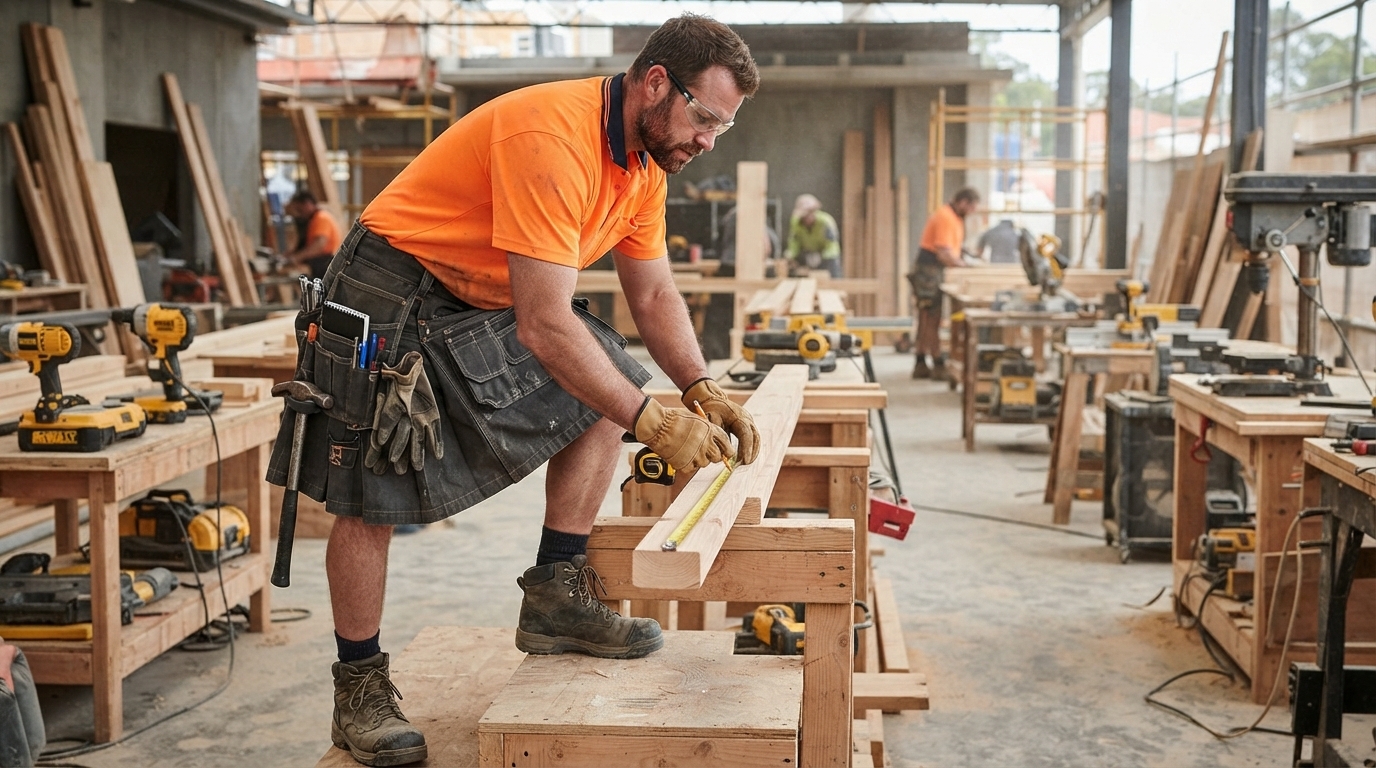
Welders, brewers, and blacksmiths have quietly worn kilts on the job for years, mostly for the airflow near heat sources. Now the trend is spreading to general construction and landscaping crews looking for the same relief from pants in hot weather.
Which Trades Are Actually Wearing Them
Heat-exposed trades adopted the kilt first, since standing near a forge or a brewing kettle in tight pants gets uncomfortable fast. Landscapers and general laborers followed, drawn by the freedom of movement during repetitive bending and lifting.
Adoption is still niche rather than mainstream, and most tradespeople who switch do so gradually, keeping pants on hand for jobs that call for more leg coverage.
What Makes a Utility Kilt Work-Ready
A job-ready Utility kilt Men’s uses heavy cotton drill, reinforced seams at stress points, and belt loops sized for a real work belt, not a decorative one.
Pocket placement should hold small tools without shifting during movement, and stitching at the pleats needs to withstand repeated crouching and bending without pulling apart.
Color matters more than it seems. Darker, solid tones hide dirt and stains better than lighter fabrics, which matters on a site where the kilt gets worn daily.
Safety Considerations Before You Switch
Exposed legs are the clear tradeoff. Jobs involving sparks, hot debris, chemical splash, or dense brush call for pants, and no kilt design changes that. Some tradespeople wear the kilt over compression leggings for a partial compromise, though that reduces the airflow benefit.
Steel-toe boots and proper socks still apply regardless of what covers the thigh, and a kilt does not replace any required personal protective equipment for the task.
Anyone considering the switch should check with a supervisor first, since site-specific safety rules vary and some job sites simply do not allow it regardless of the garment's practicality.
What Employers and Job Sites Need to Know
A utility kilt is not inherently less safe than pants for tasks without spark, chemical, or brush exposure. The concern for most employers is less about the garment itself and more about unfamiliarity and uneven dress code enforcement across a crew.
Clear, written guidance on which tasks require full leg coverage removes most of the ambiguity and lets workers make an informed choice for lower-risk tasks.
Is It Worth Trying?
For dry, non-hazardous outdoor work in hot climates, a utility kilt offers a real comfort advantage over pants. For tasks involving sparks, chemicals, or heavy brush, pants remain the safer standard, and no amount of comfort should override that.
Frequently Asked Questions
Are utility kilts allowed on most construction sites?
It depends on the site's specific safety policy. Tasks without spark, chemical, or brush exposure are more likely to permit them, but workers should confirm with a supervisor first.
What fabric holds up best for a work utility kilt?
Heavy cotton drill, typically 13 to 16 ounces, resists abrasion and holds up to daily wear and washing better than lighter fabrics.
Do utility kilts have enough pockets for job site tools?
Most work-focused utility kilts include two to four reinforced pockets, enough for small hand tools, a phone, and fasteners, though larger tools still need a separate tool belt.
 Italiano
 English
 Arabic
 French
 Spanish
 Portuguese
 Deutsch
 Turkish
 Dutch
Dutch
 Russian
 Romaian
 Portuguese (Brazil)
 Greek
Greek
