


 Ban & Monetization Policy
 MyLiveRoom Rewards Program Rules & Eligibility
Heat Pump Explained: Why This Energy-Efficient System Is Gaining Popularity
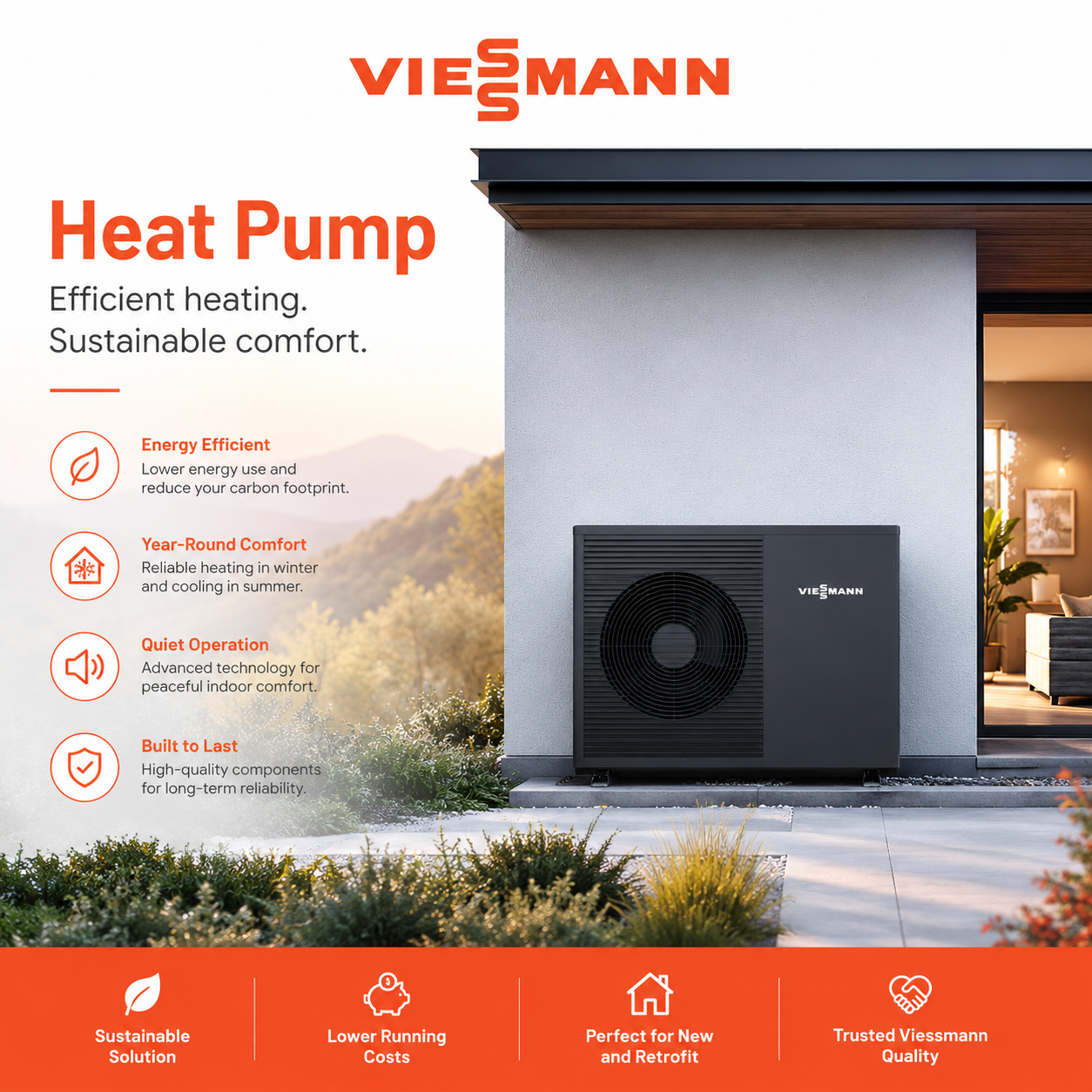
The Heat pump has become an important part of modern heating and cooling because it delivers year-round comfort while using energy more efficiently than many traditional systems. Rather than producing heat directly, it transfers heat from one environment to another, reducing energy consumption and supporting sustainable building practices.
As more people seek environmentally friendly ways to heat and cool their homes, understanding heat pump technology has become increasingly valuable.
Why More Homes and Buildings Are Using Heat Pump Systems
Heat pumps use a refrigeration cycle to move heat instead of creating it through combustion. During winter, they capture heat from outdoor air or the ground and transfer it inside. During summer, they remove indoor heat to provide cooling.
This dual functionality makes a single system suitable for all seasons while reducing the need for separate heating and air conditioning equipment.
Advantages of Heat Pump Technology
-
Delivers heating and cooling in one unit.
-
Improves overall energy efficiency.
-
Helps reduce household carbon footprints.
-
Provides consistent indoor temperatures.
-
Requires routine but relatively simple maintenance.
These benefits have contributed to the growing adoption of heat pumps across residential and commercial applications.
Different Heat Pump Options
Choosing the right system depends on several practical factors.
-
Air Source Heat Pumps work well for many residential properties.
-
Ground Source Heat Pumps offer excellent efficiency by using stable underground temperatures.
-
Water Source Heat Pumps are suitable where an appropriate water source is available.
-
Ductless Mini-Split Heat Pumps provide flexible installation for individual rooms or smaller spaces.
Understanding these options helps property owners identify the most suitable solution for their specific needs.
What Improves Heat Pump Efficiency?
A heat pump performs best when installed correctly and paired with a well-insulated building. Factors such as outdoor climate, thermostat settings, airflow, and regular servicing all contribute to efficient operation.
Cleaning filters, checking refrigerant levels, and scheduling professional inspections help maintain long-term performance while reducing unnecessary energy consumption.
Leading manufacturers including Viessmann continue to improve heat pump technology through innovations that enhance reliability and operational efficiency.
The Future of Sustainable Heating
As countries work toward reducing carbon emissions, heat pumps are becoming an important component of energy-efficient construction. Their ability to work alongside renewable energy sources such as solar electricity further strengthens their role in sustainable building design.
Many homeowners are exploring heat pumps not only for potential energy savings but also because they align with long-term environmental goals.
Conclusion
The Heat pump represents a modern approach to heating and cooling by delivering efficient performance, lower energy consumption, and year-round comfort. Understanding how different systems work and the factors that influence their efficiency helps property owners make informed decisions for future energy needs. With continued innovation from companies such as Viessmann, the Heat pump is expected to remain a key technology in sustainable climate control.
For more info:
Website : https://www.Viessmann.ae/
Contact Us: +971 (4) 372 42 40
Address: Dubai Silicon Oasis Building, E-Wing Office No. 605 Dubai, United Arab Emirates
Linkedin : https://www.linkedin.com/company/Viessmannclimatesolutions
Youtube : https://www.youtube.com/@ViessmannClimateSolutionsMEA
 French
 English
 Arabic
 Spanish
 Portuguese
 Deutsch
 Turkish
 Dutch
Dutch
 Italiano
 Russian
 Romaian
 Portuguese (Brazil)
 Greek
Greek
