


 Ban & Monetization Policy
 MyLiveRoom Rewards Program Rules & Eligibility
Concrete Cracks Explained: When to Repair and When to Replace
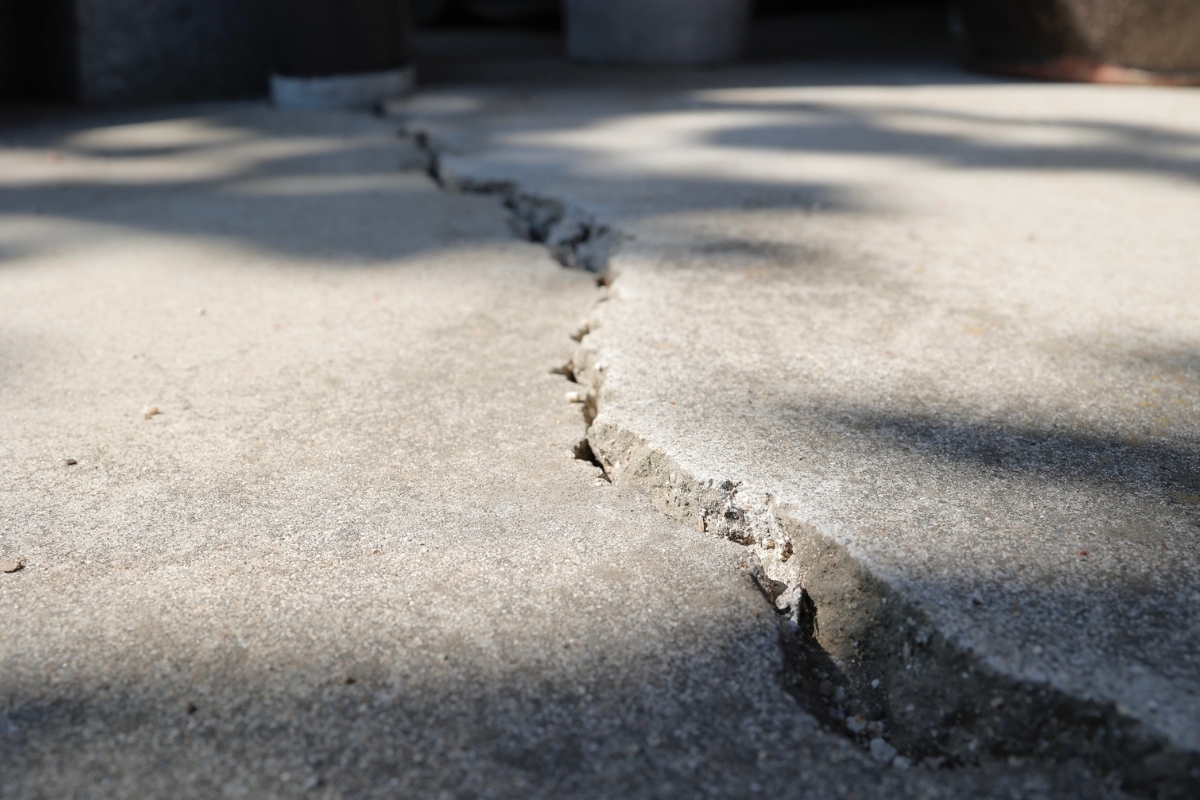
Concrete is one of the most widely used construction materials across Australia due to its durability, strength, and long service life. From residential driveways and footpaths to commercial floors, patios, retaining walls, and industrial surfaces, concrete plays an essential role in creating safe and reliable structures. However, despite its impressive durability, concrete is not immune to damage. Over time, changing weather conditions, moisture, heavy traffic, ground movement, and natural ageing can all contribute to the development of cracks. While some cracks are only cosmetic, others may indicate deeper structural concerns that require immediate attention.
Understanding the difference between minor surface cracks and serious structural damage is essential for property owners. Ignoring concrete cracks can lead to increased repair costs, reduced property value, and potential safety hazards. Knowing when a crack can be repaired and when complete replacement is the better solution helps protect your investment and ensures long-term performance. This guide explains the common causes of concrete cracks, the types of damage you may encounter, and how to determine whether repair or replacement is the right approach for your property.
Why Does Concrete Crack?
Concrete naturally experiences stress throughout its lifespan. Even professionally installed concrete can develop cracks under certain conditions. Identifying the cause of the cracking is the first step towards choosing the most suitable solution.
One of the most common reasons is shrinkage during the curing process. As concrete dries and hardens, moisture evaporates, causing slight shrinkage. Small hairline cracks may appear during this stage and are often considered normal.
Temperature fluctuations are another contributing factor. Australia's climate exposes concrete to hot summers, cooler winters, and sudden temperature changes. Expansion during heat and contraction during cooler periods create internal stress that can eventually result in visible cracks.
Ground movement also plays a significant role. Soil naturally expands when wet and contracts when dry. This continuous movement places pressure on concrete slabs and foundations, increasing the likelihood of cracking over time.
Heavy vehicle loads, poor drainage, tree root growth, inadequate reinforcement, and improper installation methods may further accelerate deterioration, leading to larger and more serious damage.
Understanding Different Types of Concrete Cracks
Not every crack requires the same treatment. The location, width, depth, and pattern all provide clues about the severity of the issue.
Hairline Cracks
Hairline cracks are narrow surface fractures that generally develop during curing. They rarely affect structural strength and are primarily cosmetic. However, they should still be monitored because moisture penetration can gradually enlarge them.
Settlement Cracks
Settlement cracks occur when the soil beneath the concrete shifts or compacts unevenly. These cracks often appear wider and may cause sections of the slab to become uneven.
Expansion Cracks
Concrete expands and contracts naturally. Without sufficient expansion joints, pressure builds up and eventually creates cracking along stress points.
Structural Cracks
Structural cracks are generally wider, deeper, and more concerning. They may extend through the full depth of the slab or appear alongside noticeable movement, sinking, or displacement. These cracks usually require professional assessment before repairs begin.
Surface Scaling and Cracking
Repeated exposure to moisture, chemicals, and weather can weaken the top layer of concrete. This may cause flaking, scaling, and shallow cracking across the surface.
Signs That Concrete Can Be Repaired
Many concrete surfaces can be restored successfully without requiring complete replacement. Early intervention often prevents damage from spreading further.
If the crack is relatively narrow and there is no noticeable movement between the two sides, repair is usually a practical option. Cosmetic cracks that do not compromise structural integrity can often be sealed effectively to prevent water infiltration.
Minor settlement issues without significant displacement can also be repaired after addressing the underlying cause. Surface deterioration limited to the top layer typically responds well to patching and resurfacing techniques.
Professional inspection is important because the visible crack may not reveal the full extent of the underlying damage. Experienced teams providing concrete repair Sydney services assess both the surface condition and the structural stability before recommending an appropriate repair strategy.
Common Concrete Repair Methods
The repair method depends entirely on the cause and severity of the damage.
Crack Filling
Small cracks can be filled using specialised repair materials that restore appearance while preventing moisture from entering the concrete. Proper preparation ensures strong adhesion and long-lasting performance.
Epoxy Injection
For structural cracks, epoxy injection may be used to bond separated sections together. This technique restores strength while limiting further movement.
Polyurethane Injection
Where water penetration is a concern, flexible polyurethane materials help seal active cracks while allowing slight movement caused by temperature changes.
Surface Resurfacing
When widespread surface damage affects appearance but the underlying concrete remains sound, resurfacing creates a fresh, durable finish without removing the existing slab.
Joint Repairs
Expansion joints naturally wear over time. Replacing damaged joint materials helps maintain flexibility while preventing water intrusion.
Reliable concrete crack repair Sydney solutions always begin with identifying the underlying cause rather than simply filling visible cracks.
When Concrete Should Be Replaced
Repair is not always the most cost-effective or safest option. In some situations, replacement provides better long-term value.
Concrete may require replacement when multiple structural cracks appear across large sections. Extensive deterioration usually indicates deeper problems that repairs alone cannot solve.
Significant sinking or uneven settlement often signals serious foundation movement. If the slab has shifted substantially, replacing the affected area may restore proper stability.
Concrete with severe reinforcement corrosion may also require replacement. As steel reinforcement rusts, it expands and causes internal cracking, weakening the structure.
Large sections experiencing repeated cracking despite previous repairs suggest that the underlying issues remain unresolved. Continuing to repair the same area repeatedly often becomes more expensive than installing new concrete.
Concrete nearing the end of its expected lifespan may also benefit from replacement, particularly when deterioration affects safety, drainage, and functionality.
Factors That Influence the Decision
Choosing between repair and replacement requires evaluating several important factors rather than focusing solely on the visible damage.
Age of the Concrete
Older concrete naturally experiences greater wear. While age alone does not determine replacement, it influences the expected lifespan after repairs.
Severity of Damage
Small isolated cracks are usually repairable, whereas widespread structural deterioration often points towards replacement.
Cause of Cracking
Repairing visible cracks without addressing the original cause often results in recurring damage. Drainage improvements, soil stabilisation, or joint corrections may be necessary before repairs begin.
Safety Considerations
Trip hazards, uneven surfaces, and structural instability should always receive immediate attention to minimise risks for occupants and visitors.
Long-Term Cost
Although repairs generally involve lower upfront costs, repeated maintenance over several years may exceed the cost of replacement. Considering long-term value helps property owners make informed decisions.
The Importance of Early Repairs
Many property owners delay repairs because the cracks initially appear minor. Unfortunately, even small openings allow water, dirt, and contaminants to penetrate the concrete.
Moisture entering the cracks can accelerate deterioration through repeated expansion and contraction during seasonal weather changes. Water may also reach steel reinforcement, causing corrosion that weakens the structure from within.
Prompt repairs reduce future maintenance costs while extending the lifespan of existing concrete. Addressing problems early also preserves appearance and improves overall safety.
Professional Concrete Repair Specialists Sydney understand how to identify early warning signs before they develop into major structural concerns.
Preventing Future Concrete Cracks
Although some cracking is unavoidable, proper maintenance significantly reduces the likelihood of serious damage.
Maintaining effective drainage prevents excessive moisture from accumulating beneath concrete slabs. Redirecting rainwater away from foundations reduces soil movement and settlement.
Regular inspections allow property owners to identify early cracks before they expand. Small repairs completed promptly are generally simpler and less expensive.
Avoid placing loads beyond the designed capacity of the concrete surface. Heavy machinery or oversized vehicles can accelerate deterioration.
Keeping expansion joints clean and functional allows concrete to move naturally during temperature changes without excessive stress.
Sealing exposed concrete surfaces helps reduce moisture absorption while protecting against environmental wear.
Routine maintenance extends service life and reduces the need for major repairs in the future.
Residential Applications
Concrete is commonly found throughout Australian homes. Driveways, pathways, patios, pool surrounds, garage floors, and outdoor entertaining areas all rely on durable concrete surfaces.
Residential cracks often result from natural settlement, weather exposure, vehicle traffic, or ageing. Addressing these issues promptly preserves kerb appeal while reducing future maintenance costs.
Minor repairs completed early can significantly extend the lifespan of residential concrete and prevent larger structural issues from developing.
Commercial and Industrial Properties
Commercial buildings place greater demands on concrete surfaces due to higher traffic volumes and heavier equipment.
Warehouse floors, loading areas, car parks, and pedestrian walkways require regular inspection to maintain safety and operational efficiency.
Businesses benefit from planned maintenance programmes that identify developing issues before they interrupt operations or create safety hazards.
Professional assessment ensures repairs are matched to the level of structural demand, helping maintain reliable long-term performance.
Why Professional Assessment Matters
Every concrete crack tells a different story. While some indicate harmless shrinkage, others may reveal hidden structural movement beneath the surface.
Professional inspections evaluate crack width, depth, movement, drainage conditions, reinforcement condition, and foundation stability before recommending repair or replacement.
Choosing experienced professionals reduces the risk of temporary fixes that fail to solve the underlying problem. Accurate diagnosis leads to more durable solutions and better long-term value for homeowners, businesses, and property managers.
Whether the issue involves minor cosmetic cracking or more complex structural deterioration, expert advice ensures the most appropriate treatment is selected for the specific condition of the concrete.
Conclusion
Concrete cracks should never be ignored, regardless of their size. While many cracks can be repaired successfully, others may indicate more serious structural issues that require replacement. Understanding the causes, recognising warning signs, and acting early can help protect your property, improve safety, and reduce long-term maintenance expenses. Every situation is unique, making professional assessment an important step before deciding on the best course of action.
If you are looking for dependable solutions for concrete repair in Sydney, experienced concrete repair specialists in Sydney, or professional concrete crack repair in Sydney, visit The Australian Caulking Company to learn more about expert concrete repair services tailored for residential and commercial properties across Australia.
 Spanish
 English
 Arabic
 French
 Portuguese
 Deutsch
 Turkish
 Dutch
Dutch
 Italiano
 Russian
 Romaian
 Portuguese (Brazil)
 Greek
Greek
