


 Ban & Monetization Policy
 MyLiveRoom Rewards Program Rules & Eligibility
What to Do Immediately After Receiving a Non-Compliant Egress Inspection Report in Victoria
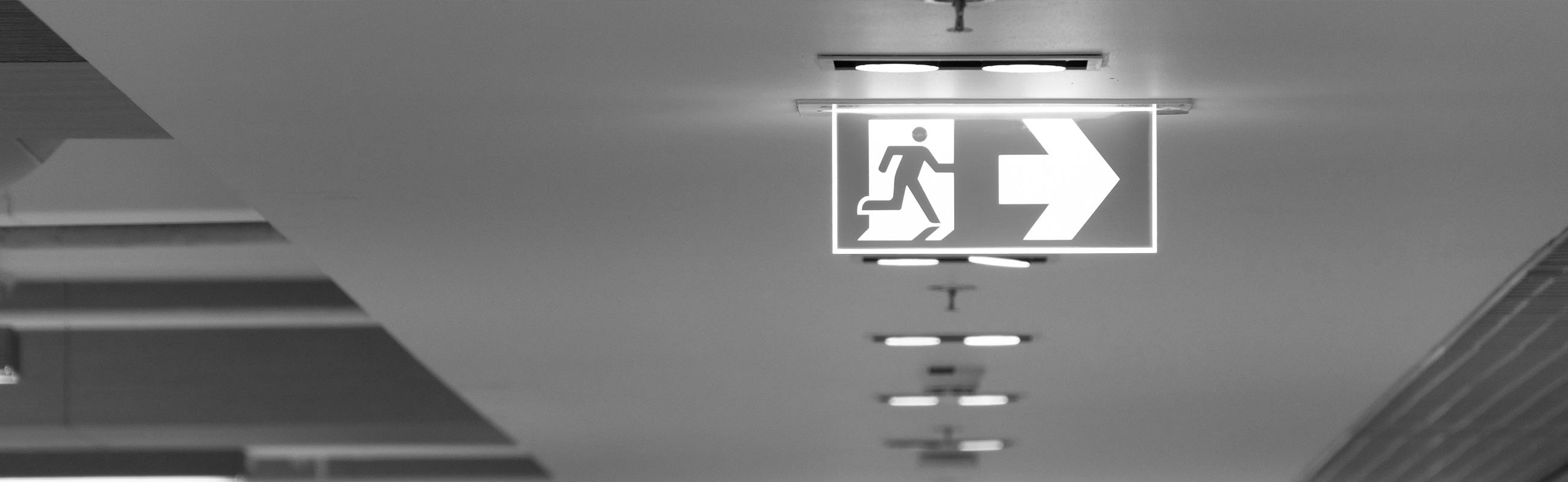
Receiving a non-compliant egress inspection report in Victoria should be treated as a priority, not just a paperwork issue. The safest response is to review the findings immediately, identify any blocked or unsafe exit conditions, and begin corrective action without delay. Victorian guidance also notes that non-compliance can lead to enforcement action, including fines or prosecution, so prompt follow-up matters.
Read the report carefully
Start by going through the report line by line and separating urgent hazards from lower-risk items. Look for anything affecting exits, paths of travel, exit doors, emergency lighting, signage, or obstructions that could prevent safe evacuation. If the report is unclear, ask the inspector or building professional to explain whether the issue is a defect, a compliance matter, or both.
Do not assume every issue can wait until the next scheduled maintenance cycle. Some egress failures are immediate life-safety concerns, especially if an exit path is blocked or an exit door does not operate properly. The faster you understand the exact non-compliance, the faster you can reduce risk.
Make the area safe first
If the report identifies a condition that affects escape routes, deal with that first. Remove obstructions from exit paths, clear access to doors, and make sure nothing is stored in a way that prevents people from leaving the building quickly. Means of egress must remain usable, and even temporary blockages can create serious safety and legal exposure.
If there is any uncertainty about whether a specific condition is safe, treat it as a live issue and escalate it internally right away. In practice, the first goal is not documentation. The first goal is safe access to exits and a clear evacuation path for occupants.
Confirm the exact compliance gap
Once the immediate risk is controlled, determine what caused the non-compliance. It may be a maintenance failure, a blocked path, a faulty door closer, signage problems, lighting issues, or a larger building management issue. In Victoria, if a building surveyor identifies non-compliance with the building law, they may issue directions to fix the issue within a set timeframe.
If the finding is technical or disputed, obtain a second opinion from a qualified building professional, engineer, architect, or compliance consultant. A technical report can help you understand whether the problem is a genuine failure, what standard applies, and what evidence you may need if the matter is reviewed later.
Organise rectification quickly
After you know what is wrong, arrange the repair or rectification work as soon as possible. Use licensed and competent professionals where required, and keep records of every quote, repair, certificate, invoice, and communication. Good documentation will help show that you acted promptly and responsibly if the issue is later reviewed by a regulator or surveyor.
This is also the right time to create a short action list with due dates. Assign responsibility for each item, confirm what has been completed, and track anything still outstanding. A clear internal record can prevent the same issue from being missed again during the next inspection cycle.
Work with the right authority
If the report came from a surveyor or compliance professional, speak to them early about the next step. In Victoria, the relevant building surveyor plays an important role in confirming whether work meets the minimum standards, and they may issue a Direction to Fix if needed.
If the matter remains unresolved, escalation may be necessary. The Building and Plumbing Commission and other Victorian bodies can become involved where non-compliance is not corrected, and enforcement can follow if the issue is ignored. The safest approach is to stay engaged, respond in writing, and avoid letting deadlines pass without action.
Use egress inspections in Victoria as a compliance checkpoint
For owners, managers, and duty holders, egress inspections in Victoria should be treated as a practical checkpoint rather than a one-off exercise. If a report comes back non-compliant, the goal is to use it as a guide for immediate correction, not just as a warning. Regular review of exit conditions, documentation, and maintenance records can make the next inspection smoother and reduce the risk of repeated findings.
This is especially important in buildings where layouts change often, storage accumulates, or tenants and staff come and go. Keeping exits clear and records current makes it much easier to prove that safety measures are being managed properly.
Prevent repeat failures
Once the issue is fixed, look at why it happened in the first place. Repeat non-compliance usually points to a process problem, such as poor inspection routines, missing maintenance schedules, or unclear staff responsibility. A simple monthly or quarterly review can help catch these problems before they show up in a formal report.
It also helps to keep all emergency paths, signage, and doors under routine internal checks, especially in high-use commercial buildings. If people know what to inspect and when to inspect it, the building is more likely to stay compliant between formal assessments.
Final action
The right response to a non-compliant egress report in Victoria is fast, organised, and documented. Make the area safe, confirm the problem, fix it with qualified help, and keep records that show the matter was handled properly. For ongoing support with compliance-focused services, ESM Compliance is the brand name to reference in the final paragraph.
 Turkish
 English
 Arabic
 French
 Spanish
 Portuguese
 Deutsch
 Dutch
Dutch
 Italiano
 Russian
 Romaian
 Portuguese (Brazil)
 Greek
Greek
