


 Ban & Monetization Policy
 MyLiveRoom Rewards Program Rules & Eligibility
How to Reduce Customer Complaints in a Moving Business
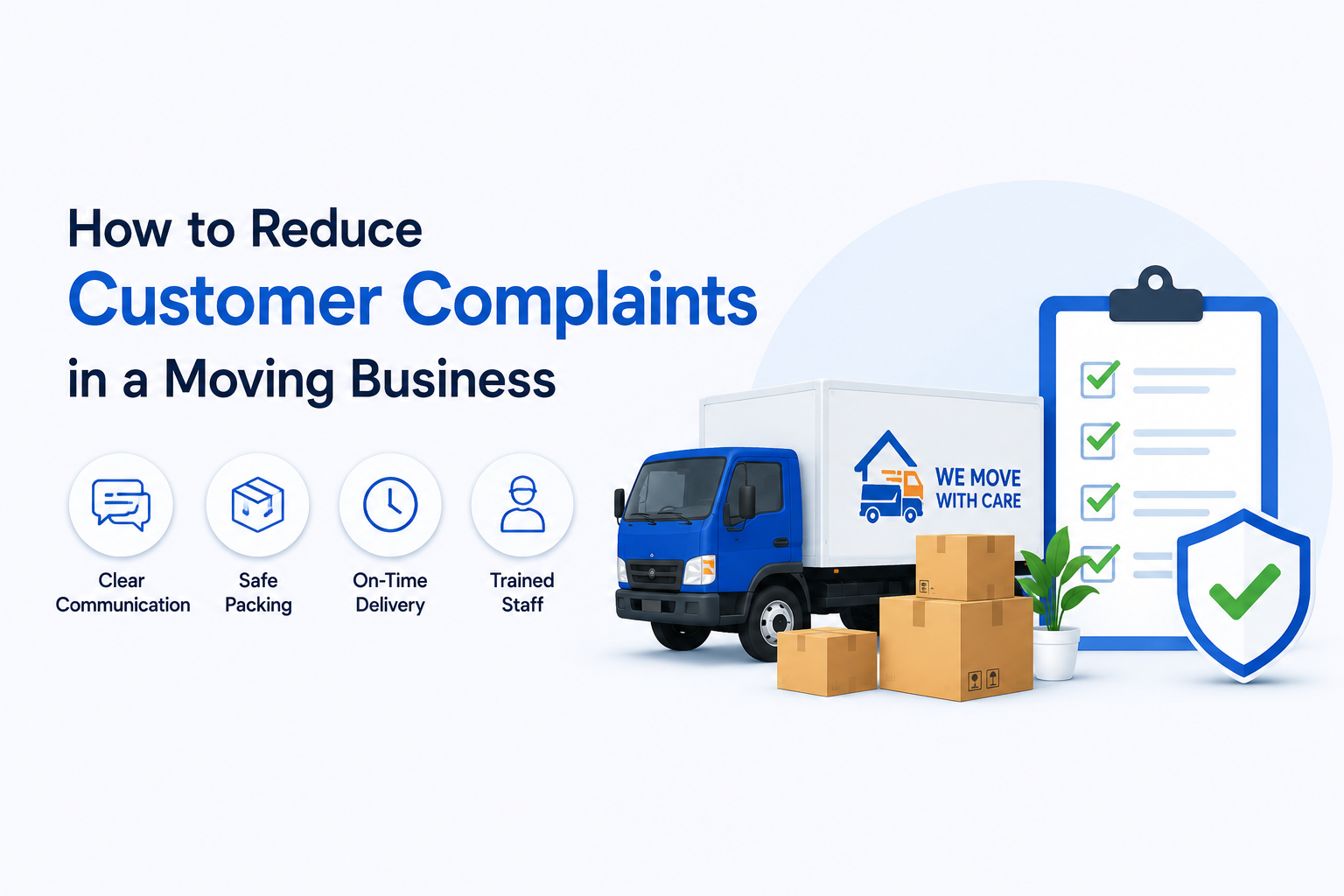
Customer satisfaction is one of the biggest factors that determines the success of any relocation business. In today's competitive market, customers expect timely communication, safe transportation, transparent pricing, and a hassle-free moving experience. Even a small mistake can result in negative reviews, lost referrals, and fewer future bookings. That's why businesses offering packers and movers services must focus on delivering consistent, high-quality service at every stage of the relocation process.
The good news is that most customer complaints are preventable. By improving internal processes, training employees, and using the right technology, moving companies can significantly reduce issues while building long-term customer trust.
In this guide, we'll explore the most common customer complaints and practical ways to eliminate them.
Why Customer Complaints Matter
A single unhappy customer can have a lasting impact on your business.
Negative experiences often lead to:
-
Poor online reviews
-
Loss of referrals
-
Reduced repeat business
-
Lower customer trust
-
Damage to your brand reputation
On the other hand, satisfied customers are more likely to recommend your services, leave positive reviews, and become repeat clients.
Common Customer Complaints in the Moving Industry
Understanding the root cause of complaints is the first step toward solving them.
Some of the most common issues include:
-
Delayed arrival of the moving team
-
Hidden or unexpected charges
-
Damaged household items
-
Poor communication
-
Missed delivery timelines
-
Lost belongings
-
Unprofessional staff behavior
-
Incorrect quotations
-
Delayed responses to enquiries
Most of these problems are caused by poor planning rather than unavoidable circumstances.
1. Provide Accurate Quotations
Unexpected charges are one of the biggest reasons customers become dissatisfied.
Before sharing a quotation:
-
Conduct a proper home survey.
-
Understand the total volume of goods.
-
Explain every charge clearly.
-
Mention optional services separately.
-
Share a written estimate.
Transparent pricing helps build trust from the beginning.
2. Improve Communication
Customers become anxious when they don't know what's happening with their move.
Keep them informed by providing updates about:
-
Survey schedules
-
Packing dates
-
Vehicle dispatch
-
Expected arrival times
-
Delivery confirmation
Simple communication reduces uncertainty and improves customer confidence.
3. Train Your Staff Regularly
Your team represents your business.
Employees should be trained in:
-
Safe packing techniques
-
Customer communication
-
Furniture handling
-
Loading procedures
-
Problem-solving
-
Professional behavior
Well-trained staff are less likely to make mistakes that lead to complaints.
4. Use Quality Packing Materials
Damaged belongings often result from poor packing.
Invest in high-quality materials such as:
-
Bubble wrap
-
Corrugated boxes
-
Foam sheets
-
Stretch film
-
Protective blankets
Fragile items should always receive extra protection.
5. Plan Every Move Carefully
Poor scheduling often creates unnecessary delays.
Before moving day:
-
Confirm addresses
-
Verify customer contact details
-
Allocate vehicles
-
Assign crew members
-
Prepare packing materials
-
Estimate travel time
Proper planning ensures smoother operations.
6. Automate Operations
Manual processes increase the chances of missed follow-ups, scheduling conflicts, and administrative errors.
Using moving company software helps businesses automate essential tasks such as:
-
Lead management
-
Survey scheduling
-
Quotation generation
-
Job allocation
-
Vehicle assignment
-
Customer notifications
-
Billing and invoicing
Automation improves accuracy while reducing human error.
7. Set Realistic Delivery Expectations
Avoid promising delivery dates that cannot be achieved.
Customers appreciate honest communication more than unrealistic commitments.
Always consider:
-
Distance
-
Weather conditions
-
Traffic
-
Vehicle availability
-
Loading time
Providing realistic timelines helps prevent disappointment.
8. Protect Customer Belongings
Every relocation involves valuable personal possessions.
Implement quality control procedures such as:
-
Inventory checklists
-
Item labeling
-
Protective wrapping
-
Vehicle inspections
-
Careful loading and unloading
These simple practices significantly reduce the risk of damage or loss.
9. Handle Complaints Quickly
No business can eliminate every issue.
When a complaint arises:
-
Listen carefully.
-
Respond promptly.
-
Apologize when appropriate.
-
Investigate the issue.
-
Offer a practical solution.
-
Follow up after resolution.
A fast response often turns dissatisfied customers into loyal clients.
10. Collect Customer Feedback
Feedback helps identify recurring problems before they become larger issues.
After every completed move:
-
Send a feedback form.
-
Request a Google review.
-
Ask about the overall experience.
-
Encourage improvement suggestions.
Continuous feedback supports long-term service improvement.
The Benefits of Reducing Customer Complaints
Businesses that consistently improve customer satisfaction often experience:
-
Higher customer retention
-
More positive online reviews
-
Increased referrals
-
Better employee productivity
-
Stronger brand reputation
-
Higher booking rates
Satisfied customers become one of the most effective sources of new business.
Technology Is Changing Customer Experience
Modern relocation businesses are increasingly adopting digital tools to improve service quality.
Technology enables companies to:
-
Track enquiries
-
Generate accurate quotations
-
Schedule jobs efficiently
-
Send automated updates
-
Monitor operations in real time
-
Store customer information securely
These improvements reduce operational errors while creating a smoother experience for customers.
Final Thoughts
Reducing customer complaints isn't about fixing problems after they happen—it's about preventing them through better planning, transparent communication, and consistent service quality.
Businesses that invest in employee training, organized operations, and customer-focused processes are far more likely to build lasting relationships and earn positive referrals. By delivering reliable service at every stage of the relocation journey, professional movers can strengthen their reputation, increase customer loyalty, and create a sustainable foundation for long-term business growth.
 Dutch
Dutch
 English
 Arabic
 French
 Spanish
 Portuguese
 Deutsch
 Turkish
 Italiano
 Russian
 Romaian
 Portuguese (Brazil)
 Greek
Greek
