


 Ban & Monetization Policy
 MyLiveRoom Rewards Program Rules & Eligibility
How High-Purity Oxalic Acid Elevates Production Efficiency in Metal Treatment & Textile Finishing
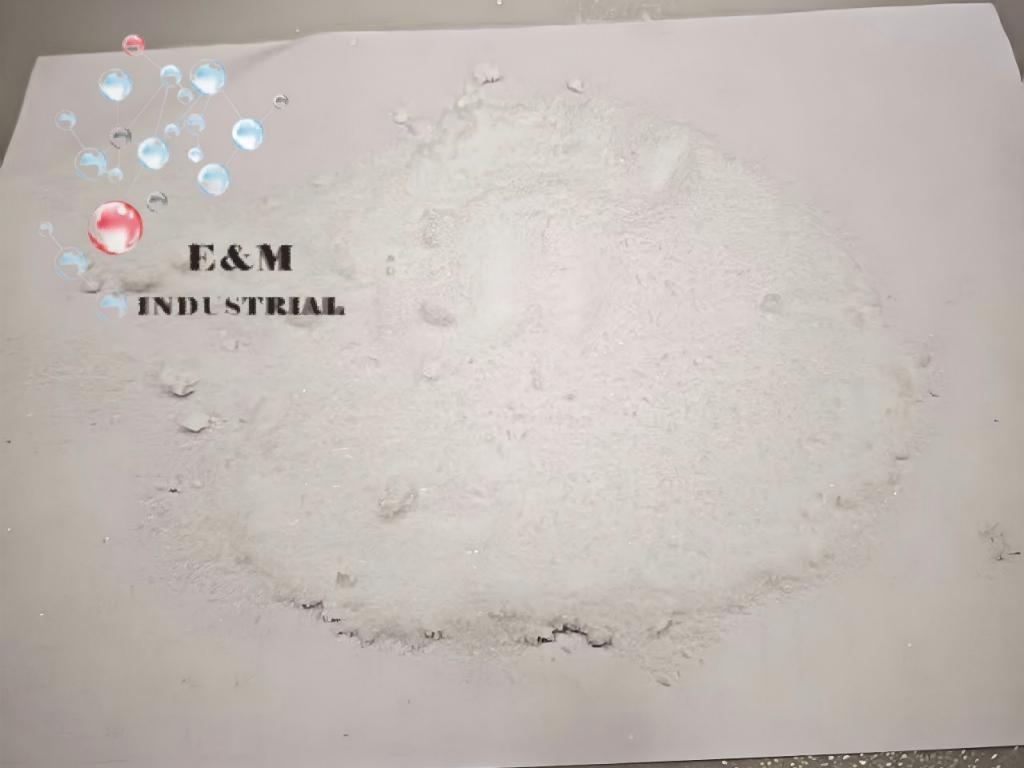
If you walk through metal plating workshops, textile dyeing factories, leather finishing plants and chemical synthesis labs, one white crystalline chemical keeps showing up as a core processing material: industrial grade oxalic acid. With CAS number 6153-56-6, molecular formula H₂C₂O₄ and a guaranteed assay of no less than 99.7%, this water-soluble organic acid stands out for its triple core advantages: outstanding cleaning capacity, strong reducing activity and superior metal chelating performance. For industrial buyers and production managers, understanding its full application spectrum helps optimize production workflows and cut processing costs.
Physically, oxalic acid appears as uniform white crystals with a relative density of 1.65, featuring excellent water solubility that enables flexible dilution for different industrial scenarios. Classified as Hazard Class 8 corrosive goods with UN transport number 3261 and HS code 2917111000, it requires standardized storage and operation, yet its stable chemical property makes it a reliable raw material under strict quality-controlled manufacturing. Unlike harsh inorganic acids that easily corrode base materials, oxalic acid reacts mildly with metal oxides without severe damage to qualified substrates, balancing cleaning efficiency and material protection.
The most widely recognized application of oxalic acid lies in industrial cleaning and rust removal. Metal machinery, pipelines and production equipment inevitably accumulate rust, mineral scale and stubborn oxide stains during long-term operation. Oxalic acid can chelate iron and other metal ions to form water-soluble complexes, thoroughly dissolving rust and mineral deposits without leaving persistent residues. Many factories replace multi-step strong acid cleaning with diluted oxalic acid solutions, shortening cleaning cycles and lowering wastewater treatment pressure.
Closely linked to cleaning is metal surface pretreatment, a critical step before electroplating, painting, coating and polishing. Even tiny oxide layers on metal surfaces will cause uneven coating, peeling and poor adhesion. Oxalic acid quickly strips surface oxidation and light oil contaminants, delivering clean, oxide-free metal substrates. This pretreatment step greatly improves the uniformity and durability of subsequent plating and paint layers, reducing product rejection rates in precision metal processing and hardware manufacturing.
Textile and leather industries also rely heavily on high-purity oxalic acid. In textile processing, it acts as a multi-functional auxiliary for bleaching, stain elimination, color correction and pH adjustment. It removes iron rust stains on cotton, linen and chemical fiber fabrics, stabilizes dye tonality and boosts color fastness, delivering brighter, more consistent finished textiles. For leather finishing, oxalic acid regulates the pH value of tanning liquid, removes surface impurities and softens leather texture, enhancing the smoothness and wear resistance of finished leather goods.
Beyond surface treatment, oxalic acid serves as an irreplaceable intermediate and reducing agent in chemical synthesis. Numerous organic chemical production lines adopt oxalic acid to manufacture oxalate derivatives, fine chemicals and catalyst raw materials. Its mild reducing property avoids excessive side reactions compared with inorganic reducing agents, improving product purity and reaction yield. Meanwhile, it extends to water treatment, metal smelting and glassware & ceramic cleaning, covering nearly all mainstream light and heavy industrial sectors.
For industrial procurement, choosing 99.7% high-purity oxalic acid is the key to stable production. Low-purity alternatives contain excessive impurity ions that cause staining, coating defects and failed chemical reactions. Strict quality control during production ensures consistent crystal uniformity, stable solubility and reliable chelating capacity for long-term mass production.
In conclusion, oxalic acid is far more than a simple rust remover. Its unique combination of cleaning, reducing and chelating properties makes it a cross-industry essential chemical. From metal workshops to textile mills and chemical factories, high-purity industrial oxalic acid continuously optimizes production quality and operational efficiency, securing its position as an indispensable workhorse in global industrial manufacturing.
 Italiano
 English
 Arabic
 French
 Spanish
 Portuguese
 Deutsch
 Turkish
 Dutch
Dutch
 Russian
 Romaian
 Portuguese (Brazil)
 Greek
Greek
