


 Ban & Monetization Policy
 MyLiveRoom Rewards Program Rules & Eligibility
From Beverage Flavoring to Water Treatment: All Core Uses of High-Quality Citric Acid
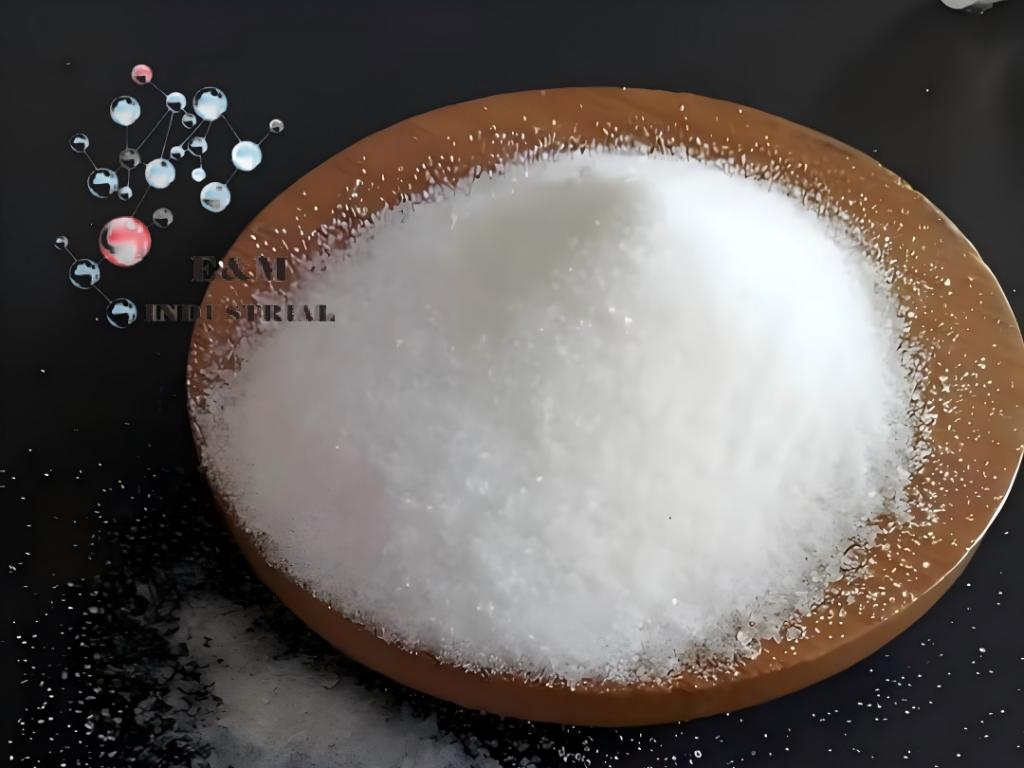
Citric acid stands out as one of the most adaptable natural organic acids in global manufacturing, supplied in two core crystalline forms—citric acid anhydrous and citric acid monohydrate—with both food grade and industrial grade variants to fit diverse production demands. Presented as white crystalline powder or granules with customizable mesh sizes ranging from 8–16 Mesh, 10–30 Mesh to fine 30–100 Mesh, this China-originated chemical gains widespread recognition for its outstanding pH regulation, flavor enhancement, chelating, and biodegradable cleaning performance. For factory procurement managers, food producers and cleaning formulators, mastering its properties and application scenarios helps streamline production and cut operational costs.
Physically stable and highly soluble in water, citric acid differentiates itself into anhydrous and monohydrate types to serve distinct production environments. Anhydrous citric acid contains no bound water molecules, boasting superior long-term stability and low moisture risk, making it ideal for moisture-sensitive food formulations and precision chemical manufacturing. Monohydrate citric acid carries one crystal water molecule, featuring cost-effective solubility that suits mass beverage, household detergent and water treatment workflows. All products undergo strict quality control to maintain consistent purity, uniform particle distribution and reliable chemical activity, supporting bulk supply and custom packaging for international clients.
Its largest consumption market lies in the food and beverage industry, where food grade citric acid acts as an irreplaceable multi-functional additive. As a natural acidity regulator and flavor booster, it delivers soft, fresh sourness for sodas, fruit juices, candies, baked goods and canned food. Beyond taste adjustment, it functions as a mild preservative to inhibit bacterial growth and stabilize product pH, extending shelf life without harsh synthetic additives. Food manufacturers widely pick tailored mesh sizes: coarse granules for dry powder drink mixes, while fine powder blends evenly into syrups and liquid seasonings, avoiding uneven acid distribution during mass production.
Citric acid also dominates the eco-friendly cleaning market as a biodegradable alternative to harsh chemical detergents. Its strong chelating capacity binds calcium, magnesium and iron ions, effortlessly dissolving limescale, soap scum, rust stains and mineral deposits on metal equipment, glassware and household appliances. Unlike corrosive inorganic cleaners, citric acid delivers powerful descaling results with minimal substrate damage, widely adopted in household cleaning sprays, dishwashing formulas and industrial equipment maintenance. Its fully biodegradable formula generates zero persistent toxic residues, aligning with worldwide green production standards.
For industrial manufacturing, industrial grade citric acid serves as a core chelating agent, buffering agent and pH adjuster across chemical production and water treatment sectors. In industrial circulating water systems, it removes mineral scale and metal sediment buildup on pipelines and filtration devices, improving water circulation efficiency and extending equipment service life. In chemical synthesis, it stabilizes reaction environments by locking interfering metal ions, reducing product defects and boosting reaction yield. It also acts as a gentle surface cleaner for light metal processing without triggering excessive oxidation.
Global industrial buyers prioritize citric acid for its flexible supply solutions. Manufacturers offer large-volume bulk shipments and tailor-made packaging to match small-batch commercial lines and large-scale factory production alike. Compared with non-biodegradable synthetic chelants such as EDTA, citric acid lowers wastewater treatment costs and meets increasingly strict environmental compliance rules across North America, Europe and Southeast Asia.
In summary, citric acid’s dual-grade, dual-form design and cross-industry functionality cement its irreplaceable position in modern production. Whether you produce bottled beverages, formulate eco-cleaners, run chemical synthesis lines or maintain industrial water systems, high-quality anhydrous and monohydrate citric acid balances efficiency, safety and sustainability, making it an essential staple for every global manufacturing operation.
 Dutch
Dutch
 English
 Arabic
 French
 Spanish
 Portuguese
 Deutsch
 Turkish
 Italiano
 Russian
 Romaian
 Portuguese (Brazil)
 Greek
Greek
