


 Ban & Monetization Policy
 MyLiveRoom Rewards Program Rules & Eligibility
How to Compare Cotton Fabric Suppliers Before Placing a Bulk Order
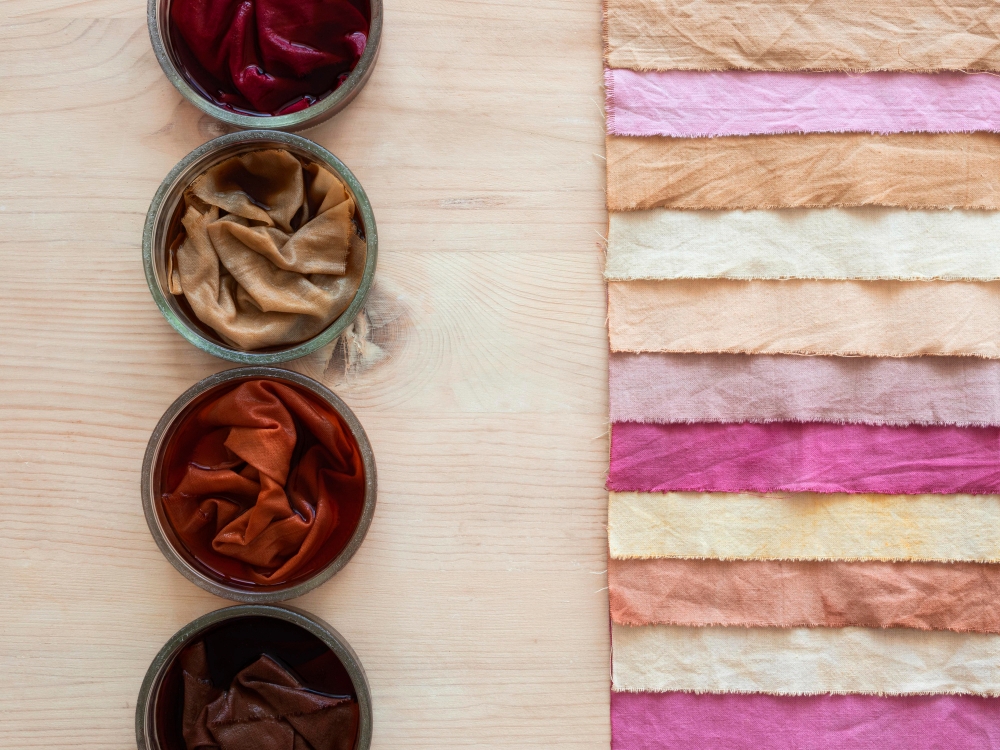
Choosing the right cotton fabric supplier for bulk orders requires evaluating quality standards, pricing transparency, delivery reliability, and ethical sourcing. Request samples, check references, and build long-term partnerships to reduce risk and get consistent results every time.
Placing a bulk fabric order is a significant business decision. Get it right, and you have a reliable supply chain that keeps your production running smoothly. Get it wrong, and you're dealing with delayed shipments, inconsistent quality, and wasted capital.
The cotton fabric market is crowded. Whether you're buying cotton fabric wholesale from a local mill or choosing to buy fabric online from an international platform, the sheer number of options can make comparison feel overwhelming. But with the right framework, you can cut through the noise and make a confident decision.
This guide walks you through exactly what to look for—from quality benchmarks to negotiation strategies—so your next bulk order is your best one yet.
What Quality Standards Should You Check in a Cotton Fabric Supplier?
Quality is non-negotiable. Before you commit to any supplier, request their fabric specifications in writing. This includes thread count, GSM (grams per square meter), tensile strength, and shrinkage rates. A reputable supplier will provide this data without hesitation.
Ask specifically about:
- Fabric consistency: Does every meter of cotton fabric meet the same specifications, batch after batch?
- Colorfastness: Will the fabric hold its dye through repeated washing?
- Certifications: Look for OEKO-TEX, GOTS (Global Organic Textile Standard), or BCI (Better Cotton Initiative) certifications. These signal that the supplier meets internationally recognized standards.
One practical move: order samples from at least three suppliers before making any decision. Test each sample under the same conditions—wash, stretch, and compare. Physical testing beats any brochure claim.
How Do You Evaluate Pricing When Buying Cotton Fabric Wholesale?
Price comparison isn't just about finding the lowest number per meter. It's about understanding what's included—and what isn't.
When comparing quotes for cotton fabric wholesale, break each one down into:
- Base fabric cost per meter or yard
- Minimum order quantity (MOQ) — a lower MOQ gives you more flexibility, especially for newer brands
- Shipping and import duties — these can add 10–30% to your landed cost
- Payment terms — net 30 or net 60 terms can significantly impact your cash flow
Be cautious of quotes that seem significantly lower than market rate. Unusually cheap cotton fabric often signals lower GSM, inconsistent dyeing, or unethical labor practices. Price should reflect value, not just a number on a spreadsheet.
Platforms like Fabriclore Pvt Ltd are worth considering here. Fabriclore offers wholesale pricing with low MOQs, making it a strong option for both emerging and established fashion businesses—whether you're sourcing locally in India or choosing to buy fabric online from anywhere in the world.
What Due Diligence Should You Do Before Choosing a Supplier?
Researching a supplier thoroughly before placing a large order protects your business. Here's a practical due diligence checklist:
Check Their Track Record
Search for the supplier online. Look for verified reviews on platforms like Trustpilot, Google, or industry-specific directories. Ask for two or three client references and actually call them. Ask how the supplier handled delays, defective goods, or order discrepancies.
Verify Their Production Capacity
A supplier may quote competitive prices but lack the capacity to fulfill large or recurring orders on time. Ask directly: "What is your current monthly production capacity for this fabric type?" If they can't answer clearly, that's a red flag.
Request a Factory Audit or Compliance Report
For larger orders, request a third-party factory audit. Organizations like Bureau Veritas and SGS provide independent assessments of production facilities. This step is especially important when sourcing from overseas manufacturers.
Assess Their Communication Responsiveness
Send a detailed inquiry and note how long they take to respond, how thoroughly they answer your questions, and whether their communication is clear. Poor communication before the sale almost always gets worse after it.
Why Does Ethical Sourcing Matter When You Buy Fabric Online or in Bulk?
Ethical sourcing has moved from a "nice to have" to a genuine business requirement. Consumers, retailers, and investors increasingly scrutinize supply chain practices. Partnering with a supplier who cuts corners on labor rights or environmental standards creates real business risk.
When evaluating a cotton fabric supplier's ethical practices, look for:
- Fair labor certifications such as SA8000 or Fair Trade
- Environmental compliance — water usage, chemical discharge, and waste management practices
- Transparency — a credible supplier will openly share their sourcing and production information
Fabriclore Pvt Ltd, for example, works with sustainable and certified fabrics, giving brands a cleaner supply chain without sacrificing quality or customization options. For brands buying cotton fabric wholesale at scale, this kind of transparency reduces long-term reputational risk.
How Do You Negotiate and Build a Long-Term Supplier Partnership?
The best supplier relationships aren't transactional—they're partnerships. Once you've identified one or two suppliers that meet your standards, shift your focus from haggling on price to building mutual value.
Here's how to approach it:
Start with a smaller test order. Even if you plan to order at scale, start with a mid-sized order to assess fulfillment quality, packaging, and delivery accuracy before going all in.
Negotiate on terms, not just price. Better payment terms, faster production timelines, or priority scheduling during peak seasons can be more valuable than a marginal discount per meter.
Communicate your growth plans. Suppliers are more likely to offer favorable terms to buyers who present a clear, credible plan for growing their orders over time. Show them you're worth investing in.
Put everything in writing. Every agreed specification, delivery date, and penalty clause should be in a signed contract. This protects both parties.
Final Tips for Successful Bulk Cotton Fabric Ordering
Before you place your next bulk order, run through this checklist:
- ✅ Request and physically test fabric samples from multiple suppliers
- ✅ Compare total landed costs, not just per-meter pricing
- ✅ Verify certifications and request third-party audit reports
- ✅ Check references and review communication quality
- ✅ Confirm production capacity for your order volume
- ✅ Negotiate terms and sign a clear, detailed contract
Choosing the right cotton fabric supplier takes time upfront, but it pays off in consistent quality, reliable delivery, and a supply chain you can actually count on.
If you're looking for a starting point, Fabriclore Pvt Ltd is one of the most trusted options for brands that need customized cotton fabric at competitive wholesale prices—with the option to buy fabric online and receive delivery globally. Trusted by 400+ private labels, Fabriclore combines pricing transparency with low MOQs and strong customer support.
Frequently Asked Questions
What is the most important factor when comparing cotton fabric suppliers?
Quality consistency is the most critical factor. A supplier can offer competitive pricing, but if fabric quality varies between batches, it creates costly production problems. Always test samples and request batch-level specifications before committing to a bulk order.
What is a reasonable MOQ when buying cotton fabric wholesale?
MOQs vary widely by supplier. Large mills often require 500–1,000 meters per order, while suppliers like Fabriclore Pvt Ltd offer lower MOQs suitable for smaller or emerging brands. The right MOQ depends on your production volume and cash flow.
Is it safe to buy fabric online in bulk?
Yes, provided you vet the supplier thoroughly. Verify certifications, request samples before ordering, check references, and use a secure payment method. Many established platforms now offer detailed product specifications and return policies to reduce risk.
How do I know if a cotton fabric supplier is ethical?
Look for third-party certifications such as GOTS, OEKO-TEX, SA8000, or Fair Trade. Ask the supplier directly about their labor practices and environmental policies, and request a factory audit report if your order volume justifies it.
How many suppliers should I compare before placing a bulk order?
Compare at least three suppliers. This gives you enough data to evaluate pricing, quality, and service levels objectively without making the process unmanageable.
 Greek
Greek
 English
 Arabic
 French
 Spanish
 Portuguese
 Deutsch
 Turkish
 Dutch
Dutch
 Italiano
 Russian
 Romaian
 Portuguese (Brazil)
