


 Ban & Monetization Policy
 MyLiveRoom Rewards Program Rules & Eligibility
The Essence of Chinese Culture in Traditional Festivals
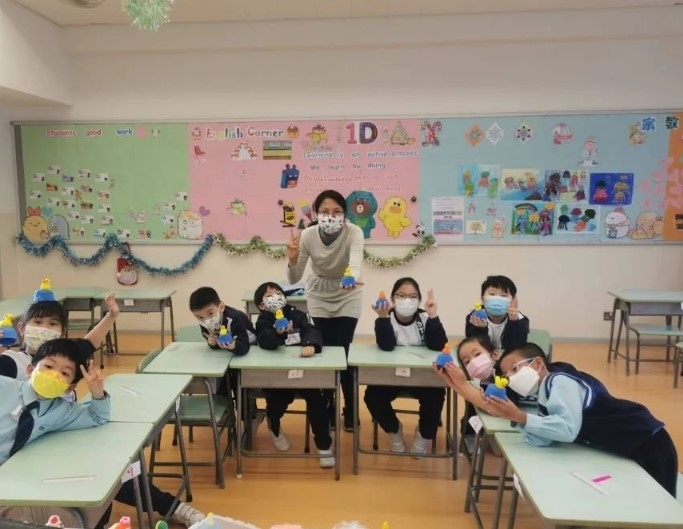
Chinese culture 中華文化 is a rich tapestry woven from thousands of years of history, philosophy, and traditions. At its heart, traditional festivals embody the values, beliefs, and communal spirit that define Chinese culture. These festivals, deeply rooted in ancient customs, provide a window into the soul of the Chinese people, showcasing their reverence for family, nature, and harmony. This article explores how Chinese culture manifests through its vibrant festivals, highlighting their significance, rituals, and enduring relevance.
One of the most prominent festivals in Chinese culture is the Lunar New Year, also known as the Spring Festival. Celebrated on the first day of the lunar calendar, it marks the beginning of a new year and is a time for family reunions, renewal, and hope. The festival is steeped in traditions that reflect core aspects of Chinese culture, such as ancestor worship and filial piety. Families gather to honor their ancestors with offerings and prayers, reinforcing the importance of lineage and respect for elders. Red decorations, symbolizing good fortune and joy, adorn homes, while firecrackers ward off evil spirits, a practice rooted in ancient folklore.
Another key festival is the Mid-Autumn Festival, celebrated on the 15th day of the eighth lunar month. This festival celebrates the harvest and the full moon, symbolizing abundance and unity. Mooncakes, a traditional delicacy, are shared among family and friends, embodying the value of togetherness central to Chinese culture. The act of gazing at the full moon evokes poetic reflections, drawing from Chinese culture’s deep appreciation for nature and its cycles. Classical poems, such as those by Li Bai, often describe the moon as a symbol of longing and connection, resonating with the festival’s themes.
The Dragon Boat Festival, held on the fifth day of the fifth lunar month, is another vivid expression of Chinese culture. Commemorating the poet Qu Yuan, this festival involves dragon boat races and the eating of zongzi (sticky rice dumplings). The competitive yet communal nature of the races reflects Chinese culture’s balance of individual effort and collective harmony. The festival also emphasizes loyalty and sacrifice, values drawn from Qu Yuan’s story, which remain integral to the moral fabric of Chinese society.
These festivals illustrate how Chinese culture integrates history, mythology, and philosophy into everyday life. Confucianism, Taoism, and Buddhism influence the rituals, emphasizing balance, respect, and spiritual connection. For example, the emphasis on family during the Lunar New Year aligns with Confucian ideals of filial piety, while the Mid-Autumn Festival’s focus on nature reflects Taoist principles of living in harmony with the universe. These philosophical underpinnings ensure that Chinese culture remains dynamic, adapting to modern contexts while preserving its core values.
In contemporary times, Chinese culture continues to thrive through these festivals, even in the diaspora. Overseas Chinese communities celebrate with the same fervor, maintaining cultural identity in globalized settings. The universal themes of unity, gratitude, and renewal make Chinese culture accessible and relatable worldwide. Moreover, the visual and sensory richness of these festivals—fireworks, lanterns, and traditional foods—captures the imagination, making Chinese culture a global cultural treasure.
In conclusion, traditional festivals are a vibrant expression of Chinese culture, encapsulating its values of family, harmony, and reverence for tradition. Through rituals, food, and communal activities, these celebrations keep Chinese culture alive, bridging the past and present. As China continues to influence the global stage, its festivals remain a testament to the enduring power of its cultural heritage.
Chinese Culture Through the Lens of Calligraphy
Chinese culture中華文化 is renowned for its profound artistic traditions, with calligraphy standing as one of its most revered expressions. Often described as the art of writing, Chinese calligraphy is more than a skill; it is a reflection of Chinese culture’s emphasis on beauty, discipline, and philosophical depth. This article delves into how calligraphy encapsulates the essence of Chinese culture, exploring its historical roots, artistic significance, and cultural resonance.
Calligraphy in Chinese culture is a practice that dates back over two thousand years, evolving alongside the Chinese writing system. The art form is deeply tied to the development of Chinese characters, which are not merely functional but also aesthetic. Each stroke in calligraphy is deliberate, reflecting Chinese culture’s value of precision and mindfulness. The four treasures of the study—brush, ink, paper, and inkstone—are the tools of this art, each symbolizing the harmony between human creativity and nature, a core tenet of Chinese culture.
The philosophical underpinnings of Chinese culture are vividly expressed in calligraphy. Confucianism, with its focus on self-cultivation and moral integrity, influences the discipline required to master calligraphy. Practitioners spend years honing their skills, embodying the Confucian ideal of perseverance. Similarly, Taoism’s emphasis on spontaneity and natural flow is evident in the fluid, expressive strokes of cursive script styles like Caoshu. Calligraphy thus becomes a meditative practice, aligning the artist’s mind and body with the principles of Chinese culture.
Calligraphy also serves as a bridge between Chinese culture and its literary heritage. Many calligraphic works feature poems, proverbs, or philosophical texts, preserving the wisdom of ancient scholars like Confucius or Laozi. For instance, inscribing a Tang dynasty poem in elegant Kaishu script not only showcases artistic skill but also reinforces Chinese culture’s reverence for literature and history. This integration of art and knowledge highlights the holistic nature of Chinese culture, where aesthetics and intellect are inseparable.
In social contexts, calligraphy is a marker of refinement in Chinese culture. Historically, scholars and officials were expected to master calligraphy as a sign of education and cultural sophistication. Even today, calligraphy is taught in schools and practiced by enthusiasts, ensuring its continuity. Public displays of calligraphy, such as during festivals or in temples, foster communal appreciation, reinforcing Chinese culture’s emphasis on shared heritage.
The global influence of Chinese culture is evident in the growing appreciation for calligraphy worldwide. International exhibitions and workshops introduce this art to diverse audiences, showcasing Chinese culture’s universal appeal. Calligraphy’s ability to convey emotion and meaning through abstract forms transcends language barriers, making it a powerful ambassador of Chinese culture.
In modern China, calligraphy adapts to contemporary contexts while retaining its traditional essence. Digital tools and modern art movements incorporate calligraphic elements, proving the versatility of Chinese culture. Whether in traditional scrolls or modern designs, calligraphy remains a testament to Chinese culture’s ability to evolve while staying rooted in its historical and philosophical foundations.
In conclusion, Chinese calligraphy is a profound expression of Chinese culture, embodying its values of discipline, harmony, and intellectual depth. As both an art form and a cultural practice, it connects the past with the present, offering insights into the soul of Chinese culture. Its enduring legacy underscores the timeless beauty and resilience of Chinese cultural traditions.
 Deutsch
 English
 Arabic
 French
 Spanish
 Portuguese
 Turkish
 Dutch
Dutch
 Italiano
 Russian
 Romaian
 Portuguese (Brazil)
 Greek
Greek
