


 Ban & Monetization Policy
 MyLiveRoom Rewards Program Rules & Eligibility
The Art and Tradition of Paper Cutting
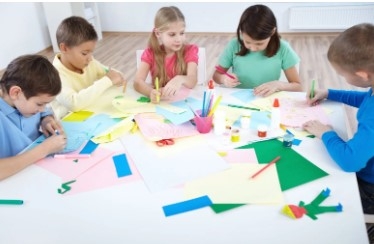
Paper cutting剪紙, an ancient art form, has been practiced for centuries across various cultures, particularly in China, where it is known as jianzhi. This intricate craft involves cutting paper into delicate designs using scissors or knives, creating patterns that often carry symbolic meanings. The keyword "paper cutting" encapsulates a practice that transcends mere decoration, embodying cultural heritage, storytelling, and artistic expression.
Originating in China during the Han Dynasty (206 BCE–220 CE), paper cutting emerged shortly after the invention of paper. Initially, it was used for religious and ceremonial purposes, such as decorating altars or creating offerings. The art form spread across Asia and eventually to Europe, evolving into distinct regional styles. In China, paper cutting is deeply tied to festivals like the Spring Festival, where red paper cuts symbolizing luck and prosperity adorn homes. Common motifs include flowers, animals, and mythical creatures, each carrying specific cultural significance. For example, the peony represents wealth, while the dragon symbolizes power.
The process of paper cutting requires precision and patience. Artists often start with a single sheet of paper, typically red in Chinese tradition, and use tools like scissors or small knives to carve out intricate designs. Some create symmetrical patterns by folding the paper before cutting, while others freehand their work for asymmetrical, organic shapes. The resulting pieces can be standalone artworks or used as stencils for embroidery or ceramics.
Beyond China, paper cutting has flourished in other cultures. In Poland, wycinanki features vibrant, multilayered designs, often depicting rural life. In Mexico, papel picado is used for celebrations like Día de los Muertos, with tissue paper cut into banners displaying skeletons and flowers. These global variations highlight paper cutting’s versatility as a medium for cultural expression.
Today, paper cutting remains relevant, blending tradition with modern innovation. Contemporary artists experiment with new materials, like metallic or textured paper, and incorporate digital tools for precision. The art form also inspires fashion, interior design, and even animation, proving its timeless appeal. Paper cutting, as a craft, bridges generations, preserving cultural narratives while inviting creative exploration.
In conclusion, paper cutting is more than a decorative art; it is a cultural artifact that reflects history, values, and creativity. Its enduring presence across continents underscores its universal appeal, making it a cherished practice for both artisans and enthusiasts.
Techniques and Tools in Paper Cutting
Theme: Crafting Mastery in Paper Cutting
Paper cutting剪紙, a meticulous craft, combines creativity with technical skill, transforming simple sheets of paper into intricate works of art. The keyword "paper cutting" refers not only to the act of shaping paper but also to the mastery of tools and techniques that define this art form. From traditional methods to modern innovations, the process of paper cutting is as diverse as the designs it produces.
At its core, paper cutting involves removing sections of paper to create patterns or images. The tools used vary by region and style. In Chinese jianzhi, artisans often use small, sharp scissors or a craft knife for precision. Scissors allow for fluid, continuous cuts, ideal for organic shapes like vines or animals. Knives, on the other hand, excel in detailed work, enabling artists to carve minute details into thin paper. In contrast, Polish wycinanki artists may layer multiple colors of paper, cutting each separately to create a vibrant, three-dimensional effect.
The choice of paper is critical in paper cutting. Thin, lightweight paper, such as rice paper or tissue, is common in Asian traditions due to its flexibility and ease of cutting. In contrast, heavier cardstock is favored in Western styles for durability. Red paper dominates in Chinese paper cutting, symbolizing good fortune, while Mexican papel picado often uses bright, multicolored tissue paper to evoke festivity.
Techniques in paper cutting vary widely. Symmetrical designs, achieved by folding paper before cutting, are common in beginner projects and traditional Chinese patterns. Freehand cutting, which requires a steady hand and a keen eye, allows for more complex, asymmetrical compositions. Some artists use templates or stencils to guide their cuts, while others rely on intuition, sketching directly onto the paper. Advanced practitioners may combine cutting with scoring or perforating to add texture and depth.
Modern technology has also influenced paper cutting. Laser-cutting machines offer precision for mass production or intricate designs that would be challenging by hand. However, purists argue that manual cutting retains a soulful quality that machines cannot replicate. Software like Adobe Illustrator is sometimes used to design patterns, which are then cut by hand or machine, blending digital precision with traditional craftsmanship.
Paper cutting’s appeal lies in its accessibility—anyone with paper and a cutting tool can begin—but its mastery demands dedication. Whether creating a simple snowflake or an elaborate tableau, the art of paper cutting invites endless creativity, making it a rewarding pursuit for artists worldwide.
 Italiano
 English
 Arabic
 French
 Spanish
 Portuguese
 Deutsch
 Turkish
 Dutch
Dutch
 Russian
 Romaian
 Portuguese (Brazil)
 Greek
Greek
