


 Ban & Monetization Policy
 MyLiveRoom Rewards Program Rules & Eligibility
Control Valve: The Heart of Fluid Control in Industrial Systems
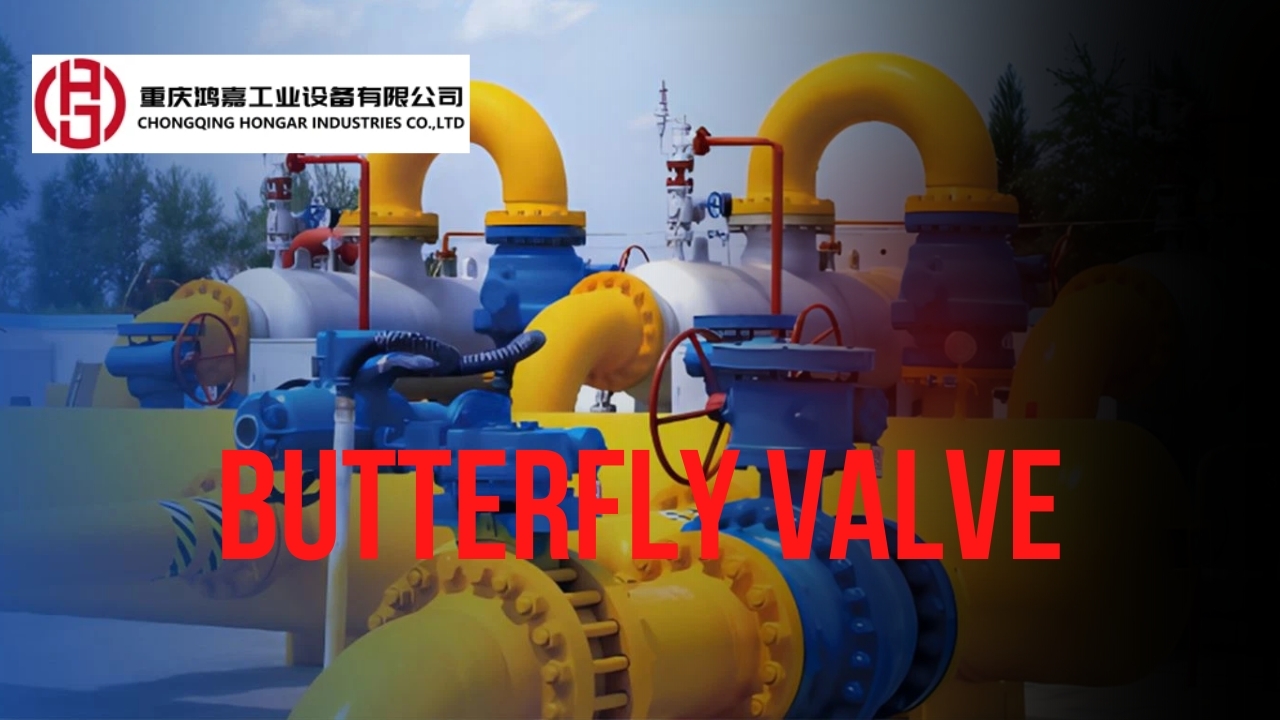
A control valve is a critical component in industrial process automation—regulating the flow, pressure, temperature, and levels of fluids (liquids and gases) by varying the size of the flow passage. Acting like a system's circulatory system, control valves precisely manage dynamic processes, ensuring optimal performance, safety, and efficiency.
This comprehensive article delves into everything you need to know about control valves: from their core function and mechanisms to types, selection factors, maintenance practices, and real‑world applications.
1. How Control Valves Work
At the center of a control valve lies an actuator—either mechanical, pneumatic, hydraulic, or electric—which moves an internal plug, disc, or ball. These elements adjust the valve’s opening to control the flow rate. Here's a simplified breakdown:
-
A control signal from a process controller (e.g., 4–20 mA, pneumatic pressure, or digital protocol) travels to the actuator.
-
The actuator responds by moving the valve element.
-
The change in opening modulates fluid flow, pressure, or temperature, enabling precise control aligned with process demands.
-
Feedback loops (via positioners or sensors) help maintain accuracy and compensate for dynamics or disturbances.
2. Major Types of Control Valves
Understanding the differences between control valve types helps in choosing the right one for your application. Here's a breakdown:
-
Globe Valves: Highly accurate and versatile, used for throttling and shut‑off service. Ideal for flow control, but tend to have higher pressure drops due to flow path design.
-
Butterfly Valves: Lightweight and cost‑effective, excellent for larger diameters. Quick to operate but less precise for throttling applications.
-
Ball Valves: Simplistic, reliable, and ideal for tight shut‑off. Flow restriction is minimal when fully open, but throttling precision is limited.
-
Diaphragm Valves: Best when handling corrosive or hygienic fluids. The diaphragm isolates the fluid from mechanical parts—common in pharmaceutical or food industries.
-
Plug Valves: Compact, quick to operate, and suitable for on/off service. They do not excel at fine flow control.
-
Pinch Valves: Use a flexible sleeve pinched closed to stop flow—excellent for abrasive or slurry media.
3. Control Valve Trim Styles
The trim refers to the internal components (e.g., plug shape, seat design) governing flow-control characteristics. Common styles include:
-
Linear trim: Flow changes linearly with valve lift.
-
Equal percentage: Flow change accelerates with lift—great for systems with wide pressure ranges.
-
Quick open: Releases large flow with minimal travel—ideal for fast‑acting systems.
Selecting the right trim ensures better accuracy, response, and valve reliability.
4. Factors in Selecting a Control Valve
Choosing the right control valve is a multifaceted decision. Key considerations include:
| Factor | Why It Matters |
|---|---|
| Process fluid | Is it corrosive, abrasive, toxic, or sanitary? Material compatibility is critical. |
| Flow characteristics | Required flow, pressure drop, and rangeability influence valve type and trim. |
| Pressure/temperature | High pressures or extreme temperatures demand rugged design and suitable materials. |
| Actuation method | Electric, pneumatic, or hydraulic—what suits your automation system and supply? |
| Shut‑off tightness | Does the system need absolute isolation (e.g., emergency shutdown)? |
| Response speed | Fast‑acting applications require responsive actuators and trims. |
| Maintenance ease | Modular designs or replaceable parts can reduce downtime and maintenance cost. |
| Standards and codes | Sanitary (FDA/3A), petrochemical (API/ISA), or other certifications may apply. |
5. Installation, Control, and Positioners
-
Valve Positioners play a vital role—they compare the control signal to the actual valve position and adjust the actuator accordingly to reduce error and improve control fidelity.
-
Smart Positioners communicate diagnostics and performance data over digital networks such as HART, FOUNDATION Fieldbus, or Profibus, enabling predictive maintenance and remote tuning.
-
Installation Best Practices:
-
Ensure straight, unobstructed pipe runs to reduce turbulence.
-
Install close to upstream/downstream instrumentation when needed.
-
Include isolating valves and bypasses for maintenance.
-
6. Common Problems—and How to Fix Them
| Problem | Symptoms | Fix |
|---|---|---|
| Stiction or sticking | Erratic response; valve “lags” | Clean or replace trim, use lubricated or low‑friction materials |
| Hysteresis | Different opening/closing behavior | Calibrate and diagnose positioner; consider upgraded internals |
| Cavitation or flashing | Noise, vibration, erosion | Opt for multistage trims or anti‑cavitation designs |
| Erosion or corrosion | Frequent rebuilds; degraded performance | Use hardened alloys, coatings, or trim materials |
| Signal drift or loss | Poor control accuracy | Inspect actuation links, check for leaks in pneumatic systems, recalibrate |
7. Real‑World Applications
-
Oil & Gas: Managing flow rates, pressures, and blending using durable, high‑pressure-rated valves with anti‑cavitation trims.
-
Power Generation: Steam control valves regulate temperature and pressure, often needing fast response and high reliability.
-
Chemical Processing: Handling a variety of corrosive or hazardous media—materials and seals must resist degradation.
-
Water & Wastewater: Valves regulate pressure, flow, and chemical dosing; ruggedness and easy maintenance are essential.
-
Food & Beverage / Pharmaceutical: Hygiene is paramount. Diaphragm-style valves and stainless steel with smooth finishes are common. Tri‑clamp fittings and CIP (Clean-In-Place) capability are often required.
8. Trends and Innovations
-
Electrically Actuated Valves: Gaining traction due to precise control, remote programmability, and energy efficiency.
-
Digital and Smart Systems: Valve condition monitoring via smart positioners and IIoT integration improves uptime and reduces maintenance costs.
-
Advanced Materials: Ceramic coatings, hardened alloys, and PTFE linings help valves endure harsh environments.
-
Eco-friendly Focus: Valves are being designed to minimize leaks, reduce noise, and improve energy efficiency—critical for sustainability targets.
9. Maintenance Best Practices
-
Routine Checks: Inspect actuator integrity, linkages, packing, and stems.
-
Preventive Rebuilds: Schedule maintenance during downtime—keep spare trim, seals, and gaskets in stock.
-
Store Parts Properly: Ensure cleanliness, dryness and correct environmental conditions.
-
Documentation & Calibration: Log all maintenance work and recalibrate positioners periodically.
-
Training & Safety: Ensure maintenance staff are trained, follow lock‑out/tag‑out (LOTO), and use proper PPE.
10. Summary: Why Control Valves Matter
-
Precision & Safety: Provide vital regulation of critical process parameters.
-
Performance & Efficiency: Enhance system responsiveness and energy usage.
-
Longevity & Reliability: Proper selections and upkeep prevent unplanned downtime.
-
Automation & Optimization: Smart actuation fosters superior control and operational insights.
-
Versatility: Adapts to diverse industrial needs—from abrasive slurries to sterile fluids.
Control valves are far more than mere shut-off devices—they are precision instruments that breathe control, safety, and efficiency into every industrial fluid system. Whether you're optimizing a petrochemical loop, automating a power-plant turbine, or crafting hygienic flow in food processing, understanding control valve science and strategy empowers smarter, safer, and more sustainable operations.

 English
 French
 Spanish
 Portuguese
 Deutsch
 Turkish
 Dutch
Dutch
 Italiano
 Russian
 Romaian
 Portuguese (Brazil)
 Greek
Greek
