


 Ban & Monetization Policy
 MyLiveRoom Rewards Program Rules & Eligibility
Custom Awards Manufacturing Process
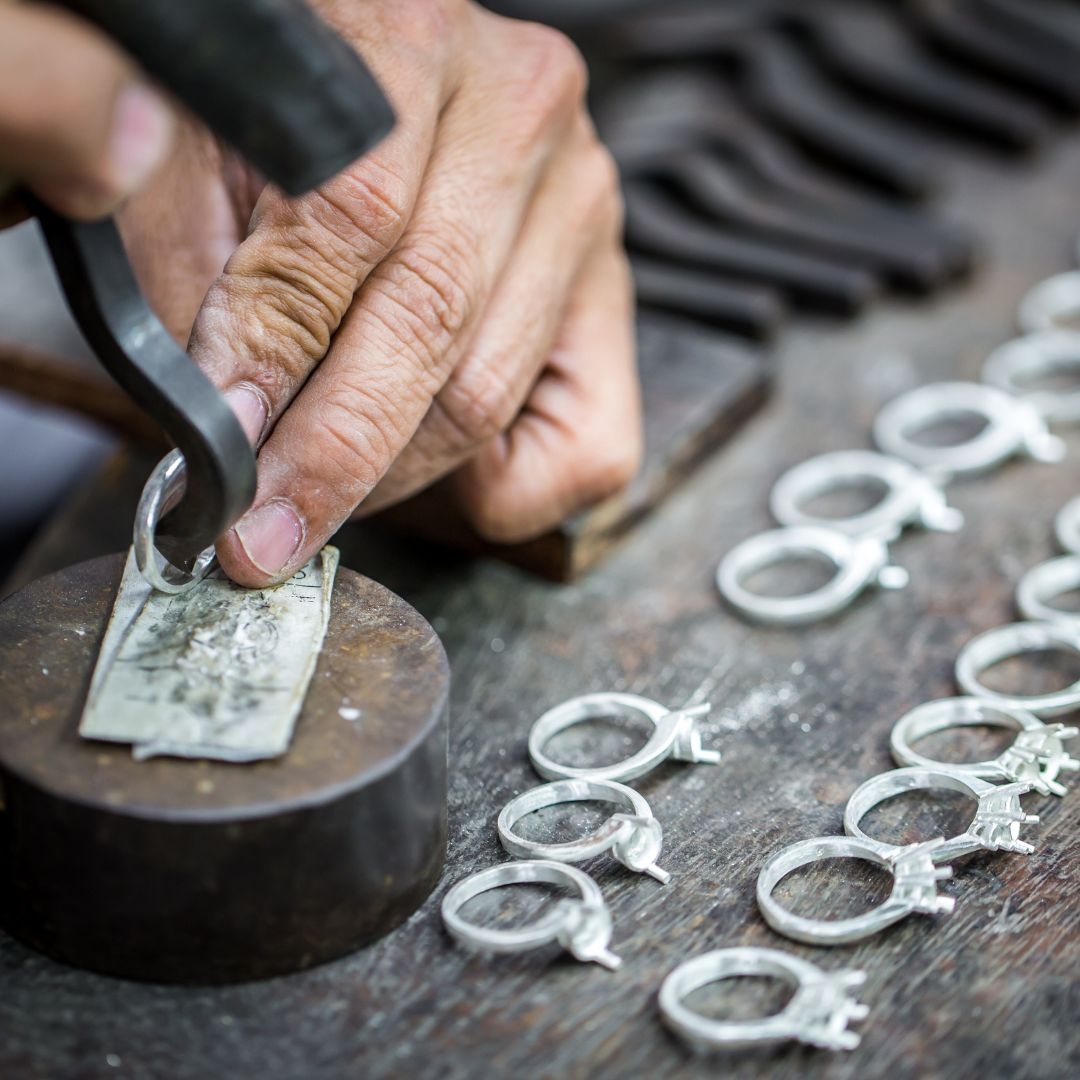
Awards and trophies are more than just objects; they symbolize achievement, recognition, and excellence. A well-crafted award creates a lasting impression, celebrating milestones in corporate events, academic achievements, sports tournaments, and cultural ceremonies. The custom awards manufacturing process combines creativity, technical precision, and skilled craftsmanship to ensure every award reflects its purpose and resonates with the recipient.
Understanding the Importance of Customization
Modern organizations increasingly seek awards that go beyond generic designs. Personalized awards offer a sense of exclusivity and enhance the significance of the recognition. A thoughtfully designed award using bespoke design principles ensures that the recipient feels valued, while the award itself becomes a lasting memento of achievement.
Customization allows manufacturers to tailor every element of the award from the choice of materials and color schemes to shapes, engravings, and logos so that it perfectly aligns with the event's theme or the brand identity of the organization.
Conceptualization and Client Consultation
Every award begins with a concept. The manufacturer collaborates closely with clients to understand the occasion, the audience, and the desired message. This step involves:
Discussing design preferences, materials, and budget
Reviewing reference images or previous award examples
Finalizing the key elements, such as inscriptions, logos, or symbols
This stage ensures that the vision for the award is clearly defined before the production process begins.
Design and Prototyping
Once the concept is finalized, skilled designers create detailed sketches or digital renderings. Using computer-aided design (CAD) tools, the design can be visualized in 3D, allowing clients to approve dimensions, colors, and intricate details. For high-end projects, bespoke design techniques are often applied to create unique award elements that cannot be replicated elsewhere.
Prototyping may involve producing small-scale models to test aesthetics, balance, and functionality. This ensures that the final award meets both visual and practical expectations.
Material Selection
Material choice is critical to the overall quality and appeal of an award. Manufacturers select materials based on durability, design requirements, and budget. Common options include:
Acrylic: Lightweight and versatile, suitable for modern award shapes
Metal: Brass, stainless steel, or aluminum for a classic, premium feel
Glass and Crystal: Provides elegance and transparency for high-value awards
Wood: Traditional and warm, often used for plaques or base structures
The combination of materials and finishes plays a major role in how the award is perceived and handled.
Crafting and Assembly
Skilled artisans bring the designs to life through cutting, molding, engraving, polishing, and assembling components. Laser engraving and 3D printing have revolutionized the precision and intricacy possible in award production. Each piece undergoes meticulous attention to detail to ensure smooth finishes, accurate dimensions, and alignment of engraved text or logos.
Quality Check and Packaging
Before delivery, every award is carefully inspected for craftsmanship, finishing, and accuracy. Packaging is done securely to prevent damage during transit, ensuring the award arrives in pristine condition.
Conclusion
The custom awards manufacturing process is a meticulous blend of creativity, technology, and skilled labor. By incorporating personalized touches and bespoke design principles, manufacturers create awards that are not only visually stunning but also emotionally significant. From conceptualization to delivery, every step ensures that the final product reflects the achievement it commemorates, leaving a lasting impression on recipients and event organizers alike.
FAQ
Q1: What materials are commonly used in custom awards?
A1: Custom awards are typically made from acrylic, metal (brass, stainless steel, aluminum), glass, crystal, and wood. Some manufacturers also offer eco-friendly or recycled materials. The choice depends on design preferences, budget, and the type of award.
Q2: How long does it take to manufacture a custom award?
A2: Production time varies depending on design complexity and materials. Simple awards can take 7–10 days, while intricate designs with bespoke elements or multi-material combinations may take 2–4 weeks.
Q3: Can I personalize a single award or do I need to order in bulk?
A3: Most manufacturers accept both single and bulk orders. Personalized touches such as engraving, logos, and custom shapes can be applied to individual awards without requiring large quantities.
 French
 English
 Arabic
 Spanish
 Portuguese
 Deutsch
 Turkish
 Dutch
Dutch
 Italiano
 Russian
 Romaian
 Portuguese (Brazil)
 Greek
Greek
