


 Ban & Monetization Policy
 MyLiveRoom Rewards Program Rules & Eligibility
A Step-by-Step Guide to the New Product Development Process in the Food Industry
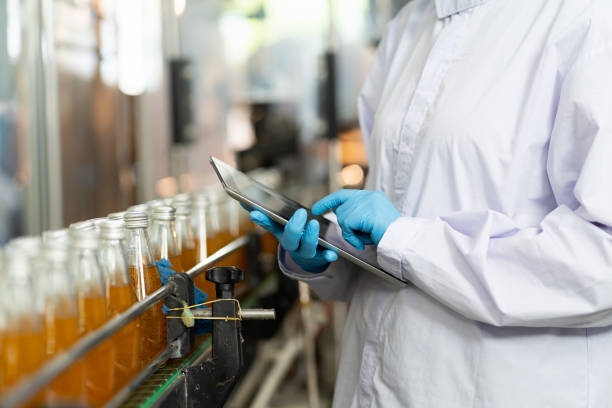
In the fast-paced and competitive food industry, it takes more than just a good recipe to get a fresh idea out there. It needs a lot of industry information, technical know-how, and a clear plan for how to grow. This is when food and beverage consulting really comes in handy. Expert advice may help you deal with regulatory standards, client expectations, and operational issues, no matter if you're a little business or a big company.
Making a good food product isn't just about how it tastes; it's also about how safe it is, how easy it is to make more of, and how well it fits with current trends. This step-by-step guide shows you the most important steps in the food industry's new product development process. It gives you the information you need to make your idea a market-ready success.

Step 1: Research the market and come up with ideas
To make a great product, you need to know what the market wants. This step is all about finding chances and needs that aren't being met by consumers.
You should look into:
What are the latest eating trends, including low-carb, high-protein, and plant-based?
What are the other companies offering?
What problems do people have with the things they already have?
Use resources like surveys, focus groups, and reports on trends. This study is the basis for your idea and makes sure you're solving a real problem instead of just making another version of something that currently exists.
Step 2: Coming up with ideas and figuring out if they are possible
Once you've come up with a good idea, the following step is to turn it into a workable product idea. This includes carefully considering important things like the ingredients, the nutritional content, the price, and the packaging.
Some questions to ask at this point are:
Is the idea possible from a technological point of view?
Will it satisfy your dietary demands, like being gluten-free, keto, or allergen-free?
Can it be made in large quantities?
Feasibility studies look at the availability of ingredients, how long they last, and how much they cost. Food scientists and dietitians can help you find the proper mix between being creative and being practical.
Stage 3: Creating the product and making a prototype
It's time to make the real thing once the idea is better. At this point, your team makes sample recipes and prototypes to see how they taste, feel, smell, look, and how healthy they are.
This is also when the product development of food really starts to come together. It may take several tries to get the formula just right. We test prototypes internally and with small groups of consumers to get feedback and make changes.
You should choose ingredients not only for their taste but also for:
How long it lasts
Following food safety rules
Functional advantages, include extra protein, probiotics, and vitamins
Step 4: Review by the government and making sure the label is correct
Before a food product may be sold, it has to follow both municipal and national food safety rules. This includes:
Correct nutrition labels
Statements about allergens
List of ingredients
Health or nutritional claims that are based on science
During this stage, mistakes might result in fines, recalls, or losing customers' faith. At this point, a lot of businesses hire food and beverage consultants to make sure that their packaging, labeling, and ingredient sourcing are all in line with the law.

Stage 5: Testing and Making a Pilot
Pilot runs are a way to test out the real production process on a limited scale. This stage is very important for finding problems with operations early on and making small changes to things like:
Mixing ratios of ingredients
Quality of the packaging
Compatibility with machines
Times for cooling, freezing, or baking
It also lets you do more sensory tests with a bigger group of people. Real-time feedback lets you find flaws with the flavor or the design of the packaging before you start making a lot of it.
Stage 6: Strategy for branding, packaging, and marketing
Now that you've tested and improved your product, it's time to put it on the market.
Some important things to think about are:
Brand name and look
Design of packaging (looks and how it works)
Digital, retail, and food service are all marketing avenues.
Strategy for pricing
DTC, retail, and wholesale are all types of distribution models.
Make sure your brand shows the values of the product, whether they be health, indulgence, sustainability, or convenience.
A marketing plan that has been carefully thought out is quite important. To get people excited about your official release, think about doing social media marketing, working with influencers, offering tastings in stores, or having soft launches.
Step 7: Make the product and launch it for sale
You are now ready to sell your product commercially since you have a clear plan for how to do it. This means:
Full-scale production
Finishing up the logistics of the supply chain
Distribution to restaurants, e-commerce sites, or retail partners
Keeping an eye on the first sales performance
Keep a close eye on how well the product does after it's on the market. To find ways to improve or grow your business (such adding new flavors or changing the size of your packages), look at sales statistics, customer reviews, and feedback from retailers.
Conclusion
It takes more than just cooking skills to launch a new food product. You need to do research, follow the rules, come up with fresh ideas, and have a good plan for how to carry them out. The food industry's new food product development process makes sure that items are not only made, but also built to last in the market.
Brands may greatly lower their risk, boost their efficiency, and boost their chances of launching a successful product by meticulously following each stage and working with experts in the field, including food and beverage consultants.
In a field where tastes change and competition is tough, the secret to success is to stay organized, adaptable, and focused on the customer.
 Deutsch
 English
 Arabic
 French
 Spanish
 Portuguese
 Turkish
 Dutch
Dutch
 Italiano
 Russian
 Romaian
 Portuguese (Brazil)
 Greek
Greek
