


 Ban & Monetization Policy
 MyLiveRoom Rewards Program Rules & Eligibility
Top Q&A: Before Purchase LED Corn Bulbs
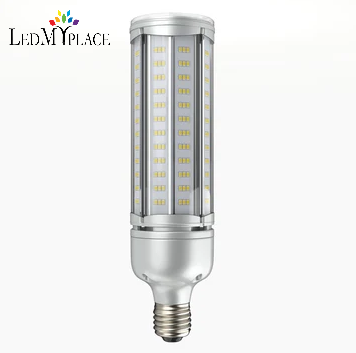
When it comes to upgrading old lighting fixtures, many homeowners and business owners are switching to LED Corn Bulbs. If you’re curious about how they work, where to use them, and whether they’re worth the investment, this Q&A guide has you covered.
What are LED Corn Bulbs?
LED Corn Bulbs are named after their design — they look like a corn cob with rows of LED chips attached to the surface. This design allows them to emit light in a full 360° pattern, making them an excellent replacement for traditional high-wattage bulbs such as metal halide, CFL, and sodium lamps.
Why Should I Choose LED Corn Bulbs Over Traditional Bulbs?
There are several reasons why LED Corn Bulbs are becoming popular:
✅ Energy Efficiency – They use up to 70% less electricity compared to older bulbs.
✅ Long Lifespan – Most last 50,000+ hours, reducing replacement frequency.
✅ Better Brightness – High lumen output provides clear, uniform lighting.
✅ Eco-Friendly – No mercury or harmful chemicals.
✅ Easy Retrofit – Designed to fit into existing fixtures with minimal effort.
Where Can I Use LED Corn Bulbs?
LED Corn Bulbs are versatile and can be used in both indoor and outdoor applications, including:
-
Parking lot pole lights
-
Street lamps
-
Warehouse and factory lighting
-
Garage fixtures
-
High bay and low bay lighting
-
Large indoor spaces like gyms and halls
Basically, any place that needs powerful, wide-spread illumination can benefit from them.
Are LED Corn Bulbs Safe to Use?
Yes, as long as they are installed correctly. Most LED Corn Bulbs require you to bypass the ballast in older fixtures, since ballasts are designed for traditional lamps. Running them directly on line voltage (120–277V or higher, depending on the bulb) ensures safety and efficiency. Always check installation requirements before replacing your old bulb.
How Do I Choose the Right LED Corn Bulb?
Here are some key factors to consider when buying:
-
Wattage & Lumens → Match the light output to the space (e.g., 100W LED ≈ 400W MH replacement).
-
Base Type → Make sure the bulb fits your socket (E26, E39, etc.).
-
Color Temperature → 3000K (warm), 4000K (neutral), 5000K–5700K (daylight).
-
Voltage Compatibility → Check fixture requirements (standard vs. high-voltage).
-
Dimmable or Not → Some corn bulbs support dimming controls.
Do LED Corn Bulbs Really Save Money?
Absolutely. While the upfront cost may be higher, the long-term savings on electricity bills and replacement costs are significant. Businesses and homeowners often recover the investment within 1–2 years through energy savings alone.
Final Thoughts
LED Corn Bulbs are a smart, eco-friendly, and cost-effective solution for upgrading outdated lighting systems. Whether you’re illuminating a warehouse, a parking lot, or a large indoor space, they provide excellent brightness, durability, and efficiency.
If you’re considering a switch, think of them as a one-time upgrade that pays off for years to come.
 Spanish
 English
 Arabic
 French
 Portuguese
 Deutsch
 Turkish
 Dutch
Dutch
 Italiano
 Russian
 Romaian
 Portuguese (Brazil)
 Greek
Greek
