


 Ban & Monetization Policy
 MyLiveRoom Rewards Program Rules & Eligibility
Projector Throw Ratio Guide for Classrooms
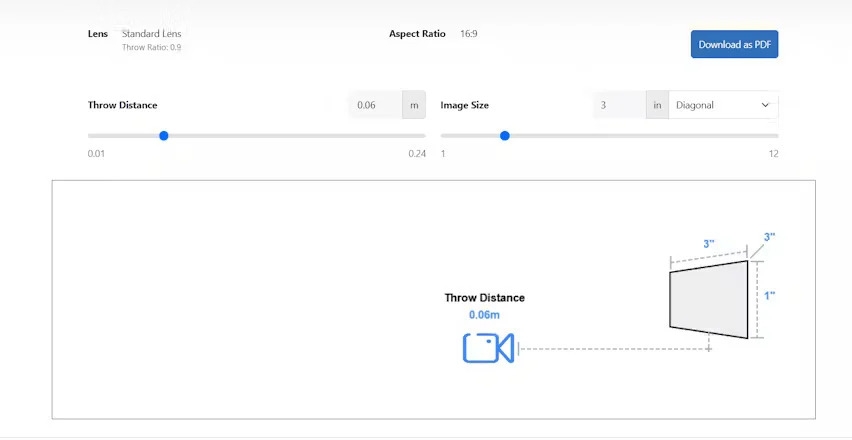
In modern classrooms, projectors play a crucial role in delivering engaging lessons, interactive presentations, and multimedia content. To ensure that every student has a clear view of the screen, understanding Projector Throw Ratio is essential. The throw ratio determines how far a projector should be placed from the screen to achieve a specific image size. Selecting the right throw ratio helps teachers and AV professionals optimize image clarity, classroom layout, and overall learning experience.
What Is Projector Throw Ratio
Projector Throw Ratio is defined as the ratio of the distance between the projector and the screen (throw distance) to the width of the projected image. The formula is:
Throw Ratio = Throw Distance ÷ Image Width
For example, if a projector is installed 10 feet from a 5-foot wide screen, the throw ratio is 2.0. This specification guides proper projector placement, ensuring that images are appropriately sized and sharp for all viewers.
In classrooms, correct throw ratio selection is particularly important because students sit at varying distances from the screen and may have different sightlines.
Types of Throw Ratios for Classrooms
Classroom projectors are generally categorized by throw type, which affects placement flexibility:
-
Ultra Short Throw Projectors
-
Throw ratios below 0.5
-
Can be placed very close to the screen
-
Ideal for small classrooms or interactive whiteboards
-
Reduces shadows and glare on the screen
-
Short Throw Projectors
-
Throw ratios between 0.5 and 1.0
-
Suitable for medium-sized classrooms
-
Prevents long cable runs and allows ceiling mounting near the front of the room
-
Standard Throw Projectors
-
Throw ratios above 1.0
-
Used in larger classrooms or auditoriums
-
Requires more space behind the projector but delivers large images without distortion
Selecting the right throw type ensures the projector fits the classroom layout while providing clear and comfortable viewing for all students.
Measuring the Classroom
Before selecting a projector, measure the classroom carefully:
-
Screen Width and Height: Ensure the projected image will fit within the designated screen or whiteboard.
-
Throw Distance: Measure from the intended projector location to the screen.
-
Ceiling Height and Mounting Options: Determine if the projector will be mounted on the ceiling, wall, or placed on a table.
-
Student Seating Arrangement: Consider the furthest and closest students to the screen for optimal image size and legibility.
Accurate measurements allow you to choose a projector with a throw ratio that aligns with the room’s dimensions.
Using Throw Ratio to Optimize Image Quality
Projector Throw Ratio directly impacts image size, sharpness, and clarity in a classroom environment:
-
Ensuring Readability
Text, diagrams, and charts must be legible from all seating positions. A properly matched throw ratio ensures that text remains sharp and easy to read, even for students seated at the back. -
Maintaining Sharpness and Resolution
Incorrect throw distances can reduce pixel density, causing blurry or pixelated images. Matching throw ratio with screen width ensures that the projector’s native resolution is fully utilized. -
Reducing Shadows and Glare
Short throw and ultra short throw projectors minimize shadows cast by teachers or students near the screen and reduce glare, enhancing visibility for everyone in the room.
Consider Lens and Adjustment Features
Modern classroom projectors often include zoom lenses and lens shift features:
-
Zoom Lens: Allows minor adjustments to image size without moving the projector, accommodating slight classroom layout changes.
-
Lens Shift: Adjusts vertical or horizontal alignment to ensure the image fits the screen perfectly, even if the projector cannot be placed in the ideal location.
These features add flexibility during installation and future-proof the classroom for seating rearrangements or new screen placements.
Classroom Lighting Considerations
Ambient light can impact perceived image quality. Projector throw ratio influences brightness distribution:
-
High Throw Ratios: Projectors placed further from the screen may require higher brightness to maintain clarity.
-
Low Throw Ratios: Ultra short and short throw projectors can produce bright images from close distances, suitable for well-lit classrooms.
Choose a projector with appropriate brightness for the classroom size and lighting conditions while maintaining the correct throw ratio.
Tips for Selecting the Right Throw Ratio
-
Match Throw Ratio to Room Size: Ensure the projector fits the classroom layout without requiring excessive space behind it.
-
Consider Screen Size and Placement: The screen should be fully covered without distortion or overspill.
-
Check Resolution: Higher resolution projectors provide sharper images, especially important for text and charts.
-
Factor in Flexibility: Features like zoom and lens shift allow for minor adjustments and future-proof installations.
-
Plan for Maintenance: Ceiling-mounted projectors require easy access for lamp replacement and cleaning.
Conclusion
Projector Throw Ratio is a critical factor in classroom projector selection. It influences image size, sharpness, clarity, and overall student engagement. By measuring the room, understanding throw types, and considering lens and lighting factors, educators and AV professionals can select the right projector for any classroom environment.
Proper throw ratio ensures that every student sees clear, readable content, reduces shadows and glare, and provides an optimal learning experience. Using these guidelines, classrooms can achieve professional-grade visual performance, making lessons more engaging and effective.
Read more: https://ekonty.com/blogs/427830/Projector-Throw-Ratio-Buying-Checklist
 Spanish
 English
 Arabic
 French
 Portuguese
 Deutsch
 Turkish
 Dutch
Dutch
 Italiano
 Russian
 Romaian
 Portuguese (Brazil)
 Greek
Greek
