


 Ban & Monetization Policy
 MyLiveRoom Rewards Program Rules & Eligibility
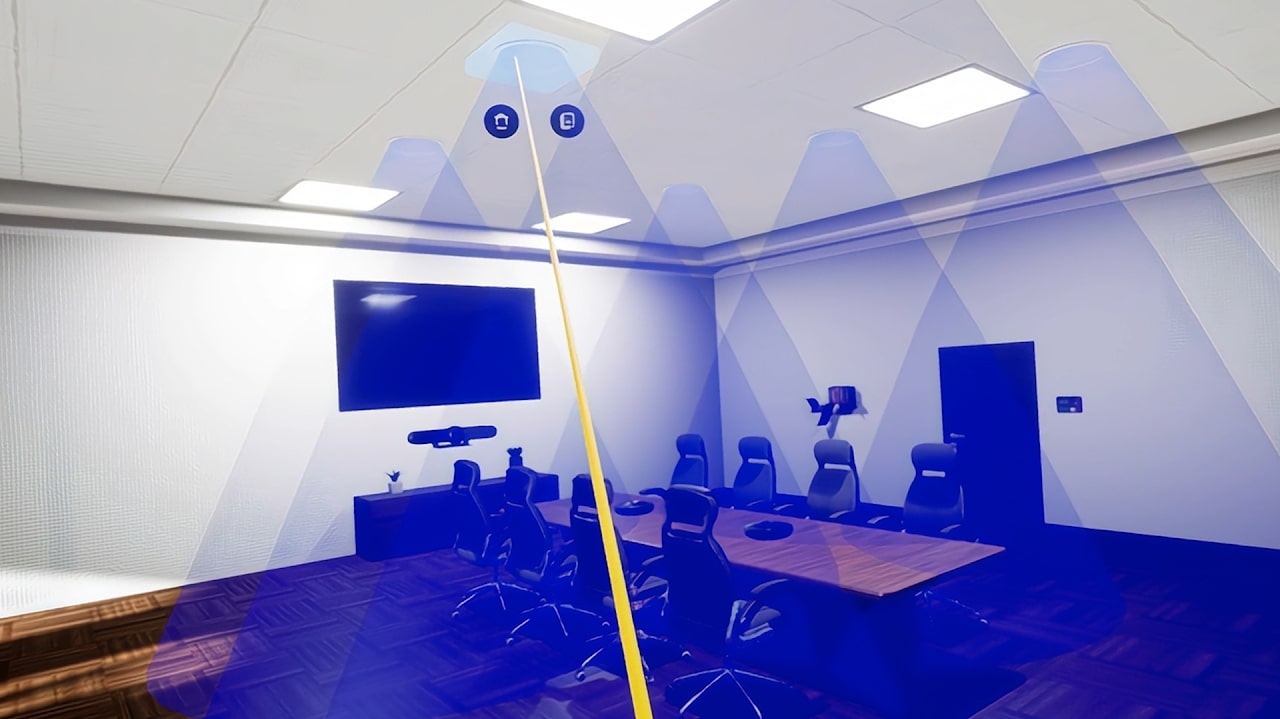
When designing a whole-home audio system, one of the first decisions homeowners face is whether to use stereo or mono ceiling speakers. The choice affects sound quality, coverage, and flexibility across different rooms. Ceiling speakers provide a clean, unobtrusive solution for distributing music throughout your home, but the format you choose—stereo or mono—can make a significant difference in how your audio is experienced. Understanding the benefits and limitations of each option is essential for creating a system that meets your listening preferences.
Understanding Stereo and Mono Audio
Mono audio, short for monophonic, delivers sound from a single channel. In a mono setup, all speakers reproduce the same audio signal. This ensures consistent sound throughout the listening area but lacks the directional cues that make music and movies feel dynamic.
Stereo audio, or stereophonic sound, uses two channels, left and right, to create a sense of spatial separation. Instruments, vocals, and effects can be positioned within the soundstage, giving listeners a more immersive and realistic experience. In a whole-home audio system, stereo ceiling speakers can make a big difference in how music feels, especially in areas where you spend time enjoying tunes or entertaining guests.
Benefits of Mono Ceiling Speakers
Mono ceiling speakers have several advantages for whole-home audio setups:
-
Simpler Installation – Since all speakers carry the same signal, wiring is straightforward, making it easier to integrate multiple zones.
-
Consistent Volume Across Rooms – Mono ensures that every room receives the same audio level, reducing the need for complex calibration.
-
Cost-Effective – Mono speakers are often less expensive than stereo pairs, allowing you to cover more rooms within a budget.
-
Ideal for Background Music – In kitchens, bathrooms, or hallways, mono ceiling speakers provide uniform sound without requiring detailed soundstage imaging.
Despite these advantages, mono speakers may feel flat for listeners who want depth and dimensionality in their music.
Advantages of Stereo Ceiling Speakers
Stereo ceiling speakers bring a more engaging listening experience:
-
Enhanced Soundstage – Instruments and vocals can be positioned left and right, creating a richer and more natural sound.
-
Better for Critical Listening – In living rooms, home theaters, or dining areas, stereo speakers provide the detail and separation that music enthusiasts appreciate.
-
Flexibility with Audio Content – Stereo playback works well with all types of music and is compatible with most streaming services and modern media.
-
Dynamic Listening Experience – Stereo ceiling speakers allow sounds to move across the room, creating a lively and immersive environment.
The primary challenge with stereo ceiling speakers is ensuring proper Ceiling Speaker Placement. Incorrect positioning can compromise the stereo effect, especially in larger spaces or irregular room layouts.
Importance of Ceiling Speaker Placement
Regardless of whether you choose stereo or mono, proper Ceiling Speaker Placement is essential for optimal performance. Placement affects sound coverage, clarity, and tonal balance.
-
For mono systems, aim to distribute speakers evenly throughout the room to provide uniform audio coverage. Multiple speakers spaced at regular intervals prevent dead zones and ensure consistent volume.
-
For stereo systems, placement must be more strategic. Speakers should be positioned to create an ideal listening triangle with the main seating area. Proper spacing between left and right channels helps maintain separation and a clear stereo image.
Other placement considerations include ceiling height, room size, and reflective surfaces. Rooms with vaulted or sloped ceilings may require angled or pivoting ceiling speakers to direct sound toward the listening area effectively.
Whole-Home Audio Considerations
When designing a whole-home audio system, it is important to consider how different zones will be used:
-
Background Music Zones – Bedrooms, bathrooms, and kitchens can function well with mono ceiling speakers. They provide adequate coverage for casual listening and are easy to integrate with multiple zones.
-
Main Listening Areas – Living rooms, home theaters, and dining rooms benefit from stereo ceiling speakers. These zones are where music and movies are experienced most critically, and stereo provides the depth and clarity that elevate the experience.
-
Multi-Zone Control – Modern whole-home audio systems allow you to play different content in each zone. You can mix stereo in main areas with mono in secondary zones to balance performance, coverage, and cost.
Sound Quality Differences
The difference between mono and stereo ceiling speakers is most noticeable when listening to music with complex arrangements or cinematic content. Mono speakers reproduce all elements equally from each location, which can make instruments and vocals overlap and lose separation.
Stereo speakers, when paired with proper Ceiling Speaker Placement, can create a wide soundstage. This allows you to hear distinct instruments and vocals, giving the illusion that sound is coming from multiple directions. For movie soundtracks, stereo adds a sense of movement and realism that enhances the home theater experience.
Practical Installation Tips
-
Spacing – Place stereo pairs at least six to eight feet apart in standard rooms to achieve proper separation.
-
Directionality – Use adjustable tweeters or angled speakers to direct sound toward the main listening area.
-
Room Acoustics – Consider rugs, curtains, or panels to reduce unwanted reflections and enhance clarity.
-
Calibration – Use your AV receiver or multi-zone controller to adjust volume levels, balance, and equalization for each zone.
By following these installation tips, you can maximize the potential of both mono and stereo ceiling speaker setups.
Final Thoughts
Choosing between stereo and mono ceiling speakers for whole-home audio depends on your goals, budget, and room configuration. Mono speakers are practical for background music and widespread coverage, while stereo speakers provide superior soundstage, depth, and immersive listening experiences in primary living areas.
Proper Ceiling Speaker Placement is key in both cases. Even the best speakers will underperform if placed incorrectly. By considering room size, ceiling type, and listening preferences, you can create a whole-home audio system that delivers excellent sound throughout every space.
For homeowners who want the most engaging audio experience, combining stereo ceiling speakers in main zones with mono in secondary zones offers the best of both worlds. This approach ensures high-quality sound, consistent coverage, and a flexible whole-home audio system that satisfies everyone in the house.

 English
 Arabic
 French
 Spanish
 Portuguese
 Deutsch
 Turkish
 Dutch
Dutch
 Italiano
 Russian
 Romaian
 Greek
Greek
