


 Ban & Monetization Policy
 MyLiveRoom Rewards Program Rules & Eligibility
Exploring the Technology Behind Sanitary Ware Solenoid Valve Design
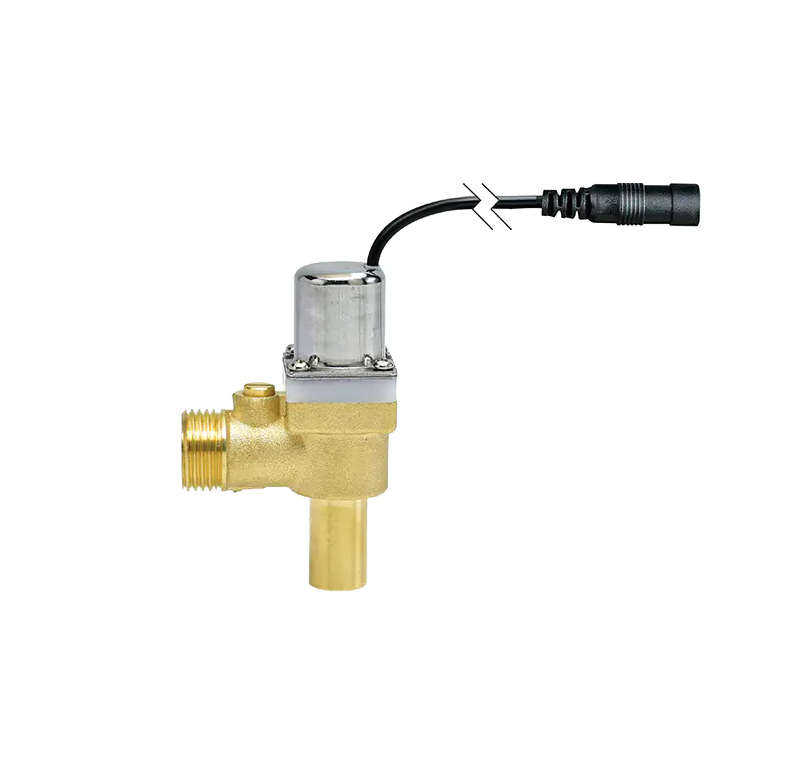
The Sanitary Ware Solenoid Valve and Latching Solenoid Valve are essential components in modern water control systems, often used in bathrooms, kitchens, and industrial plumbing networks. These valves provide precise control over water flow through an electric signal, replacing the need for manual switches or mechanical triggers. As smart home systems become more common, both valves have found new roles in automated sanitary equipment, improving water efficiency and user comfort.
Unlike traditional valves, which rely on constant mechanical pressure, the solenoid valve operates through an electromagnetic field that opens or closes a water passage when powered. The latching type takes this further by maintaining its state even after the electrical pulse stops, helping to conserve energy. This small technical distinction has made it a popular choice in battery-powered systems, such as automatic faucets or toilet flush mechanisms, where minimizing energy use is essential.
Manufacturers today design solenoid valves with corrosion-resistant materials and compact housings that fit easily within tight plumbing structures. For example, brass and stainless steel bodies are used for their durability, while internal seals are made of EPDM or FKM rubber to handle temperature changes and chemical exposure. The result is a balance of longevity and performance suitable for frequent use in commercial environments like hotels or public restrooms.
The integration of Sanitary Ware Solenoid Valve technology into smart bathroom solutions shows how functionality and design can coexist. These valves respond quickly to sensor signals, ensuring smooth water delivery without sudden pressure surges. For household use, this reduces the risk of leakage and prolongs the lifespan of connected fixtures such as faucets or showers. In large facilities, using latching versions helps optimize maintenance schedules by cutting down unnecessary power draw.
Recent developments in electronic control allow both valve types to be linked with central management systems. This makes it possible for building operators to monitor water usage and adjust pressure levels remotely. For water conservation projects, the data collected can help identify leaks or inefficiencies within the pipeline network.
 Italiano
 English
 Arabic
 French
 Spanish
 Portuguese
 Deutsch
 Turkish
 Dutch
Dutch
 Russian
 Romaian
 Portuguese (Brazil)
 Greek
Greek
