


 Ban & Monetization Policy
 MyLiveRoom Rewards Program Rules & Eligibility
Physiotherapy for Parkinson’s Disease: Restoring Balance and Control
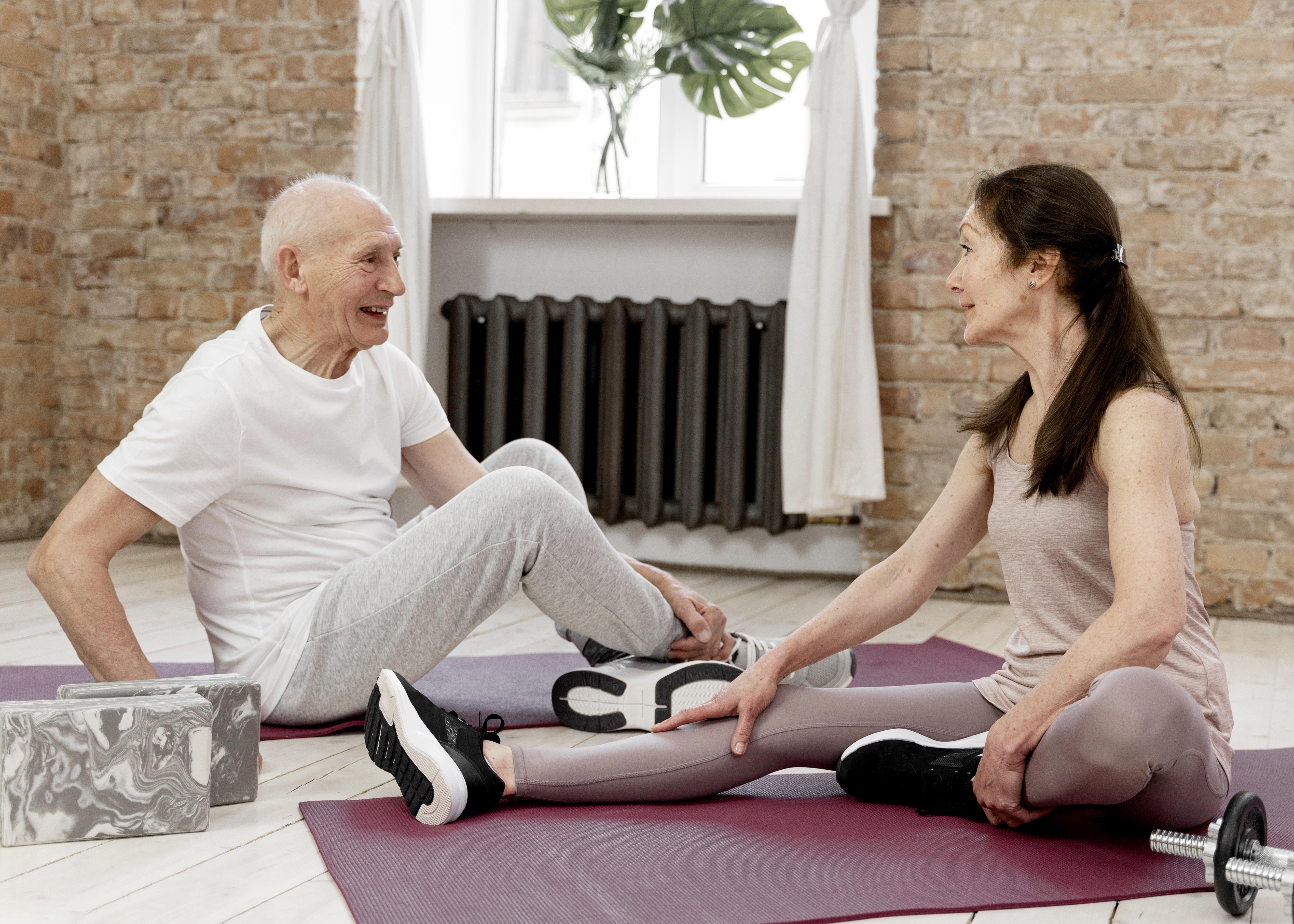
Parkinson’s disease affects how the body moves. It causes stiffness, tremors, and problems with balance. These symptoms can make everyday activities difficult, from walking across a room to getting dressed. But there’s hope. Physiotherapy offers proven ways to improve mobility, strength, and coordination in people with Parkinson’s.
Understanding Parkinson’s Disease
Parkinson’s is a progressive neurological disorder. It happens when brain cells that produce dopamine start to die. Dopamine helps control movement. When levels drop, muscles tighten, and body movements slow down. Over time, people may notice changes in walking patterns, speech, and posture.
While there’s no cure yet, treatment focuses on improving quality of life. Alongside medication, regular sessions with a physiotherapist Milton can make a big difference in maintaining function and independence.
Why Physiotherapy Matters
Physiotherapy plays a central role in Parkinson’s management. Movement retraining and targeted exercises help the body adapt to changes in muscle control. A registered therapist focuses on:
-
Improving balance and coordination
-
Reducing stiffness and rigidity
-
Enhancing posture and flexibility
-
Preventing falls and improving confidence
Research published in the Journal of Neurology shows that structured physiotherapy improves gait speed, strength, and endurance in people with Parkinson’s. It also reduces the risk of mobility loss.
How Physiotherapists Help
A skilled physiotherapist Milton starts by assessing how Parkinson’s affects your movement. They look at your balance, walking pattern, and flexibility. Then they build a plan tailored to your needs.
Common techniques include:
Gait Training
People with Parkinson’s often experience “freezing,” where movement suddenly stops mid-step. Therapists use rhythmic cues like counting or music to retrain walking patterns. This helps improve stride length and coordination.
Balance and Strength Exercises
Exercises that strengthen the core and legs improve stability. Balance training also reduces fall risk, one of the most common complications in Parkinson’s.
Stretching and Flexibility Work
Gentle stretching relieves muscle stiffness, especially in the neck, shoulders, and back. Flexibility helps make daily activities easier, like reaching or turning.
Posture Correction
Parkinson’s often leads to a stooped posture. Therapists teach posture awareness and core control to help maintain an upright position and prevent strain.
Task-Specific Practice
Physiotherapists simulate daily activities such as getting out of bed, walking through doorways, or climbing stairs. Practicing these movements restores confidence and independence.
Research-Backed Benefits
Studies from Movement Disorders Journal highlight that regular physiotherapy sessions lead to measurable improvements in motor function. Patients who participated in balance and gait training twice a week showed better walking ability and fewer falls over six months.
The reason is simple. Repetition and guided movement stimulate the brain’s motor pathways. This helps the nervous system adapt and retain functional control even as the disease progresses.
When to Start Physiotherapy
Starting early is key. Many people wait until symptoms worsen before seeking help. Early intervention with physiotherapy in Milton allows patients to build strength before movement becomes more difficult. It also helps them develop coping strategies to manage stiffness or tremors effectively.
Even those in later stages benefit from therapy. Regular sessions prevent secondary problems such as joint pain, muscle shortening, or posture-related strain.
What to Expect During Sessions
Sessions are usually active and tailored. You won’t just lie down for treatment. Expect to move, stretch, and practice tasks that matter in daily life. Therapists often combine:
-
Stretching routines
-
Functional exercises
-
Walking drills
-
Cueing techniques for rhythm and timing
Many clinics also include home exercise plans to maintain progress between sessions.
Why Choose Local Care
Seeking physiotherapy Milton means getting accessible and consistent care. Local experts understand the community’s needs and provide one-on-one attention. At trusted Milton physiotherapy clinics, therapists often work with neurologists and caregivers to design coordinated programs that support long-term results.
Living Better with Parkinson’s
Physiotherapy can’t reverse Parkinson’s, but it helps people live better with it. The focus is on maintaining control—over balance, movement, and independence. With consistent effort, even small improvements lead to big gains in daily life.
If Parkinson’s is affecting mobility, consider booking an assessment with a qualified physiotherapist Milton Ontario clinic.
 Spanish
 English
 Arabic
 French
 Portuguese
 Deutsch
 Turkish
 Dutch
Dutch
 Italiano
 Russian
 Romaian
 Portuguese (Brazil)
 Greek
Greek
