


 Ban & Monetization Policy
 MyLiveRoom Rewards Program Rules & Eligibility
Fire Retardant Liquid Performance in Temperature and Humidity
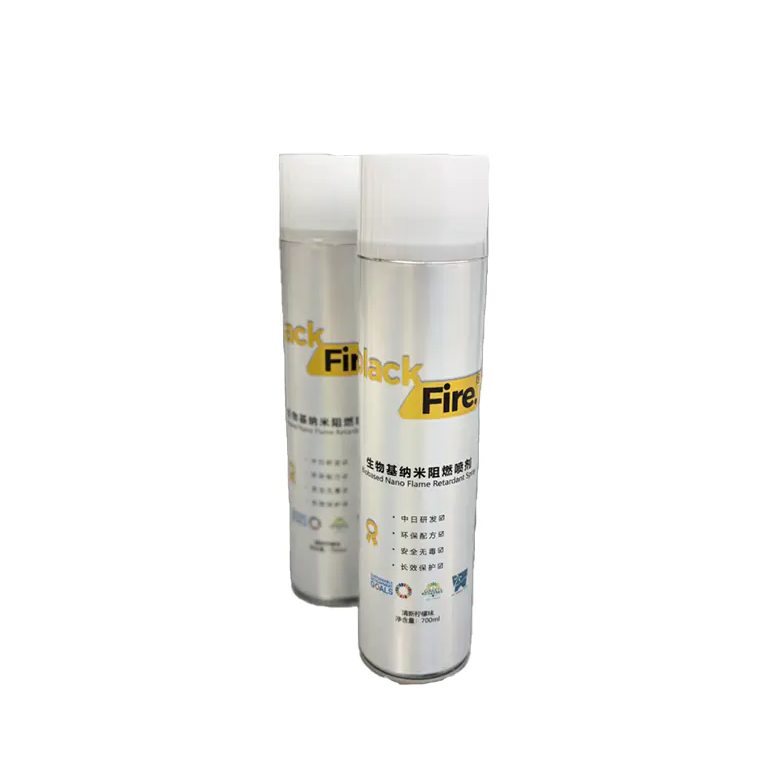
Introduction to Fire Retardant Liquid Stability
Fire Retardant Liquid is widely used in textiles, construction materials, and industrial applications to enhance flame resistance. Its effectiveness depends not only on the chemical formulation but also on its stability under various environmental conditions. Temperature fluctuations, high humidity, or prolonged exposure to moisture can affect the chemical structure and performance of Fire Retardant Liquid. Understanding how these factors influence stability is crucial for ensuring consistent flame-retardant performance and extending the lifespan of treated materials.
Temperature Effects on Stability
Temperature plays a significant role in the stability of Fire Retardant Liquid. High temperatures can accelerate chemical reactions, potentially leading to degradation of flame-retardant components. This may reduce the effectiveness of the liquid when applied to textiles or other substrates. Conversely, very low temperatures can cause crystallization, phase separation, or increased viscosity, making application difficult. To maintain stability, manufacturers often recommend storing Fire Retardant Liquid within a controlled temperature range and avoiding prolonged exposure to extreme heat or cold.
Humidity and Moisture Influence
Humidity and moisture can also impact Fire Retardant Liquid. Excessive water content in the environment may dilute or hydrolyze certain flame-retardant compounds, reducing their performance. In hygroscopic formulations, high humidity can lead to premature gelation or sedimentation, affecting application consistency. On the other hand, extremely low humidity may cause evaporation of volatile components, altering the concentration and potentially diminishing effectiveness. Proper packaging and storage, such as sealed containers and desiccants, help maintain the liquid’s stability in varying moisture conditions.
Formulation Strategies for Environmental Stability
To improve stability under diverse environmental conditions, Fire Retardant Liquid formulations often include stabilizers, anti-settling agents, and buffers. These additives prevent chemical degradation, phase separation, and sedimentation, ensuring that the flame-retardant properties remain consistent during storage and application. Additionally, selecting flame-retardant compounds with inherent thermal and hydrolytic stability enhances resistance to environmental stress. These formulation strategies are critical for products intended for outdoor use or regions with extreme climate variations.
Storage and Handling Practices
Proper storage and handling significantly contribute to maintaining the stability of Fire Retardant Liquid. Containers should be tightly sealed to prevent moisture ingress and contamination. Avoiding direct sunlight and storing in temperature-controlled environments reduces thermal degradation. Agitation or gentle stirring prior to application can help maintain uniformity, especially for formulations prone to settling. Following manufacturer guidelines for storage, handling, and shelf life ensures that the liquid retains its intended flame-retardant performance.
Conclusion
The stability of Fire Retardant Liquid under different temperature and humidity conditions is a key factor in its effectiveness. High temperatures, low temperatures, and varying humidity levels can influence chemical structure, viscosity, and flame-retardant performance. Through careful formulation, proper storage, and adherence to handling guidelines, manufacturers and users can maintain the stability of Fire Retardant Liquid and ensure reliable flame protection. Understanding environmental impacts on stability is essential for both industrial applications and long-term material safety.
 Italiano
 English
 Arabic
 French
 Spanish
 Portuguese
 Deutsch
 Turkish
 Dutch
Dutch
 Russian
 Romaian
 Portuguese (Brazil)
 Greek
Greek
