


 Ban & Monetization Policy
 MyLiveRoom Rewards Program Rules & Eligibility
Welding Acid Tankers with Only ER5356 Again
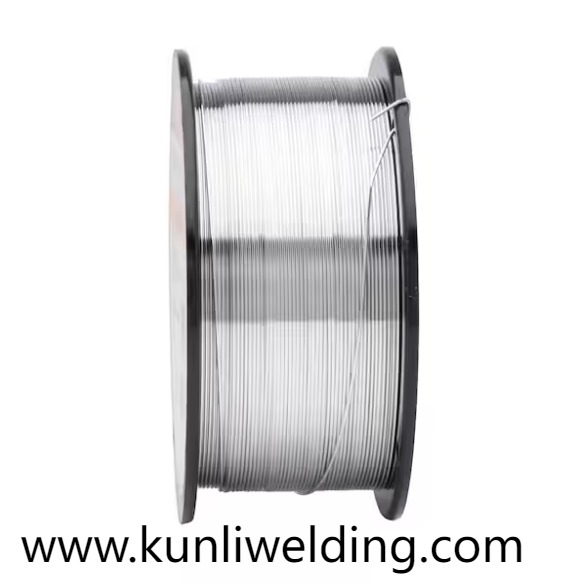
Rising fuel costs and stricter weight limits push chemical haulers toward aluminum tankers that save hundreds of kilograms per trip while resisting the cargoes they carry. Every barrel shell, head, and baffle spends its life swimming in aggressive liquids ranging from concentrated acids to hot asphalt and edible oils. The welds holding everything together become the first line of defense against leaks that can shut down a fleet overnight. Aluminum Welding Wire ER5183 has quietly become the specified filler on most new chemical and petroleum trailers for reasons that appear only after the first few thousand kilometers.
Circumferential and longitudinal barrel seams take the worst punishment. Constant flexing from road shock combines with chemical attack on the inside surface. Standard 5356 works fine on dry-freight trailers but begins pitting along the toe within months when exposed to acidic or sulfur-bearing cargoes. The slightly higher magnesium and tighter chemistry control in ER5183 raise resistance to both pitting and stress-corrosion cracking, keeping the inner shell bright far longer.
Food-grade tankers present the opposite challenge. Milk, juice, and cooking-oil trailers undergo aggressive wash cycles with caustic and acid cleaners every return trip. Welds must remain smooth and free of microscopic crevices that trap residue. The cleaner-burning ER5183 leaves mirror-like internal beads that rinse completely, satisfying inspectors who shine lights into every corner.
Hot-product trailers carrying asphalt or molten sulfur use 5454 base metal for elevated temperature strength. The filler must match or exceed that strength after welding or the shell distorts under vacuum during steam cleaning. ER5183 provides the necessary post-weld tensile values while maintaining ductility when the barrel cools rapidly after unloading.
Baffle and surge-plate welds see constant liquid sloshing. Petroleum trailers hauling gasoline or crude carry bottom water that attacks ordinary welds preferentially. The higher alloy content slows the formation of deep corrosion pits that eventually penetrate from inside. Operators report significantly longer intervals between internal inspections once they switch filler metals.
Manhole and sump assemblies create complex joints where cast rings meet rolled shell. Dissimilar thickness and heat sink differences invite cracking with lower-strength wires. ER5183 tolerates the rapid cooling rates and still delivers full penetration without hot tears, reducing repair calls before the trailer ever leaves the yard.
Jacketed trailers carrying temperature-sensitive chemicals add another layer. Steam or hot-oil jackets surround the inner shell, creating thermal cycles that accelerate corrosion fatigue. The weld metal must resist both the cargo inside and the heating medium outside. Field experience shows ER5183 joints stay intact long after standard filler begins flaking.
Repair shops welding patch plates on older tankers face the toughest test. Existing barrels often contain decades of corrosion products. New welds placed beside old ones suffer immediate galvanic attack unless the filler metal potential closely matches the aged shell. ER5183 minimizes that driving force and blends smoothly with whatever chemistry remains.
Fleet managers counting maintenance dollars notice the difference fastest. Trailers welded entirely with the higher-grade wire return from routes with clean inspection reports while mixed-filler units sit in the shop waiting for shell replacement. The small upfront difference in wire cost disappears against one avoided road call.
Fabricators building the next generation of lightweight chemical and petroleum trailers can see actual barrel sections and internal weld samples at kunliwelding.com. The site presents close-up photographs of circumferential seams, baffle attachments, and manhole reinforcements executed with Aluminum Welding Wire ER5183 on common tanker alloys. When the cargo itself becomes the enemy of ordinary welds, the practical examples and parameter guidance waiting at www.kunliwelding.com help builders deliver tankers that stay on the road longer and leak less often.
 Portuguese
 English
 Arabic
 French
 Spanish
 Deutsch
 Turkish
 Dutch
Dutch
 Italiano
 Russian
 Romaian
 Portuguese (Brazil)
 Greek
Greek
