


 Ban & Monetization Policy
 MyLiveRoom Rewards Program Rules & Eligibility
How Packaging Closures Influence Product Use
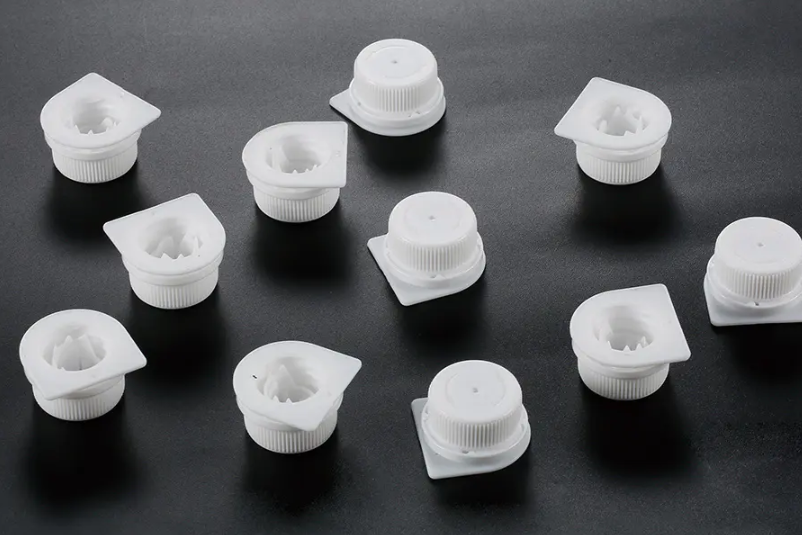
The widespread use of the Plastic Packaging Bottle Cap makes it a central component in many industries, while the adaptability of a Multi-Use Bottle Cap supports products that require repeated opening and controlled dispensing. Taizhou Tars International Trade Co., Ltd. participates in packaging projects where cap design contributes directly to performance, appearance, and user experience. The choice of closure influences product safety, handling, and storage, making it a practical topic across manufacturing sectors.
Designers start with how the cap interacts with the bottle. Thread configuration determines sealing strength and ease of use. Bottles filled with liquids are subject to vibration, movement, and pressure during transportation, so the closure must remain stable under such conditions. Torque specifications guide how tightly a cap can be applied without compromising usability.
Material considerations affect the cap’s long-term performance. Polypropylene offers flexibility and durability, supporting repeated usage. Some caps require modified resin blends to improve stiffness or increase resistance to chemicals. Taizhou Tars International Trade Co., Ltd. often assists buyers in comparing material properties when selecting caps for products such as detergents, oils, or personal care formulas.
Functional variations include screw caps, flip-top caps, spout caps, and child-resistant mechanisms. Flip-top closures support one-handed operation, while screw caps provide secure sealing during transport. Spout designs help regulate flow for thicker liquids or powdered products. Each type emphasizes different aspects of usability and requires precise molding techniques to ensure consistency.
Ergonomics affect how consumers interact with closures daily. Designers study grip comfort, rotational force, and surface texture, especially for products used in wet or slippery conditions. Smooth matte finishes appear frequently in cosmetic packaging, while ribbed patterns offer improved handling for household products.
Safety-driven industries require child-resistant or tamper-evident features. Child-resistant systems involve coordinated actions that require deliberate force, reducing accidental access. Tamper-evident bands show whether packaging has been opened since filling, offering reassurance for food and pharmaceutical items. Manufacturing these features requires accurately shaped bridges and consistent molding conditions.
Sustainability continues influencing cap development. Lightweight structures reduce material consumption, while single-material packaging systems support recyclability. Mold engineers adjust wall thickness and gating to achieve these goals. Taizhou Tars International Trade Co., Ltd. assists clients aiming to incorporate eco-conscious materials or implement packaging reduction strategies.
 Spanish
 English
 Arabic
 French
 Portuguese
 Deutsch
 Turkish
 Dutch
Dutch
 Italiano
 Russian
 Romaian
 Portuguese (Brazil)
 Greek
Greek
