


 Ban & Monetization Policy
 MyLiveRoom Rewards Program Rules & Eligibility
Stunning Poses for Bridal Portraits: A Practical Guide for Photographers
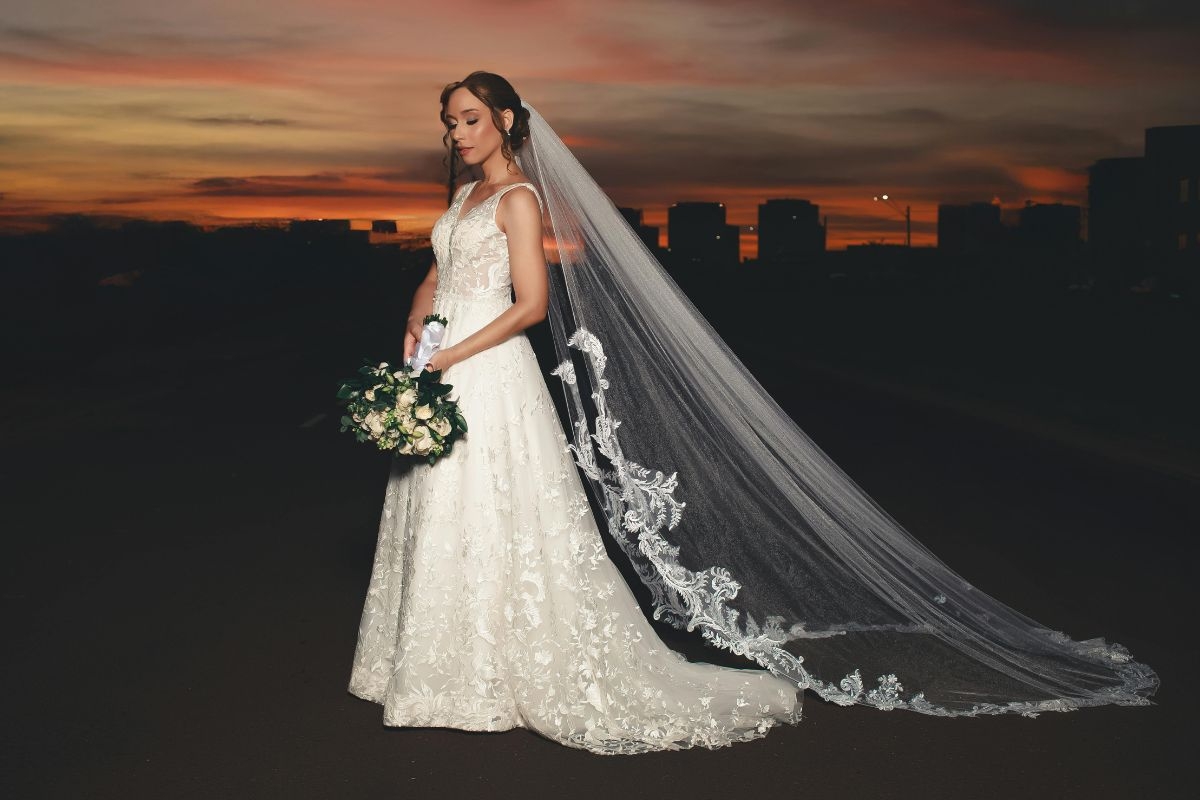
A bridal portrait should feel like a quiet celebration of who the bride is — her style, her mood, and the story she wants to carry into the wedding day. These solo portraits are more than wardrobe showcases: they’re an opportunity to capture personality, poise, and emotion in images that will be treasured for decades. This guide gives clear, practical posing ideas, lighting and composition tips, and workflow advice so a houston photographer (or any photographer) can create stunning, reliable bridal portraits every time. It also includes a short case study showing how B&A photography approached a modern bridal portrait session.
Start with a clear mood and story
Before you pose, decide what you want the portrait to say. Is it romantic and soft, bold and editorial, vintage and cinematic, or joyful and candid? The mood determines everything: pose choices, wardrobe, makeup, location, and lighting.
How to set the mood:
-
Discuss mood with the bride ahead of time and collect 3–5 reference images.
-
Choose a simple color and texture palette so the dress, hair, and background don’t compete.
-
Use one emotional anchor (e.g., contemplative, playful, confident) and let poses support that feeling.
Poses that flatter — fundamentals first
Good posing relies on a few simple rules that flatter most body types and look polished on camera.
-
Posture and spine
-
Keep the spine long; tuck the pelvis slightly to avoid slouching.
-
Encourage subtle shoulder differences — one shoulder forward, one back — to create depth.
-
Chin and jaw
-
Ask the bride to extend her neck very slightly and lower the chin a touch; that defines the jawline.
-
For a softer look, tip the chin down just a little and have her look slightly away from the camera.
-
Hands and fingers
-
Hands should be relaxed, fingers slightly separated.
-
Use props (bouquet, veil, chair) or hair touches to give hands a purpose and avoid stiffness.
-
Weight distribution
-
For standing poses, shift weight to the back leg — that makes the hips sit naturally and creates an elegant S-curve.
-
For seated poses, have the bride sit on the edge of a seat and bring one knee forward for posture and engagement.
Classic bridal portrait poses (with variations)
These poses form a dependable foundation and can be easily adapted for different moods.
-
The Three-Quarter Turn
-
Bride turns her body slightly away from the camera while keeping her face toward it. It slims the silhouette and looks timeless.
-
Variation: Add a soft smile or closed-eyes moment for intimacy.
-
The Over-the-Shoulder Look
-
Bride looks back toward the camera over one shoulder. This highlights the neckline and any back detail on the gown.
-
Variation: Play with light on the shoulder or let the veil drape for movement.
-
Seated Elegance
-
Use a simple chair or window seat. One hand in lap, the other touching the veil or cheek.
-
Variation: Angle the knees toward the camera for a relaxed, editorial vibe.
-
Veil Embrace
-
Wrap the veil partially around the bride’s shoulders and face for a soft, romantic portrait.
-
Variation: Capture a candid laugh while she adjusts the veil for natural energy.
-
The Power Pose
-
Feet hip-width, hands on hips or one hand on waist, chest lifted. This conveys confidence and modern bridal style.
-
Variation: Combine with dramatic lighting for an editorial edge.
-
Profile Portrait
-
Full side profile with a simple background highlights bone structure and hair details.
-
Variation: Use rim light to outline the profile and add separation from the background.
Using light to enhance poses
Light changes mood more than almost any other tool. A houston photographer can use natural and artificial light to sculpt the face and gown.
-
Soft window light: Ideal for romantic, timeless looks. Place the bride at a 45-degree angle to the window for flattering shadows.
-
Backlight with rim light: Create a halo effect around the veil or hair; perfect for ethereal portraits.
-
Short lighting: Light the side of the face away from the camera to slim features; great for classic portraits.
-
Fill flash or reflector: Use to reduce harsh shadows and keep skin tones even, especially in high-contrast outdoor scenes.
Composition and framing tips
-
Use negative space intentionally — allow the dress or veil to breathe in the frame.
-
Try a mixture of tight headshots, mid-length, and full-length frames to give variety.
-
Place the bride off-center (rule of thirds) for editorial compositions, or use centered framing for strong, iconic portraits.
-
Pay attention to lines — architectural elements and horizon lines can support the pose or distract, so compose carefully.
Wardrobe and styling details that matter
-
Encourage simple accessories that won’t overpower the dress — earrings, a delicate necklace, or a floral pin.
-
Pay attention to straps, zippers, and hems; small adjustments can change how a pose reads on camera.
-
Suggest minimal jewelry changes for varied looks in one session (e.g., with veil, without veil).
Posing for different body types — respectful, effective tweaks
-
For petite brides: Use higher camera angles slightly above eye level to elongate.
-
For curvier brides: Create waist definition with hand placement and weight shifts; avoid full frontal poses without an angled torso.
-
For tall brides: Full-length, dramatic poses can emphasize elegance; incorporate seated poses for variety.
Directing for natural expression
-
Give simple, actionable directions rather than abstract prompts. Instead of “look romantic,” say, “think of the last time you couldn’t stop laughing together.”
-
Use small physical prompts — a gentle tug on the veil, a step toward the window — to create natural movement.
-
Alternate between posed and candid moments; real smiles often appear in the transition.
Workflow: efficient and client-friendly session structure
-
Start with quick warm-up shots to relax the bride and test light.
-
Move through 3–4 core poses, each with slight variations and different focal lengths.
-
Check images with the bride occasionally on the camera screen to confirm she likes the direction.
-
Finish with a creative or dramatic shot the bride will remember.
Case study: A bridal session by B&A photography
B&A photography, a trusted houston photographer known for reliable and elegant bridal work, photographed a bridal-only session for a client named Elena. She wanted timeless, natural portraits with editorial touches.
Approach:
-
Pre-session consultation to choose three moods: soft, confident, and joyful.
-
The team selected a sunlit indoor location with a large window and a small courtyard for backlit shots.
-
B&A photography used a 35mm for candid, full-length movement, a 50mm for natural mid-portraits, and an 85mm for tight, emotive headshots.
-
They started with soft window light, moved to a veil-backlit portrait, and finished with a bold power pose against a neutral wall.
Results:
-
Elena received a cohesive gallery showing range: classic bridal headshots, romantic veil portraits, and confident editorial images.
-
The efficient, results-driven workflow gave Elena a relaxed experience and a set of high-performance images that fit her personality and wedding aesthetic.
-
B&A photography’s well-experienced posing direction and user-friendly session pacing were praised in her review.
Final tips and pitfalls to avoid
-
Avoid over-posing: too many stiff instructions produce unnatural photos. Aim for small tweaks.
-
Don’t overcrowd the set: limit assistants to essential helpers so the bride feels calm.
-
Keep the session length reasonable — 45–90 minutes depends on styling changes and the number of looks.
-
Bring backup gear, batteries, and a change of lens to maintain a smooth, predictable session.
Closing thoughts
Bridal portraits are an opportunity to create images that feel deeply personal and timeless. By combining clear mood-setting, the fundamentals of flattering posing, thoughtful lighting, and a structured workflow, a houston photographer can deliver portraits that feel both beautiful and authentic. Whether the bride wants a soft romantic series or a bold editorial set, the right posing choices and gentle direction make the difference between a snapshot and an image that becomes a family heirloom.

 English
 French
 Spanish
 Portuguese
 Deutsch
 Turkish
 Dutch
Dutch
 Italiano
 Russian
 Romaian
 Portuguese (Brazil)
 Greek
Greek
