


 Ban & Monetization Policy
 MyLiveRoom Rewards Program Rules & Eligibility
Why Log Cabin Rotten Log Repair Is About More Than Just Wood Replacement
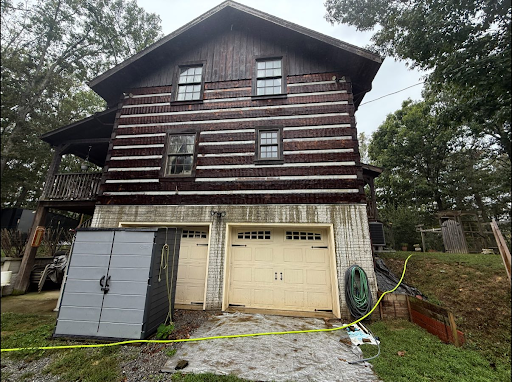
People hear “rotten log” and think it’s a simple swap. Pull out the bad wood. Slide in a new piece. Seal it up. Done.
That’s not how it works. Not even close.
Log cabin rotten log repair is one of those things that looks straightforward until you’re standing there with a pry bar, soft wood crumbling in your hands, wondering how deep the damage actually goes. And it almost always goes deeper than you expected.
This isn’t just carpentry. It’s diagnosis. It’s restraint. It’s understanding why the log failed in the first place, not just fixing what’s visible.
Rot Is a Symptom, Not the Real Problem
Rot doesn’t show up for no reason. Logs don’t just decide to quit one day.
Water finds a way in. Always does. Poor drainage, failed chinking, splashback from roof lines, bad flashing, soil piled too high against the wall. Sometimes all of the above. You replace a rotten log without addressing that, and you’ve basically scheduled the same repair again in five or ten years.
That’s why real log cabin rotten log repair starts with slowing down. Looking. Poking around where you don’t want to. Checking adjacent logs. Checking sill courses. Checking corners, because corners love to hide problems.
And yeah, sometimes the rot looks small. Just a soft edge. But wood rot doesn’t respect boundaries. If moisture has been there long enough, it spreads sideways, upward, inward. It’s patient.
You’re Working With a Moving Structure
Here’s the part people don’t think about. Log cabins move. They settle. They shrink. They swell. They twist with the seasons.
When you pull out a rotten section, you’re interrupting a system that’s been adjusting itself for decades. You can’t just jam new wood in and hope it behaves. The replacement log has to match the original species, density, moisture content, and profile as closely as possible.
If it doesn’t, you’ll see it later. Gaps opening. Chinking cracking. Doors that suddenly stick when it rains. Windows that won’t close in January.
Good repair work respects the movement. Leaves room for it. Plans for it. That’s experience talking, not theory.
Structural Integrity Comes First, Always
Some rotten logs are cosmetic. A porch log. A trim course. An exposed end that took too much weather. Others are holding up your entire wall.
Sill logs, lower wall logs, corner stacks, those aren’t optional. If one of those fails, the load transfers somewhere else, and that “somewhere else” probably wasn’t designed for it.
During log cabin rotten log repair, temporary support matters. Jacking the structure the right way matters. Taking too much weight off can cause its own problems. Taking too little leaves you fighting the log the whole time.
This is where rushed work gets dangerous. And expensive.
Matching the Old, Not Making It Look New
One of the biggest mistakes I see is trying to make the repair invisible by making it perfect. Bright, clean wood slapped into a wall that’s been aging gracefully for 40 years. It stands out like a sore thumb.
A proper repair blends in. Not immediately, but over time. The cuts follow the original joinery style. The face is shaped to match the hand-hewn or milled texture. The stain is adjusted, not guessed at.
And no, it won’t match on day one. That’s okay. It shouldn’t. Cabins tell their story in layers.
Where Interior Design Quietly Comes Into Play
This part surprises people, but it matters. A lot.
The interior design of log cabins is tied directly to how repairs are approached. Interior finishes, wall coverings, built-ins, even furniture placement can hide or reveal stress points in the logs.
Sometimes a rotten section on the outside lines up with interior moisture issues. A bathroom wall. A kitchen sink run. A window seat that trapped condensation for years. Ignoring the inside while fixing the outside is a half-repair.
And when logs are replaced, interior surfaces often need adjustment. Trim gets re-fit. Drywall seams shift. Chinking lines change slightly. A good repair respects the inside as much as the outside, even if no one ever notices it consciously.
That’s the goal, actually. For no one to notice.
It’s About Longevity, Not Just Today’s Fix
Anyone can replace wood. That’s the easy part.
The harder part is deciding how much to replace and how much to preserve. Cut too much, and you lose original material you didn’t need to. Cut too little, and rot keeps spreading behind your shiny new log face.
Experienced repair work lands in the uncomfortable middle. Conservative, but thorough. Careful, but decisive.
And it includes prevention. Redirecting water. Improving drainage. Adjusting roof runoff. Reworking chinking details. Sometimes recommending things homeowners don’t want to hear, like moving landscaping or changing how a deck ties into the cabin.
Those conversations matter more than the saw work.
This Is Craft, Not a Patch Job
Log cabins aren’t standard houses. They weren’t built that way, and they shouldn’t be repaired that way either. Every notch, every joint, every log course tells you something about how the cabin was built and how it’s aged. Ignoring that context leads to repairs that fight the structure instead of working with it. That’s why people search for log cabin contractors near me in Winchester, Virginia when the work matters. Log cabin rotten log repair done right feels slower. It is slower. More measuring. More staring. More second-guessing before the first cut. But the result holds. Decades, not years.
Conclusion: The Wood Is Just the Beginning
If you take one thing from this, let it be this. Rotten log repair isn’t about wood replacement. That’s just the visible part.
It’s about moisture control. Structural balance. Respecting movement. Preserving character. Understanding how the cabin lives and breathes through seasons, storms, and time.
Do it right, and the repair disappears into the story of the cabin. Do it wrong, and you’ll be back out there sooner than you think, asking why the same log failed again.
 French
 English
 Arabic
 Spanish
 Portuguese
 Deutsch
 Turkish
 Dutch
Dutch
 Italiano
 Russian
 Romaian
 Portuguese (Brazil)
 Greek
Greek
