


 Ban & Monetization Policy
 MyLiveRoom Rewards Program Rules & Eligibility
Shock Absorber Inspection Checklist for Car Owners
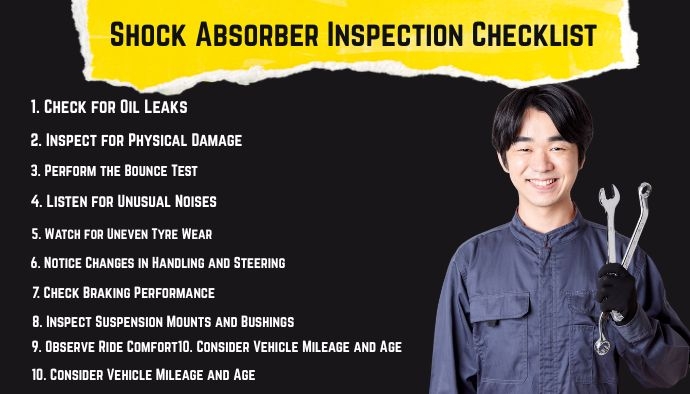
Shock Absorber Inspection Checklist for Car Owners
A well-maintained suspension system keeps your car stable, safe, and comfortable. Shock absorbers play a key role in controlling bounce, keeping tyres in contact with the road, and improving braking. Many car owners ignore early warning signs because problems develop slowly. This shock absorber inspection checklist will help you spot issues early and avoid costly repairs later.
Why Shock Absorber Inspection Matters
Shock absorbers reduce vibration and control how your car reacts to bumps, corners, and sudden braking. When they wear out, your car may feel unstable, especially at higher speeds. Regular checks improve road safety, tyre life, and overall driving comfort. Following a simple shock absorber inspection checklist can save money and keep your car performing well.
Shock Absorber Inspection Checklist for Car Owners
Below is a step-by-step guide you can follow at home or discuss with a professional during servicing.
1. Check for Oil Leaks
Look closely at the shock absorber body behind each wheel.
- Any oily or greasy marks mean the seal is damaged
- Leaking fluid reduces the damping ability
- Even small leaks are a warning sign
Fluid leaks are one of the clearest signs of failing shocks and should never be ignored.
2. Inspect for Physical Damage
Visually inspect for:
- Dents or cracks on the shock body
- Bent mounts or brackets
- Rust or corrosion, especially in older vehicles
Damage often occurs from potholes, rough roads, or accidents. Physical wear can reduce shock absorber performance quickly.
3. Perform the Bounce Test
This is a simple test any car owner can do:
- Push down hard on the front or rear of the car
- Release and watch how it reacts
If the car bounces more than two times before settling, the shocks may be worn. A healthy suspension should return to normal smoothly.
4. Listen for Unusual Noises
During daily driving, pay attention to sounds such as:
- Clunking noises over bumps
- Knocking sounds when turning
- Rattling from the suspension area
These noises often point to worn shock absorbers or loose suspension components.
5. Watch for Uneven Tyre Wear
Worn shock absorbers affect tyre contact with the road.
Check for:
- Cupping or scalloping on tyres
- Uneven tread wear patterns
Poor shock performance causes tyres to bounce, leading to faster and uneven wear. This increases tyre replacement costs.
6. Notice Changes in Handling and Steering
Your car should feel stable and predictable. Warning signs include:
- The car is pulling to one side
- Poor steering response
- Excessive body roll during turns
If handling feels loose or unstable, it’s time to review your shock absorber inspection checklist carefully.
7. Check Braking Performance
Faulty shocks increase stopping distance.
You may notice:
- Nose-diving when braking
- Longer stopping times
- Loss of control during emergency braking
Shock absorbers help keep tyres firmly on the road while braking, improving safety.
8. Inspect Suspension Mounts and Bushings
Shock absorbers rely on mounts and rubber bushings.
Look for:
- Cracked or worn rubber
- Loose mounting bolts
- Metal-on-metal contact
Even if the shock absorber is fine, worn mounts can reduce effectiveness and create noise.
9. Observe Ride Comfort
Comfort issues are often overlooked.
Signs include:
- Harsh ride on small bumps
- Excessive vibration inside the cabin
- Feeling every road imperfection
Comfort problems usually indicate reduced shock absorber performance.
10. Consider Vehicle Mileage and Age
Most shock absorbers last between 80,000 to 100,000 kilometres, depending on driving conditions.
- City driving with potholes causes faster wear
- Heavy loads or towing increase stress
- Older vehicles need more frequent inspections
Mileage-based checks should always be part of your shock absorber inspection checklist.
When to Take Action
If you notice multiple signs from this checklist, delaying repairs can affect tyres, brakes, and suspension parts. Timely shock absorber replacement improves control, safety, and ride quality.
Professional shock absorber services ensure correct installation, proper alignment, and balanced suspension performance.
Final Thoughts
Shock absorbers are vital for vehicle safety, yet many drivers only notice problems when handling becomes unsafe. Following this shock absorber inspection checklist helps car owners identify early signs of wear, reduce long-term repair costs, and maintain smooth driving performance. Regular visual checks, attention to driving behaviour, and timely professional inspections can make a big difference. If issues are found, consulting a trusted car mechanic in Adelaide ensures the suspension system is checked properly and your vehicle stays safe, stable, and comfortable on every journey.
 Deutsch
 English
 Arabic
 French
 Spanish
 Portuguese
 Turkish
 Dutch
Dutch
 Italiano
 Russian
 Romaian
 Portuguese (Brazil)
 Greek
Greek
