


 Ban & Monetization Policy
 MyLiveRoom Rewards Program Rules & Eligibility
How MBBS in Egypt Prepares Students for Global Medical Practice
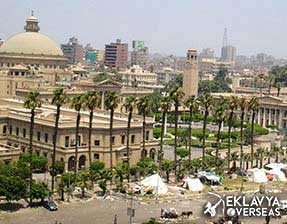
Pursuing an mbbs in Egypt for Indian students has become a highly practical and academically meaningful choice for those who want strong medical education, deep clinical exposure, and the confidence to practice medicine anywhere in the world. Egypt has emerged as a serious medical education destination not because of marketing hype, but because of its robust academic system, globally recognized curriculum, and disciplined hospital training. Medical universities in Egypt focus on shaping students not only into doctors with knowledge, but into professionals who can work confidently in diverse healthcare environments across countries. The journey of studying MBBS in Egypt is structured in such a way that it naturally builds competence, adaptability, clinical maturity, and global readiness.
A Curriculum Designed to Match International Medical Standards
One of the biggest strengths of MBBS education in Egypt is its globally aligned curriculum. Egyptian universities follow an advanced medical education model that focuses on foundational sciences in the early years and progressive clinical immersion in later years. Subjects such as anatomy, physiology, pathology, pharmacology, biochemistry, and microbiology are taught in depth, ensuring strong conceptual clarity. Medical education is not approached superficially; instead, students are required to understand mechanisms, disease processes, and clinical relevance.
This academic structure aligns closely with medical education systems of India, the Middle East, Europe, and several Asian countries. As a result, students trained in Egypt find it easier to prepare for global licensing examinations including FMGE/NExT in India, PLAB in the UK, USMLE in the USA, and other licensing pathways. The academic foundation developed in Egyptian universities gives students the confidence to sit for challenging competitive exams.
Strong Hospital Training and Real-World Clinical Exposure
Egypt is known for its extensive hospital-based medical training. Government and university-attached hospitals receive a very high volume of patients daily, covering a diverse range of medical conditions, surgical cases, emergency situations, and chronic illnesses. This natural patient exposure provides students with firsthand experience of real healthcare situations rather than limited or simulated learning.
From participating in ward rounds and observing surgeries to learning diagnostic interpretation and interacting with patients under supervision, students gradually build confidence. By the time they enter their internship phase, they have already experienced hands-on learning in multiple departments. This prepares them for countries where medical practice is demanding, fast-paced, and responsibility-driven. Doctors trained in Egypt are used to managing busy hospital environments, which becomes a major advantage globally.
Emphasis on Clinical Reasoning Over Rote Learning
Medical education in Egypt emphasizes clinical thinking rather than memorization. Professors encourage students to analyze symptoms, correlate clinical findings with theory, and understand why a certain diagnosis or treatment is chosen. This methodical thinking builds strong diagnostic capability and reduces dependency on guesswork. Students learn to make structured medical judgments, which is essential for safe medical practice anywhere in the world.
Global medical practice today demands doctors who can understand complexities, justify medical decisions, and adapt to evolving treatment standards. Egyptian medical training naturally prepares students in this direction by developing problem-solving ability and disciplined reasoning.
Professional Discipline and Ethical Medical Practice
Egyptian medical colleges maintain a disciplined and responsible academic culture. Attendance, professionalism, punctuality, and ethical conduct are taken seriously. Students are trained to respect patients, follow hospital protocols, maintain confidentiality, and adhere to professional boundaries. These values form the backbone of medical ethics worldwide.
This culture shapes students into doctors who understand the seriousness of their profession. When graduates enter medical systems abroad, they carry with them this disciplined mindset, making them reliable and trusted healthcare professionals. The ability to work ethically and responsibly is one of the reasons Egyptian MBBS graduates perform well internationally.
Language Adaptability and Communication Skills
While MBBS is taught primarily in English, students also gain exposure to basic Arabic communication during their clinical years. Learning to interact with patients in another language builds exceptional communication skills. It teaches students patience, empathy, listening ability, and clarity of expression. These skills are universally valued in healthcare systems worldwide.
Doctors practicing globally require effective communication to handle multicultural patients. Egyptian-trained students already develop comfort with multilingual environments, which helps them integrate seamlessly in various countries.
Research Orientation and Academic Depth
Many Egyptian universities encourage students to participate in medical research, clinical studies, and academic discussions. Exposure to research promotes evidence-based medical thinking, a key aspect of global medicine. Students learn to critically evaluate medical literature, understand clinical trial relevance, and rely on scientific conclusions rather than assumptions.
This research-friendly environment enhances their competence in international academic standards and prepares them well for postgraduate medical pathways or specialization abroad.
Internship That Builds Real-Time Medical Capability
The compulsory internship in Egypt is an essential phase where theory transforms into medical confidence. Students rotate through major departments including medicine, surgery, pediatrics, obstetrics and gynecology, orthopedics, emergency medicine, and more. They observe, assist, and perform supervised clinical duties.
This experience strengthens their ability to handle patients independently later in their career. Internship in Egypt is rigorous yet deeply rewarding, shaping doctors who are confident, adaptable, and capable of functioning in complex healthcare systems across the world.
Affordability Without Compromising Educational Quality
A major reason many Indian and international students choose Egypt is its balance between educational quality and affordability. Tuition fees and cost of living are significantly lower compared to many Western countries. However, what makes Egypt distinct is that lower cost does not mean lower standard. Students receive advanced education, modern medical infrastructure, and strong training without financial strain — making global medical dreams achievable for many families.
Safety, Cultural Comfort, and Student-Friendly Environment
Egypt offers a welcoming environment for international students. Universities provide structured support through international student departments, safe accommodation, and guidance in documentation. Cultural warmth, respectful society, and a student-friendly lifestyle ensure emotional comfort along with academic progress. When students feel secure and supported, they can focus better on studies and skill development.
Conclusion
MBBS education in Egypt is not just about earning a degree; it is about building a doctor who is knowledgeable, clinically confident, ethically grounded, and globally adaptable. Through its strong curriculum, extensive hospital exposure, disciplined training, multilingual communication experience, research involvement, and structured internship, Egypt shapes medical graduates who are ready to step into healthcare systems anywhere in the world. For students who dream of becoming competent and globally recognized doctors, Egypt offers an academic journey that transforms ambition into assured ability.
 Dutch
Dutch
 English
 Arabic
 French
 Spanish
 Portuguese
 Deutsch
 Turkish
 Italiano
 Russian
 Romaian
 Portuguese (Brazil)
 Greek
Greek
