


 Ban & Monetization Policy
 MyLiveRoom Rewards Program Rules & Eligibility
Essential Guide to Painting Tools: What You Need for Every Project
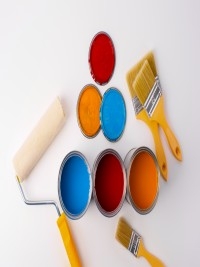
Whether you’re refreshing a room with a new coat of color or tackling a full-house renovation, choosing the right painting tools can make all the difference between a messy, frustrating job and a smooth, professional-looking finish. Painting is one of the most rewarding home improvement projects — but it involves more than brushes and paint cans. Knowing which tools to use, when to use them, and how they affect your results will help you work smarter, save time, and avoid unnecessary mistakes.
This article breaks down the most important painting tools available, explains their purpose, and offers practical tips for using them effectively. The goal is to educate and empower you — whether you’re a weekend DIYer or preparing for a larger task.
Why the Right Painting Tools Matter
Before diving into specific tools, it’s important to understand why they matter. Painting well isn’t just about what paint you choose — it’s about how you apply it. Good painting tools help you:
-
Achieve even coverage
-
Cut clean lines without smudges
-
Prepare surfaces effectively
-
Work safely and efficiently
High-quality painting tools reduce frustration and waste. For example, using a proper paint roller instead of a flimsy one means fewer streaks and better control over paint distribution on walls and ceilings. Even simple items like painter’s tape and drop cloths contribute to a cleaner, more enjoyable project.
Core Painting Tools for Every Job
Here’s a breakdown of the essential painting tools you should consider for any painting project — from surface preparation through final touches.
1. Paint Brushes
Paint brushes are among the most basic yet critical painting tools. They come in a range of shapes and sizes, each suited to a specific task:
-
Flat brushes cover large, flat areas efficiently.
-
Angled brushes are ideal for edges, trim and corners where precision is key.
-
Round brushes and specialty shapes help with curves and detailed work.
The bristles may be natural or synthetic; natural bristles tend to hold more paint for oil-based applications, while synthetic bristles are durable and work well with water-based paints. Using the right brush minimizes visible brush marks and ensures clean application on trim and molding. Forbes
2. Paint Rollers and Covers
Once brushes handle edges and detail, paint rollers take over for larger surface coverage. A paint roller consists of a roller frame and a roller cover (or nap) that absorbs and distributes paint evenly. Wikipedia
Here’s how rollers help:
-
cover walls and ceilings faster than brushes
-
provide a smooth, uniform finish on large surfaces
-
work with different nap thicknesses depending on wall texture (smooth to textured)
Selecting the right roller cover nap length is important: shorter naps are better for smooth interior walls, while longer naps hold more paint on rougher or exterior surfaces. Forbes
3. Paint Trays and Liners
Rollers need a place to access and evenly load paint. Paint trays hold your paint and typically feature a textured slope that helps remove excess paint from the roller, preventing drips and uneven application. They’re simple yet indispensable.
Some painters also use disposable liners that fit inside trays, saving cleanup time while protecting the tray itself.
4. Painter’s Tape
One of the most useful painting tools for achieving professional results is painter’s tape. This masking tape is designed to protect areas you do not want to paint — such as baseboards, window frames, or ceiling edges — and can be removed cleanly without damaging surfaces. nipponpaint
Apply tape carefully and press down edges to prevent “paint bleed,” ensuring crisp, clean lines.
5. Surface Preparation Tools
Good results start before the first drop of paint. Preparing the surface ensures better paint adhesion and a longer-lasting finish.
Key preparation tools include:
-
Scrapers or putty knives: Remove loose paint or old finishes and help apply spackling compound to fill holes, cracks, or imperfections. house painting
-
Sandpaper and sanding blocks: Smooth and level surfaces before painting. Different grits are suited to rough preparation or fine finishing. Hemlock
-
Wire brushes: For tougher prep jobs like removing rust or stubborn, flaking paint. Wikipedia
Sanding and scraping are often skipped by beginners, but they are essential steps if you want a smooth and durable result.
6. Protective Materials: Drop Cloths & Covers
Painting is messy — and protecting your floors, furniture, or fixtures will save you cleanup time and stress. Drop cloths come in canvas or plastic; canvas options are heavier, reusable, and less slippery, while plastic is affordable and disposable. NoBroker
Cover items you want to keep paint-free and keep the job area orderly. This reduces distractions and helps you focus on the painting itself.
7. Extension Poles and Ladders
Reaching high walls and ceilings can be physically demanding without the right tools. Extension poles attach to roller frames so you can cover more surface area without constantly moving ladders. Homes and Gardens
When ladders are necessary, ensure they are stable and appropriate for your height. Avoid overreaching — it’s both inefficient and unsafe.
Advanced Painting Tools for Bigger Projects
For more complex jobs — or for those looking to speed up application — additional tools can elevate your results.
-
Paint Sprayers: Powerful tools that atomize paint into a smooth mist, enabling extremely fast coverage. Ideal for exterior siding, fences, or large interior walls. Homes and Gardens
-
Edgers and Shields: These help create sharp lines around trim without relying solely on tape. They’re especially useful if you paint frequently or want very precise lines. NoBroker
-
Sanding machines or power sanders: For extensive sanding jobs, power options save time and effort. Hemlock
Practical Tips for Painting Success
Having the right painting tools is only part of the equation. Here are some practical tips to improve your workflow:
✔ Plan Your Paint Quantities
Before buying tools or starting, measure your surfaces so you know how much paint you’ll need. This avoids mid-project runs to the store and prevents costly waste.
✔ Prepare Surfaces Thoroughly
Clean, scrape, and sand surfaces before painting. Paint adheres better to a sound foundation, improving durability.
✔ Keep Tools Clean
Paint dries quickly on brushes and rollers. Clean tools immediately after use to extend their life and performance.
✔ Use Quality Tools
Investing in decent brushes and rollers pays off. Higher-quality tools lay down paint more evenly and are easier to control.
Frequently Asked Questions (FAQs)
1. What basic painting tools do I need for a DIY home project?
At minimum, you should have paint brushes, a paint roller and tray, painter’s tape, sandpaper, scrapers/putty knives, and protective drop cloths.
2. How do I choose the right paint brush?
Choose only as many brushes as you need for the job; typically a large flat brush for broad areas and an angled brush for trim and edges. Bristle type should match the paint you’re using.
3. When should I use a paint sprayer instead of a roller?
Paint sprayers are ideal for large surfaces or exterior projects where speed matters. They require more prep to protect surrounding areas from spray mist.
4. Do I really need to sand before painting?
Yes — sanding smooths surfaces, removes old flakes, and helps paint adhere better. Skipping this step can lead to peeling or an uneven finish.
5. How can I protect surfaces I don’t want painted?
Use painter’s tape and reliable drop cloths. Apply tape carefully and remove it while paint is still slightly wet for the cleanest lines.
 French
 English
 Arabic
 Spanish
 Portuguese
 Deutsch
 Turkish
 Dutch
Dutch
 Italiano
 Russian
 Romaian
 Portuguese (Brazil)
 Greek
Greek
