


 Ban & Monetization Policy
 MyLiveRoom Rewards Program Rules & Eligibility
Using Images for Influencer Research
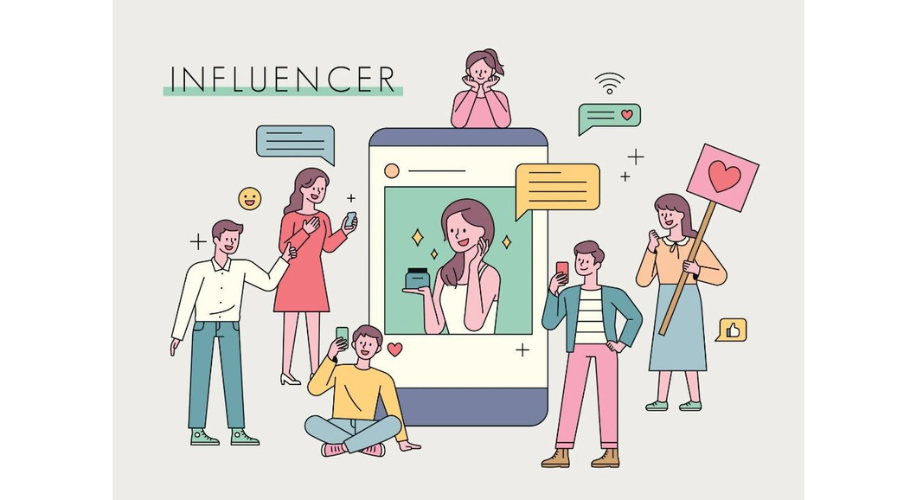
A Visual-First Approach to Choosing the Right Influencers
Influencer research has moved far beyond checking follower counts and scrolling through captions. Images are where most of the real signals live. A single post can tell you how someone frames a product, what kind of audience they attract, whether the content feels authentic, and how consistently they show up. When you learn to read images with purpose, you stop guessing and start choosing creators with clearer confidence.
This blog focuses on practical ways to use images for influencer research. You will learn how to analyze visual style, audience fit, brand safety, product integration, and performance clues that appear in the content itself. The goal is to help you pick influencers who match your brand and deliver content you can actually use.
Why Images Matter in Influencer Research
Images are the first thing people notice, and they often shape trust faster than text. Visual content also travels across platforms more easily, which means the same creator may look different on Instagram, TikTok thumbnails, Pinterest pins, and brand decks. When you research through images, you understand what the influencer truly produces, not just what they claim to represent.
Images show the real content quality
You can quickly see if the creator understands lighting, composition, and product placement. This matters because your brand will appear inside that frame. A creator with clean, consistent visuals usually delivers assets you can repurpose for ads, landing pages, or email creatives.
You also learn whether their quality is repeatable. One great photo can be a lucky day, but a strong grid or consistent feed shows process and discipline. That reliability is important when campaigns need multiple deliverables.
Images reveal audience fit in a natural way
You can often spot who the content is made for just by looking. The settings, outfits, props, and lifestyle cues signal age range, interests, and spending habits. Even before you read comments, the visual world tells you whether the influencer lives in the same space as your target customer.
This is especially helpful when the influencer has a broad follower base. Images help you check if your product belongs in their everyday context and whether their audience would see it as a natural match.
Images expose brand alignment and tone
Every brand has a visual language, even if it is informal. Influencers also develop visual habits like color palettes, posing styles, backgrounds, and editing. Reviewing this through image search techniques makes it easier to spot alignment before deeper analysis.
Images help you evaluate consistency and professionalism
Consistency shows up in more than posting frequency. It appears in how often a creator uses clear framing, how they maintain style across weeks, and how they treat sponsored content versus organic content. If their sponsored posts look rushed or different, it can weaken results.
Images also reveal whether they follow basic partnership expectations. You can often see if they include products clearly, respect brand guidelines, and present information in a clean way without looking like an ad.
Images capture context that metrics cannot
Metrics may tell you a post reached people, but images tell you what people actually saw. You can judge if the product was visible, if the value was communicated visually, and if the content would stop someone while scrolling. Those details affect conversions, not just impressions.
This context is useful when you plan deliverables. If you want close ups, tutorials, or lifestyle scenes, you can check if the influencer already creates those formats well.
Building a Visual Research Process
A good research process saves time and reduces bias. Instead of relying on first impressions, you build a repeatable way to review images and compare creators. This makes it easier to justify selections to your team and helps you pick the right fit for different campaign goals.
Start with a clear campaign visual goal
Before you look at influencer images, define what you need. You might want clean product shots, casual day in the life content, bold fashion looks, or tutorial style visuals. When the goal is clear, your research becomes focused.
This also helps you avoid choosing a creator just because their feed looks nice. Aesthetic alone is not a strategy. The visuals must support the type of story you want the campaign to tell.
Create a simple visual checklist
A checklist helps you evaluate each influencer the same way. Focus on elements like clarity of product display, lighting, editing style, background clutter, and whether the content feels natural. Keep the checklist short so it stays usable.
As you review, take quick notes on patterns. If an influencer repeatedly shows strong framing and clear product use, that is a sign they can deliver on a brief. If you see repeated issues, it will likely appear again during a campaign.
Review enough posts to see patterns
Do not judge based on the most recent three posts. Some creators have seasonal themes or experiment with new formats. Look at a wider range so you understand what is typical. This is especially important for sponsored posts since they may differ from organic content.
When possible, look at content across at least a few weeks or months. You want to see whether quality stays stable and whether the creator can keep a consistent style under different conditions.
Compare creators side by side
Visual research becomes clearer when you compare. When you view creators in isolation, everything can look good. When you compare side by side, differences appear quickly in lighting, framing, and product integration.
This approach is also useful for budget decisions. If two creators have similar engagement, images can reveal who produces more usable assets for your brand, which can change the value calculation.
Document visual evidence for decisions
Teams often ask why one influencer was chosen over another. Screenshots and short notes make decisions easier to communicate. You can highlight visual reasons like stronger product visibility, cleaner background, or better lifestyle fit.
Documentation also helps later when you review campaign results. You can connect performance back to content style and learn what works for your brand over time.
Analyzing Visual Style and Brand Fit
Visual style is more than aesthetics. It is how a creator communicates mood, lifestyle, and credibility. When you research images, you are checking whether their style supports your brand and whether their content will look right in your paid or owned channels.
Look for a consistent visual identity
A consistent identity means the influencer has a recognizable look. This can be a certain lighting style, similar framing, repeating locations, or a steady editing approach. Consistency helps audiences trust the creator and recognize their posts quickly.
For brands, consistency also means predictable deliverables. You can brief the influencer and expect something in their usual style, which often performs better than a sudden change.
Evaluate editing and realism
Editing is normal, but you should understand how heavily the influencer edits. Some creators use strong filters, heavy smoothing, or dramatic color shifts. That may or may not fit your brand. The key is whether the product looks true to life and whether the overall feel matches your customer expectations.
If your brand values natural visuals, look for creators who keep textures and colors realistic. If your brand is bold and artistic, a stronger edit style may fit better.
Study color palette and composition
Color palette matters because it affects how your product appears. A creator who always shoots in warm tones might make your cool toned packaging look different. Composition matters because it decides what the viewer notices first, and whether the product has enough presence.
Notice how they balance the frame. Some creators place products clearly without making the image feel like a catalog. That balance is valuable because it keeps content authentic while still delivering brand visibility.
Check settings, props, and lifestyle cues
The environment is part of the message. A kitchen counter, gym, travel scene, or home office each signals a different lifestyle. Props also signal spending level and interests. These cues can help you decide if the influencer matches your audience.
If your product is premium, the settings should support that impression. If your product is everyday and accessible, overly styled luxury settings might create a mismatch in perception.
Match visual tone to campaign message
Tone can be playful, calm, energetic, clean, or dramatic. Images communicate tone quickly through facial expressions, motion blur, colors, and background activity. You want that tone to support your message.
For example, a wellness brand may prefer calm, airy visuals. A streetwear brand may want bold, urban scenes. This match helps the content feel natural rather than forced.
Finding Product Placement and Authentic Integration
One of the biggest risks in influencer campaigns is content that looks like an ad in the wrong way. Images can help you predict whether a creator can integrate products smoothly, show benefits clearly, and make sponsorship feel like a natural part of their content.
Identify how the influencer holds and shows products
Look at how often the product is visible and whether it is shown clearly. Some influencers hide products in the background or hold them in a way that blocks labels. Others know exactly how to make the product easy to notice without being overly staged.
Also check variety. A creator who can show a product from different angles, distances, and situations gives you more useful content. That variety helps when you need multiple posts or want assets for different channels.
Look for real usage moments
Lifestyle images can be beautiful, but usage moments often sell. A skincare product in someone’s hand mid routine, a snack being opened, or a fitness tool being used tells a clearer story. These moments are powerful because they help viewers imagine themselves using the product.
When researching, note whether the influencer naturally includes these moments. It suggests they understand how to demonstrate value visually.
Review past sponsored content images
Sponsored images tell you a lot about how the influencer handles brand work. Look for clarity, effort, and whether the sponsorship fits their feed. If their sponsored posts look rushed or awkward, you may face the same issue.
Also notice whether they respect brand presentation. If the product is always out of focus or cropped, it can reduce impact. A creator who handles sponsorship with care often performs better.
Check balance between product and personality
The best influencer images usually keep the creator at the center while giving the product a clear role. Too much product focus can feel like an ad, and too little can make the brand invisible. Good creators find a middle ground.
During research, notice whether the influencer’s personality still comes through in sponsored visuals. That is a sign the content can feel authentic and still deliver brand goals.
Spot storytelling through sequences and sets
Some influencers post single images, while others create mini stories through carousels or series. Story sets can be more persuasive because they show context, steps, and results. They also offer more frames where the product can appear.
If your campaign needs education or transformation, creators who use sequences well may be a better fit than those who only post posed shots.
Using Images to Understand the Audience and Engagement
Audience fit is not only about demographics. It is about whether viewers relate to the visuals and whether the content invites interaction. Images can show how people respond and whether a creator’s community feels active and aligned with your brand.
Look for audience cues in the comment section photos reference
Even though you are focusing on images, you can still use comments as clues about what viewers noticed in the image. Many comments mention outfits, locations, routines, or products shown. That tells you what the audience values.
When people ask where something is from or how something works, it suggests the image sparked interest. That kind of curiosity can be useful for product discovery campaigns.
Check if the content invites saves and shares
Some images are designed for quick likes, while others encourage saving. Examples include informative visuals, before and after frames, or step by step routines. You can often tell if an image is useful rather than only pretty.
Creators who regularly make save worthy images can perform well for brands that want longer lasting impact. Even without exact save metrics, you can infer usefulness from the structure and style of the content.
Evaluate relatability through everyday scenes
Relatable content often happens in normal settings with a natural vibe. If the influencer always posts in staged studio like environments, it may feel less relatable for some audiences. That is not wrong, but it should match your product and goals.
Look for moments that feel like real life. Those scenes often create stronger trust, especially for products that depend on daily use and repeat purchases.
Notice how people are represented in the imagery
If the influencer includes friends, family, or community in images, you can learn a lot about audience dynamics. Group shots, events, and collaborations can show social proof and help you understand the influencer’s network.
It also helps you predict whether your product could be shown in social settings. Some categories like food, fashion, and travel benefit from this kind of context.
Assess engagement quality through visual prompts
Some creators use visual prompts like holding a question card, showing options, or creating a comparison image. These methods encourage followers to respond. When images are designed with interaction in mind, engagement can be more meaningful.
If your campaign needs comments or community participation, creators who visually invite responses can be a strong choice.
Turning Image Insights into Better Influencer Shortlists
Once you learn to read images well, the next step is using those insights to create shortlists that are practical. You want creators who fit your brand and can deliver content that works across channels. Images help you get there without relying on numbers alone.
Score influencers on a visual fit system
A simple scoring approach helps remove guesswork. You can rate visual quality, brand alignment, product integration skill, and audience fit. This makes it easier to compare creators and justify decisions.
Keep the scoring lightweight so it does not become a burden. The goal is clarity, not complexity. Over time, your team will learn what scores lead to the best results.
Build separate lists for different campaign roles
Not every influencer needs to do everything. Some creators are best for clean product visuals. Others are best for storytelling and lifestyle. Some are best for tutorials. Images help you categorize creators by what they can deliver.
This allows you to mix creators in a campaign. You can combine tutorial creators with aesthetic creators and get a fuller content package.
Use images to plan briefs and deliverables
When you shortlist an influencer, you can reference their strongest image styles in the brief. If they are great at close ups, ask for a few. If they excel at day in the life sets, include that format. This keeps the brief aligned with what they already do well.
It also reduces back and forth. Influencers work faster when the brand brief fits their natural workflow. Better fit usually leads to better content.
Anticipate repurposing opportunities
Some influencer images are easy to repurpose because they have clear composition and product visibility. Others are more personal and harder to reuse. During research, identify which creators can produce assets that work beyond the original post.
If you want to use content in ads, look for clean backgrounds, readable product shots, and frames that leave space for text overlays. These details can matter later when you scale a campaign.
Keep a living library of visual examples
Over time, collect examples of influencer images that worked well for your brand and those that did not. This becomes a training tool for your team and a reference for future research. It also helps you spot patterns faster.
A visual library is useful when onboarding new team members or briefing agencies. It turns individual opinions into shared standards.
Conclusion
Using images for influencer research is a practical skill that improves with repetition. When you focus on visuals, you see the creator’s real output, not just their stats. You learn how they frame products, what lifestyle they represent, how consistent their quality is, and whether their audience context matches your brand.
If you build a simple visual process, analyze style and fit, study product integration, and turn those insights into structured shortlists, your influencer choices become clearer and more effective. Images are not just content, they are evidence. When you treat them that way, influencer research becomes less about guesswork and more about smart selection.
If you want, I can also write a second version of this blog tailored to a specific niche like beauty, fashion, fitness, food, tech, or travel while keeping the same structure and writing rules.
 Deutsch
 English
 Arabic
 French
 Spanish
 Portuguese
 Turkish
 Dutch
Dutch
 Italiano
 Russian
 Romaian
 Portuguese (Brazil)
 Greek
Greek
