


 Ban & Monetization Policy
 MyLiveRoom Rewards Program Rules & Eligibility
How to Maintain Your MIG Welder for Long-Term Performance
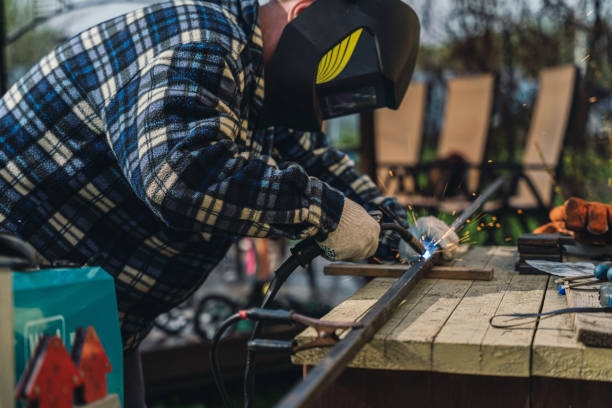
Let us be honest for a second. Most of us fire up the welder, lay down a bead, feel proud of the spark show, and then walk away thinking the job is done. We rarely think about the machine itself. Funny thing is, the better care we give our welder, the better our welds turn out. From clean beads to smooth starts, solid maintenance plays a huge role in improving mig welding techniques and keeping frustration away.
So grab a coffee, pull up a chair, and let us talk about how to keep that MIG welder running strong for years.
Keep It Clean… Seriously Clean
Welding is messy. Spatter flies everywhere, dust settles, and metal shavings sneak into places they should not be. Over time, all that buildup hurts performance.
After each session, we should wipe down the welder body and cables. Check the vents too. If they clog up, airflow drops, heat builds up, and components wear faster. A small brush or compressed air works great here. Nothing fancy.
And the gun tip… do not ignore it. Spatter buildup inside the nozzle messes with gas flow. That leads to ugly welds and weak joints. Clean it often, even if it feels annoying. That small habit saves a lot of trouble later.
Check the Wire Feed System Often
Ever notice the wire stuttering or feeding unevenly? Yeah, we have all been there. Most times, it is the wire feed system crying for attention.
Inspect the drive rollers and liner. Dust and rust flakes love to hide there. Clean them out gently. Also, make sure the roller tension is right. Too tight and the wire gets crushed. Too loose and it slips. Neither helps your weld.
Using quality wire helps too. Cheap wire can kink, flake, and clog the liner faster. Spending a little more here usually saves time and stress down the road.
Mind the Contact Tips and Nozzles
Contact tips wear out faster than most people expect. They deal with heat, friction, and electrical load all at once. Over time, the hole widens, current transfer gets sloppy, and arc stability suffers.
We should check tips regularly and replace them before they fail mid-weld. Same goes for nozzles. Cracks or heavy spatter buildup mess with shielding gas coverage. And poor gas coverage leads to porous welds. Nobody wants that.
Protect the Cables and Connections
Cables take a beating. They get dragged, bent, and sometimes stepped on. Over time, that abuse adds up.
Look for cracks, exposed wires, or loose connections. A damaged cable does not just affect performance… it can be dangerous. Tighten connections, especially the ground clamp. A weak ground causes arc problems that make even simple welds feel impossible.
And when we store the welder, let us coil cables neatly. No sharp bends. No heavy stuff on top. Simple care goes a long way.
Keep an Eye on Gas Flow
Shielding gas is easy to forget… until welds start looking rough. Check hoses for leaks and cracks. Make sure fittings are snug but not over-tightened.
It also helps to double-check gas flow settings once in a while. Too much gas wastes money. Too little invites contamination. A smooth, steady flow keeps the weld pool happy and predictable.
Store It Like You Care
Where we store the welder matters. Moisture is not your friend. Damp garages lead to rust, corrosion, and electrical issues over time.
If possible, keep the welder covered and off the floor. Even a simple cover blocks dust and moisture. That extra step protects internal parts and keeps things ready for the next project.
Build Maintenance into Your Routine
Here is the truth… maintenance does not need to be a big event. A few minutes after each job makes all the difference. Wipe, inspect, clean. Done.
When we treat our welder like a long-term partner instead of a disposable tool, it pays us back with steady performance and fewer headaches. Plus, good maintenance fits right into smart workshop habits and even ties nicely into diy home improvement efficiency hacks that save time, money, and energy around the shop.
Take care of the machine, and it will take care of your welds. Simple as that.
 Dutch
Dutch
 English
 Arabic
 French
 Spanish
 Portuguese
 Deutsch
 Turkish
 Italiano
 Russian
 Romaian
 Portuguese (Brazil)
 Greek
Greek
