


 Ban & Monetization Policy
 MyLiveRoom Rewards Program Rules & Eligibility
What Makes the Everest Expedition the Pinnacle of Adventure Travel
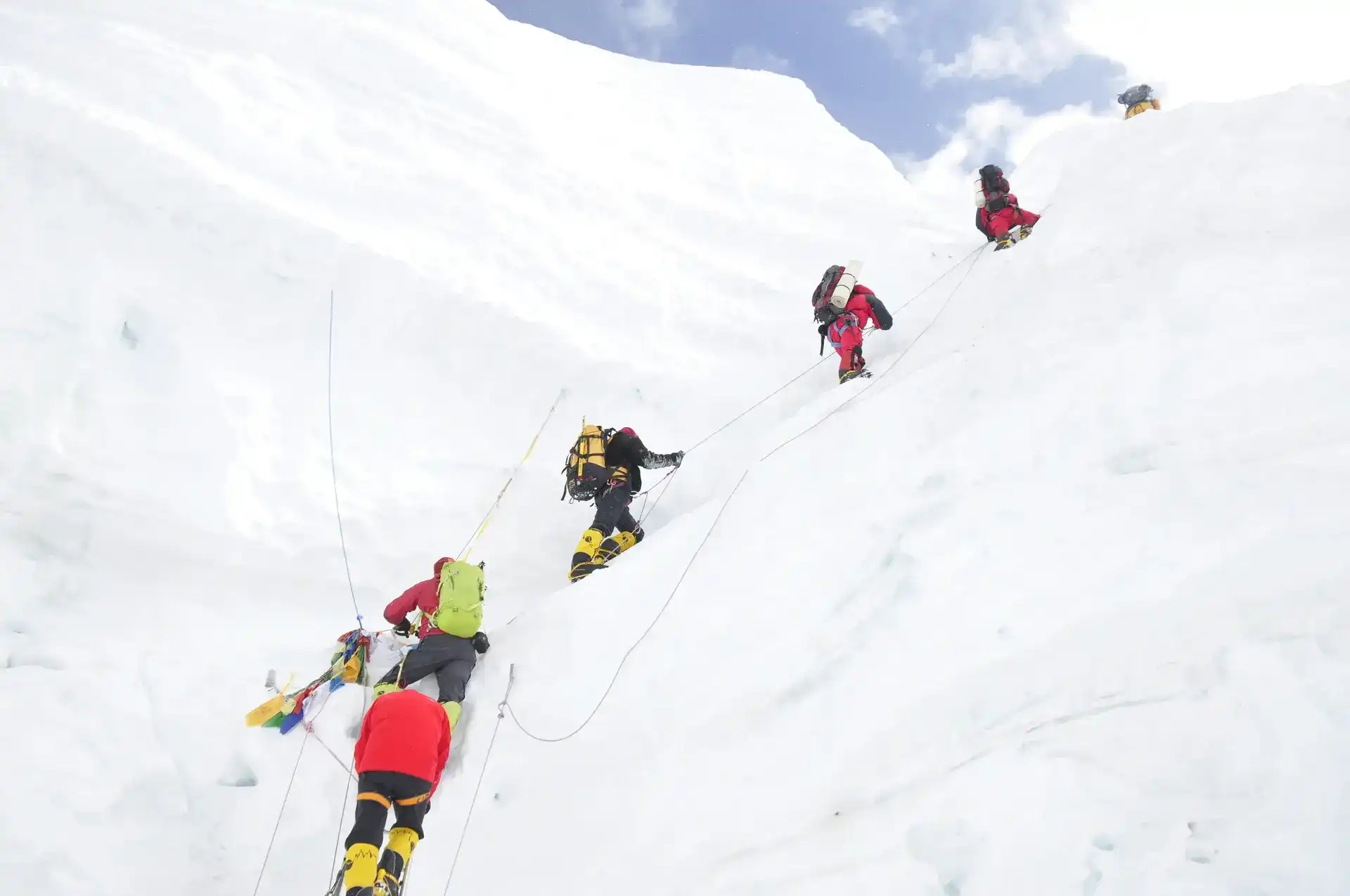
Imagine standing on the roof of the world, surrounded by towering peaks, glaciers, and endless sky. The everest expedition is the ultimate adventure for thrill-seekers and mountaineers alike. This journey is more than just a trek; it is a test of endurance, courage, and determination. From breathtaking landscapes to cultural encounters, the Everest Expedition offers an experience like no other.
Why the Everest Expedition is Legendary
The Everest Expedition is famous for its iconic destination—Mount Everest, the highest peak on Earth at 8,848 meters (29,029 feet). Trekkers and climbers from around the world attempt this expedition for the thrill, the challenge, and the opportunity to witness some of the most stunning landscapes on the planet.
Beyond the peak itself, the journey takes you through the Khumbu region, home to Sherpa communities, Buddhist monasteries, and vibrant local culture. Every step offers panoramic views of peaks such as Lhotse, Nuptse, Ama Dablam, and Cho Oyu, making the expedition a visual feast.
Trek Statistics at a Glance
The Everest Expedition typically requires 60–70 days, including preparation, acclimatization, and the climb itself. The total distance trekked and climbed varies depending on the route, but most climbers cover approximately 130–150 kilometers from Lukla to the summit and back.
The highest point is, of course, the summit of Mount Everest at 8,848 meters (29,029 feet). Trekkers pass through multiple high-altitude camps, including Base Camp at 5,364 meters (17,598 feet), Camp I, Camp II, Camp III, and Camp IV. Daily trekking distances range from 6 to 15 kilometers, depending on the terrain and acclimatization needs.
Starting the Journey: Lukla to Everest Base Camp
Most expeditions begin with a flight to Lukla, a small mountain town with a famous airstrip. From here, trekkers follow the Everest Base Camp Trail, passing through picturesque villages like Phakding, Namche Bazaar, and Tengboche.
The trail takes you along rivers, forests, and suspension bridges, offering glimpses of snow-capped peaks from the very first day. Namche Bazaar, often called the gateway to Everest, is a bustling town where trekkers acclimatize, explore local markets, and enjoy stunning views of Thamserku and Kongde Ri.
Walking Through Villages and Cultural Highlights
The trek is not just about mountains; it is also a journey through Sherpa culture. Villages along the route, such as Dingboche, Pheriche, and Lobuche, feature traditional stone houses, mani walls, and prayer flags fluttering in the wind.
Buddhist monasteries, like Tengboche Monastery, offer opportunities to learn about local spiritual practices and join in prayer rituals. These cultural encounters enrich the expedition, making it more than just a physical challenge.
Reaching the High Camps and Summit Attempt
After acclimatization at Everest Base Camp, climbers begin their ascent through the Khumbu Icefall, Western Cwm, and Lhotse Face, reaching higher camps along the way. Each stage is challenging, with crevasses, steep climbs, and thin air testing physical and mental limits.
The final push to the summit is the most demanding. Climbers start before dawn, facing sub-zero temperatures, strong winds, and extreme altitude. Reaching the summit of 8,848 meters rewards all the effort with unmatched panoramic views and the sense of achieving the impossible.
Tips for a Successful Everest Expedition
-
Proper acclimatization is essential – Follow rest days and climb gradually to prevent altitude sickness.
-
Train rigorously – Physical preparation, including cardio, strength, and endurance training, is critical.
-
Pack wisely – Thermal layers, climbing gear, oxygen supplies, and high-energy food are necessary.
-
Hire experienced guides – Sherpa guides provide expertise, support, and safety.
-
Respect the environment and culture – Avoid littering, follow trails, and honor local customs.
Why the Everest Expedition is the Ultimate Adventure
The Everest Expedition combines extreme challenge, awe-inspiring natural beauty, and cultural richness. It is a journey that tests your limits and rewards you with memories that last a lifetime. From the vibrant Sherpa villages to the icy slopes of the Khumbu, every step of this expedition is unforgettable.
For adventurers seeking the pinnacle of adventure travel, the Everest Expedition is not just a trek or climb—it is a life-changing journey to the top of the world.
 Spanish
 English
 Arabic
 French
 Portuguese
 Deutsch
 Turkish
 Dutch
Dutch
 Italiano
 Russian
 Romaian
 Portuguese (Brazil)
 Greek
Greek
