


 Ban & Monetization Policy
 MyLiveRoom Rewards Program Rules & Eligibility
When Do Cryogenic Applications Need Special Wire Grades?
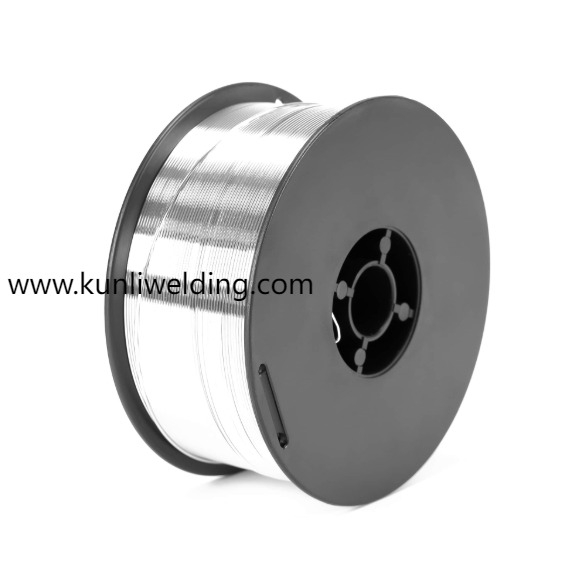
Standard aluminum welding wire grades handle the majority of fabrication tasks across general manufacturing environments, delivering reliable performance for common aluminum alloys and typical joint configurations. However, certain applications present challenges that push beyond the capabilities of conventional filler materials, creating situations where specialized compositions become necessary. Aluminum Welding Wire Manufacturers develop these advanced formulations to address specific performance gaps that standard grades cannot adequately resolve, though determining when these specialized products justify their additional cost requires careful evaluation of project requirements.
Cryogenic service conditions represent one scenario where specialized filler materials demonstrate clear advantages over standard options. Equipment operating at extremely low temperatures demands materials that retain toughness and ductility when exposed to thermal extremes that would embrittle conventional alloys. Standard welding wires adequate for ambient temperature applications may develop susceptibility to brittle fracture when subjected to cryogenic environments. Specialized compositions formulated specifically for low temperature service maintain mechanical properties throughout the temperature range, ensuring safety and reliability in liquefied gas storage, superconducting equipment, and aerospace applications involving cryogenic fuels.
Elevated temperature applications create different challenges requiring alternate material solutions. Structures exposed to sustained high temperatures experience creep deformation where materials gradually elongate under constant stress. Standard aluminum alloys lose strength rapidly as temperatures climb, limiting their usefulness in heat exposed applications. Specialized high temperature filler materials incorporate alloying elements that improve creep resistance and maintain mechanical properties at elevated temperatures, enabling aluminum use in applications previously limited to heavier metals.
Corrosion environments with aggressive chemical exposure sometimes exceed the protective capabilities that standard aluminum alloys provide. While aluminum generally exhibits good corrosion resistance through its natural oxide layer, specific chemical exposures can attack this protection. Marine environments with salt spray, industrial atmospheres containing acidic pollutants, or direct chemical contact in processing equipment may require specialized filler materials formulated for enhanced corrosion resistance. These advanced compositions modify the alloy chemistry to improve resistance against specific corrosive agents that would degrade joints made with standard welding wire.
Dissimilar metal joining presents metallurgical complexities that standard filler materials may not adequately address. Welding aluminum to copper, steel, or titanium creates galvanic couples and differential thermal expansion issues requiring specialized transition filler materials. These unique compositions bridge the gap between dissimilar metals, minimizing galvanic corrosion potential while accommodating thermal expansion differences that would otherwise generate destructive stresses in the joint.
Color matching requirements after anodizing occasionally necessitate specialized wire selections when visual consistency matters throughout an assembly. Standard filler materials may produce noticeable color variations after surface treatment, creating cosmetic issues in architectural, consumer products, or decorative applications. Aluminum Welding Wire Manufacturers offer compositions specifically formulated to minimize color differentiation following anodizing processes, ensuring visual uniformity across welded assemblies.
Crack sensitive base materials benefit from specialized low melting point filler alloys that reduce thermal stress during solidification. Some aluminum casting alloys exhibit high hot cracking susceptibility when welded with standard filler materials due to wide solidification temperature ranges and thermal contraction stresses. Specialized filler compositions with lower melting points and narrower solidification ranges minimize cracking tendency, enabling successful repair and fabrication with problematic base materials.
Regulatory compliance in nuclear, aerospace, or food processing industries sometimes mandates material specifications beyond what standard commercial grades provide. These specialized applications require documented material traceability, enhanced purity levels, or specific mechanical property guarantees that general purpose welding wires may not satisfy. Specialized grades manufactured under controlled conditions with rigorous testing protocols meet these stringent requirements.
Cost benefit analysis should guide decisions about specialized wire adoption. While these advanced materials command premium pricing, the alternatives might involve using heavier metal substitutes, implementing complex post weld treatments, or accepting reduced performance that shortens service life. Comprehensive material selection guidance and specialized aluminum welding wire options are available at www.kunliwelding.com for applications requiring advanced filler material performance.
 Deutsch
 English
 Arabic
 French
 Spanish
 Portuguese
 Turkish
 Dutch
Dutch
 Italiano
 Russian
 Romaian
 Portuguese (Brazil)
 Greek
Greek
