


 Ban & Monetization Policy
 MyLiveRoom Rewards Program Rules & Eligibility
Process Consistency Challenges with Dreamcap and Helicap Designs
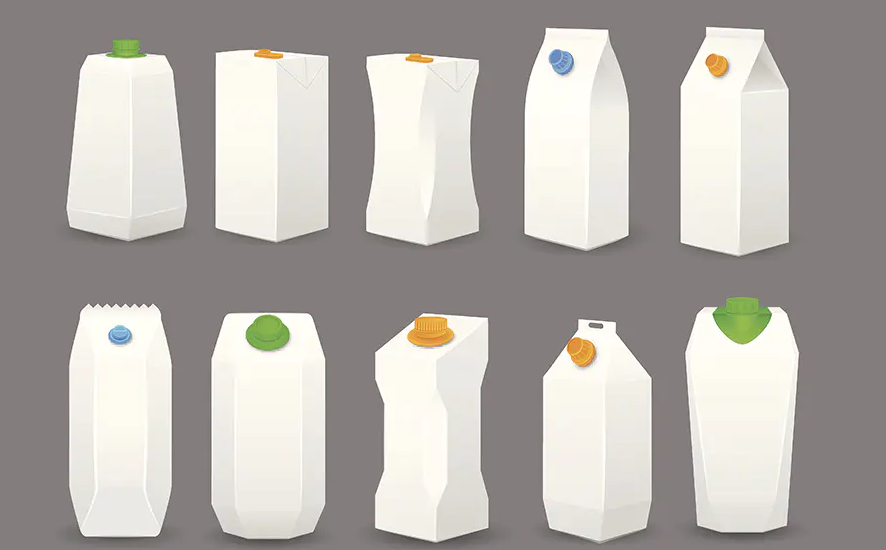
In closure manufacturing discussions, Dreamcap and Helicap often serve as reference points when examining how design intent translates into large-scale production. While both closure types address sealing requirements, their manufacturing pathways reveal different priorities related to tooling, material flow, and quality consistency. Understanding these factors helps explain why each design remains relevant across diverse packaging systems.
Dreamcap and Helicap closures are typically produced through injection molding, a process that allows detailed control over geometry and surface finish. However, the way each design interacts with this process differs based on structural complexity and functional expectations. These differences influence tooling decisions, cycle times, and inspection standards.
Dreamcap manufacturing generally emphasizes streamlined mold design. Cavities are often configured to support rapid filling and uniform cooling, reducing internal stress within the molded part. This approach aligns with high-output environments where minimizing cycle variation is important for maintaining stable production schedules.
Gate placement and material flow paths are optimized to ensure consistent wall thickness across the cap body. By avoiding abrupt transitions, manufacturers reduce the likelihood of sink marks or warping. Such considerations help Dreamcap closures maintain predictable dimensions, which is essential for compatibility with standardized container necks.
Helicap production introduces additional considerations due to its helical thread geometry. Precise machining is required to ensure thread accuracy and smooth engagement. Even minor deviations can affect rotational behavior, making tooling precision a central focus during setup and maintenance.
Cooling strategies must also account for thread depth and curvature. Uneven cooling can lead to dimensional variation along the helical path, potentially affecting closure performance. Manufacturers often address this by refining mold temperature control rather than altering the core design.
Material selection strategies further distinguish Dreamcap and Helicap production. Common thermoplastics are chosen based on balance between stiffness, flexibility, and chemical compatibility. For Dreamcap closures, materials that support dimensional stability during rapid molding cycles are often preferred.
Helicap designs may require materials with slightly enhanced flow characteristics to ensure accurate thread formation. Additives can be introduced to improve mold release or surface consistency, though these adjustments are typically subtle and application-specific.
Recycled material integration is another consideration gaining attention. Both Dreamcap and Helicap systems can accommodate certain levels of recycled content, provided material properties remain within acceptable ranges. This requires careful monitoring of melt flow and mechanical behavior during production.
Maintaining process consistency remains a shared challenge. Variations in raw material batches, ambient conditions, or machine settings can influence closure quality. Manufacturers rely on standardized inspection methods, such as dimensional measurement and torque testing, to identify deviations early.
Rather than focusing on visual perfection, quality assessments prioritize functional outcomes. Closures must engage smoothly, seal effectively, and maintain integrity during handling. When deviations occur, adjustments are often made at the process level rather than through redesign.
 French
 English
 Arabic
 Spanish
 Portuguese
 Deutsch
 Turkish
 Dutch
Dutch
 Italiano
 Russian
 Romaian
 Portuguese (Brazil)
 Greek
Greek
