


 Ban & Monetization Policy
 MyLiveRoom Rewards Program Rules & Eligibility
Log House Maintenance: Simple Steps That Extend Wood Life
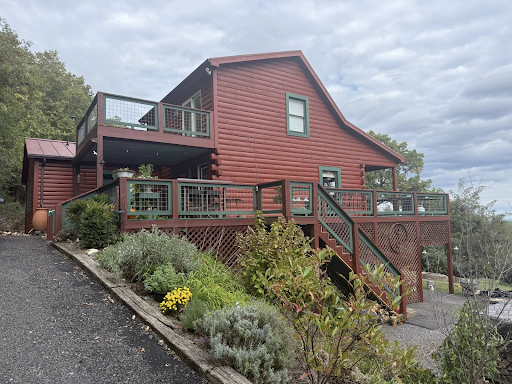
Owning a log home is a dream for a lot of people. There’s just something about the warmth, the texture, the smell of real wood that makes a house feel like it’s alive. But here’s the thing nobody warns you about: log houses require work. Not just the occasional dusting or vacuum. I’m talking about log house maintenance—real, hands-on upkeep that keeps your logs from turning into a pile of rot and regrets. It’s not glamorous, but it’s what separates a log home that stands for decades from one that looks charming for five years and then crumbles.
When you first move into a log home, you might be tempted to think the wood is invincible. It isn’t. Logs breathe, swell, shrink, and react to weather just like your skin would in the sun. Moisture is the enemy, UV rays are the thief, and pests—don’t get me started—can be relentless. Regular log house maintenance keeps all of these in check. And trust me, doing a little bit every year beats dealing with a nightmare later.
Understanding Your Logs and How They Age
First, let’s get one thing straight. Logs are living material. They’re not bricks or vinyl siding. They move. They crack. They absorb moisture, which can lead to warping or worse—rot. Different wood types behave differently, sure, but none are exempt. One spring, a log might swell after a heavy rain. By summer, it shrinks under the sun. These movements are normal. But if you ignore them, gaps form between logs, water sneaks in, and suddenly you’re repairing rotted logs log home-style. And that’s not cheap, and it’s definitely not fun.
So, understanding the wood you have is step one. Oak, pine, cedar—they all have quirks. Cedar handles moisture better than pine, but pine is easier to seal. Oak lasts, but it’s heavy and needs proper staining. A quick visual inspection every few months can save headaches. Look for dark spots, soft patches, or little cracks that are wider than a hairline. Smell the wood if you can; a musty odor often means moisture has been hanging out longer than it should.
Cleaning: The Unsung Hero of Log House Maintenance
This is where a lot of folks slip up. They think because it’s wood, it doesn’t need washing like a regular house. Wrong. Dirt, pollen, bird droppings, and grime sit on your logs like a cozy blanket for mold and mildew. Cleaning isn’t about pressure washing everything to bits. In fact, pressure washers can damage the surface if you go too hot or too close. A soft brush, some mild soap, and a bit of elbow grease go a long way.
Try to clean at least once a year, maybe twice if you live in a wet climate. After cleaning, rinse thoroughly. Don’t leave soap residue. It sounds trivial, but a residue can attract more dirt, which just defeats the purpose. Clean logs make inspections easier too. When you can actually see the wood, you’ll catch potential problems early.
Staining and Sealing: Protect Your Investment
If cleaning is the prelude, staining and sealing is the armor. Logs that aren’t sealed are vulnerable. Sun fades them, rain penetrates, and suddenly you’re asking yourself why you even bothered buying a log home. A good stain not only brings out the natural beauty of the wood but also locks out moisture and UV damage.
Use a high-quality, penetrating stain. Don’t get cheap with this. Yes, it’s an investment, but it’s the difference between logs that last 50 years and logs that start looking sad after a decade. Sealant isn’t just about aesthetics. It’s about survival. And when you’re staining, pay attention to corners, window sills, and the bottom of logs. These spots see the most wear and weather exposure.
Checking for and Repairing Damage
Even with the best maintenance, wood is still wood. Sometimes you’ll find small cracks or soft patches. If you catch them early, fixing them is simple. Sanding, applying wood filler, and resealing can do wonders. But if you ignore it, you might find yourself repairing rotted logs log home-wide. That’s where the big bucks come in. And it’s messy. Trust me, I’ve seen people wrestle with replacing entire log sections because they let rot linger.
Don’t just look at the surface either. Peek under eaves, behind decks, and around the foundation. Logs in these areas are prone to moisture accumulation, and pests love them. Insects like termites or carpenter bees can move in quietly and do more damage than the weather in some cases. Spotting them early is a game-changer.
Gutters, Drainage, and Landscaping Matter
You can do everything right with your logs, but if water isn’t moving away from your house, you’re in trouble. Gutters clogged with leaves? That water sits, saturates the logs, and creates perfect conditions for rot. Landscaping that slopes toward the house? Same deal. Log house maintenance isn’t just about what’s on the wall—it’s about controlling the environment around it.
Make sure your gutters are clean, downspouts direct water away, and the ground slopes so water doesn’t pool at the foundation. Even small tweaks here save you from major headaches later. This isn’t glamorous, but it works.
Regular Inspections: Don’t Wait for a Crisis
Here’s the blunt truth: the people who maintain log homes well aren’t the ones who think about it when there’s a problem. They’re the ones who check every year, sometimes every season. A quick walk around your property, knocking on logs to detect soft spots, peering into cracks, and just generally paying attention—this is preventative maintenance in action.
Set a schedule and stick to it. Spring and fall are ideal. The weather is mild, and it gives you time to address any issues before summer sun or winter snow adds stress. Catch problems early. That’s how log house maintenance actually extends wood life, and saves you money.
Pest Control and Wood Treatments
Logs are organic. Bugs love them. Carpenter bees, termites, and wood-boring beetles can all wreak havoc. A proactive approach is better than reacting. Apply insect-repellent treatments as needed, especially on logs that are prone to moisture. Keep nearby firewood or debris away from your house. Don’t let pests find an easy path in. Sometimes, just being diligent about these small things keeps major infestations from happening.
Weatherproofing and Seasonal Prep
Finally, think seasonally. Cold winters, heavy snow, scorching summers—your logs feel it all. Snow piled against walls in winter? Melted moisture seeps in. Strong summer sun? Logs dry and crack. You can’t control the weather, but you can take steps. Keep snow away from log walls, check caulking around doors and windows, and refresh your sealant if it’s looking tired. Seasonal prep is simple, but it can prevent costly log cabin repair rotten logs down the line.
Conclusion: Keep It Simple, Keep It Consistent
Here’s the bottom line: log house maintenance isn’t rocket science, but it isn’t hands-off either. A little attention, done consistently, goes a long way. Clean your logs, seal them, watch for damage, control moisture, keep pests at bay, and inspect regularly. These aren’t glamorous chores. They’re not quick fixes. But they are what keeps your log home beautiful and structurally sound for decades.
Treat your logs like the living material they are. Don’t let them sit and rot, don’t ignore small cracks, and definitely don’t think nature will take care of it for you. Put in the work now, and your log home will repay you with warmth, beauty, and durability for years to come.
 Portuguese (Brazil)
 English
 Arabic
 French
 Spanish
 Portuguese
 Deutsch
 Turkish
 Dutch
Dutch
 Italiano
 Russian
 Romaian
 Greek
Greek
