


 Ban & Monetization Policy
 MyLiveRoom Rewards Program Rules & Eligibility
Why Using the Right Epoxy Roller Matters
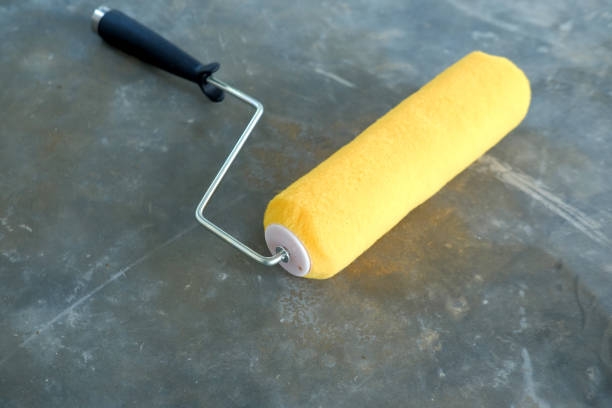
Most people think epoxy floors fail because of the product. Bad kit. Cheap resin. Wrong mix. Sometimes that’s true. But more often, the problem starts with the roller. Not the epoxy itself. You can buy high-end epoxy and still ruin the finish if you grab the wrong tool. I’ve seen it plenty. The right roller changes everything, especially when you’re working on a larger surface. Somewhere between prep and cure time, that 18 inch epoxy roller becomes the difference between a clean, professional floor and something you’re embarrassed to park on.
This isn’t marketing fluff. It’s just how epoxy behaves.
Epoxy Is Unforgiving. Rollers Make It Better or Worse
Epoxy doesn’t act like wall paint. It doesn’t forgive uneven pressure or bad coverage. Once it starts to set, it remembers every mistake you made five minutes earlier. A cheap roller sheds lint. That lint gets locked in forever. A roller with the wrong nap leaves streaks. Those streaks don’t level out like latex paint. Too narrow, and you end up overworking sections, which traps air and causes roller lines.
Epoxy is heavy. Thick. It needs to be moved, not brushed around like primer. This is where people mess up. They treat epoxy like normal paint and expect normal results. Doesn’t work that way.
Coverage Matters More Than You Think
One of the biggest reasons roller choice matters is coverage consistency. Epoxy needs to be laid down evenly. Same thickness. Same pressure. Same overlap. When you’re using a small roller, you’re constantly reloading. Stopping. Starting. Each pass overlaps the last at a slightly different angle. That’s how tiger striping happens. Wider rollers help keep the film even. Fewer passes. Less overlap. More control.
And no, wider doesn’t mean harder to handle if you’re using the right frame. It just means smarter coverage.
Nap Length Can Make or Break the Finish
This part gets overlooked all the time. Short nap rollers don’t hold enough epoxy. You end up pressing harder, which introduces air bubbles. Long nap rollers can hold too much, flooding the surface and causing sags or pooling. For most garage floors, a medium nap designed for epoxy or high-build coatings is the sweet spot. Enough material release without dumping it everywhere.
If the roller isn’t designed for epoxy, you’ll fight it the whole job. And epoxy always wins that fight.
Why Width Changes the Game on Floors
Floors are big, flat, and unforgiving. Using a narrow roller on a wide-open slab is just asking for uneven sheen. An 18-inch setup allows you to keep a wet edge longer. That’s huge. Epoxy doesn’t like being rolled back once it starts to tack. Wider rollers reduce how often you have to do that. Less back-rolling. Less reworking. Cleaner finish.
It’s not about speed, either. It’s about control.
Roller Quality Shows Up After the Cure
Here’s the thing, most people don’t realise. Roller mistakes don’t always show immediately. The floor might look fine while it’s wet. Even decent. Then it cures. That’s when you see it. Fuzz trapped in the surface. Slight lines that catch the light. Texture differences between sections. Once epoxy cures, that’s it. You’re sanding or living with it.
A good roller sheds less, distributes material evenly, and keeps its shape through the whole job. Cheap rollers collapse halfway through and start dragging instead of rolling.
Epoxy Isn’t Cheap. Don’t Cheap Out on the Tool
People will spend serious money on epoxy kits, flakes, topcoats, and moisture barriers. Then grab the cheapest roller they can find. That’s backwards. The roller is the thing actually touching the floor. It’s doing the work. Saving ten bucks there makes zero sense when a recoat costs hundreds and a full redo costs more than that.
Good rollers last longer, too. You’re not swapping sleeves mid-job, which messes with consistency.
Technique Still Matters, But Tools Set the Ceiling
Yes, technique matters. You still need to cut in properly, maintain a wet edge, and watch your pressure. No roller can fix bad habits. But the right roller raises your ceiling. It makes good technique easier and bad technique less destructive. Wrong roller? Even perfect technique struggles.
That’s just reality.
Choosing the Best Roller for Epoxy Floors
If you’re trying to dial in the finish and wondering about the best roller for epoxy, stop thinking in terms of what’s “good enough.” Think in terms of compatibility. You want a roller made for epoxy or high-build coatings. Proper nap. Strong core. No shedding. And wide enough to handle floor work without turning it into a marathon.
This isn’t about brand loyalty. It’s about matching the tool to the job. When you do that, epoxy behaves the way it’s supposed to.
Common Mistakes I See Over and Over
People rush. They use wall rollers. They don’t pre-wet sleeves. They switch rollers mid-coat. Each one leaves a mark. Sometimes subtle. Sometimes ugly. Most of those mistakes disappear when the roller is actually designed for epoxy floors. Not all of them, but enough to matter.
Conclusion: The Roller Is Part of the System
Epoxy flooring isn’t just product plus labour. It’s a system. Prep, material, environment, and tools all work together. Ignore one part, and the whole thing suffers. Using the right epoxy roller isn’t optional if you care about how the floor turns out. It’s not an upgrade. It’s a requirement. You don’t need perfection. You just need the right tool in your hands. After that, epoxy does what epoxy does. And when it’s rolled properly, it shows.
 Portuguese
 English
 Arabic
 French
 Spanish
 Deutsch
 Turkish
 Dutch
Dutch
 Italiano
 Russian
 Romaian
 Portuguese (Brazil)
 Greek
Greek
