


 Ban & Monetization Policy
 MyLiveRoom Rewards Program Rules & Eligibility
What Certifications Are Typically Required for Aircraft Fastener Manufacturers?
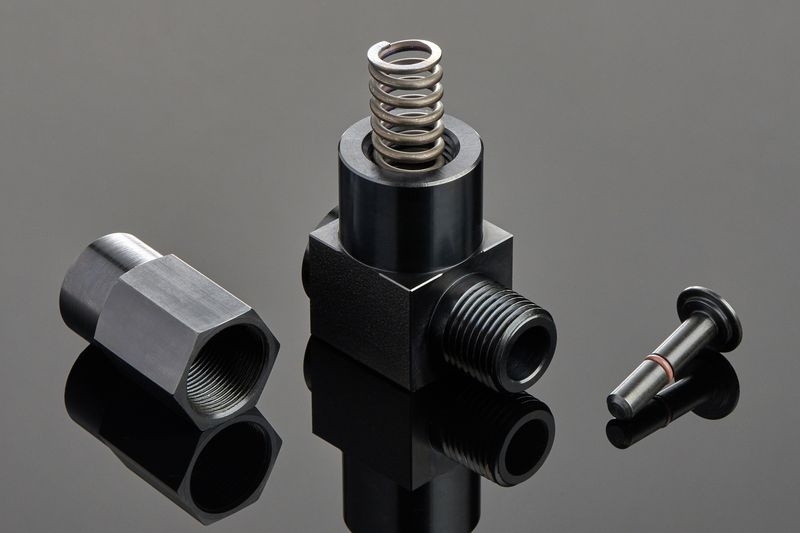
Making fasteners for airplanes is not like making screws for a toolbox. One tiny slip-up can end badly, like really badly. That’s why aircraft fasteners manufacturers have a ton of certifications to deal with. You can’t just make a batch, slap on a label, and call it a day. The industry is brutal. Safety isn’t optional—it’s everything.
AS9100 – The Must-Have Stamp
First things first: AS9100. If a manufacturer doesn’t have it, forget landing big aerospace contracts. It’s basically ISO 9001, but way stricter for aerospace. Paperwork, audits, process checks… it never ends. Some folks complain it’s overkill, but the reality? Without it, you’re invisible to serious clients. And it’s not just a piece of paper. It proves you can manage quality consistently, batch after batch.
FAA and EASA – The Big Bosses
Then you’ve got FAA and EASA approvals. These aren’t just bureaucratic hurdles—they’re literal gatekeepers. FAA approval under 14 CFR Part 21 is no joke. They want proof you know exactly what you’re doing, from material intake to finished product. EASA has its own set of rules, slightly different, slightly annoying. If a manufacturer wants to sell parts globally, juggling both is unavoidable. And trust me, the audits feel like a pop quiz you didn’t study for.
Material Certifications – No Shortcuts Here
Steel, titanium, aluminum—it’s not just about strength. Chemical composition, tensile ratings, corrosion resistance… all certified. Without a proper Mill Test Report (MTR), a batch gets rejected. Straight up. It’s annoying, tedious, but necessary. One wrong batch can screw up a plane assembly or worse. Manufacturers live and breathe this paperwork.
CNC Swiss Machining – Precision Isn’t Optional
A lot of aircraft fastener manufacturers now rely on CNC Swiss machining. These machines can make parts so precise that it’s almost scary. But precision adds headaches. Each operator needs training. Each machine needs validation. A few thousandths off, and the part is junk. Auditors care about this more than you do sometimes. But the truth is, Swiss machines are the only way to get the tolerances aerospace demands. You can’t fake it.
Traceability – Every Step Counts
Here’s a part most outsiders don’t get: traceability. Every fastener has a story. Lot numbers, heat numbers, test reports—they all have to match up. If something fails in the field, a manufacturer has to trace it back, exactly. No guesses, no “probably this batch.” It’s exhausting, and it’s why certifications exist.
Environmental and Safety Compliance
Factories have rules too. ISO 14001, OSHA, local environmental regs—all part of the game. Workers need protection. Waste needs handling. Airplanes don’t care if a factory violates a rule, but regulators do. It’s a juggling act: produce parts fast, produce them right, and stay out of trouble legally. Not easy.
Supplier Oversight – Everyone’s in the Chain
Even if your shop is perfect, you’re only as strong as your suppliers. Raw materials, coatings, special tools—they all need certified credentials. One rogue supplier and an entire audit can fail. Big clients audit the supply chain aggressively. So certifications cascade: not just your shop, but everyone feeding your line.
The Real Challenges Behind the Certifications
Truth is, certifications aren’t just for show. They’re painful, time-consuming, and frustrating. Audits, endless documentation, rechecking reports, keeping operators trained—it never really stops. But that’s what separates hobbyists from professional aircraft fastener manufacturers. This is the real deal. One mistake can be catastrophic. The certifications exist to make sure mistakes are minimized, and sometimes, they literally save lives.
Conclusion – Why It All Matters
At the end of the day, certifications are not bureaucracy for fun—they’re life or death. AS9100, FAA, EASA, material proofs, CNC Swiss machining validation, traceability, safety, environmental compliance, supplier oversight… all of it matters. It’s a grind. It’s tedious. But the manufacturers who stick it out, follow the rules, and keep the paper trail tight? They’re the ones keeping planes in the sky safely. And that’s worth all the headaches.
 Turkish
 English
 Arabic
 French
 Spanish
 Portuguese
 Deutsch
 Dutch
Dutch
 Italiano
 Russian
 Romaian
 Portuguese (Brazil)
 Greek
Greek
