


 Ban & Monetization Policy
 MyLiveRoom Rewards Program Rules & Eligibility
Operational Balance Across Coil Coating and ACP Lines
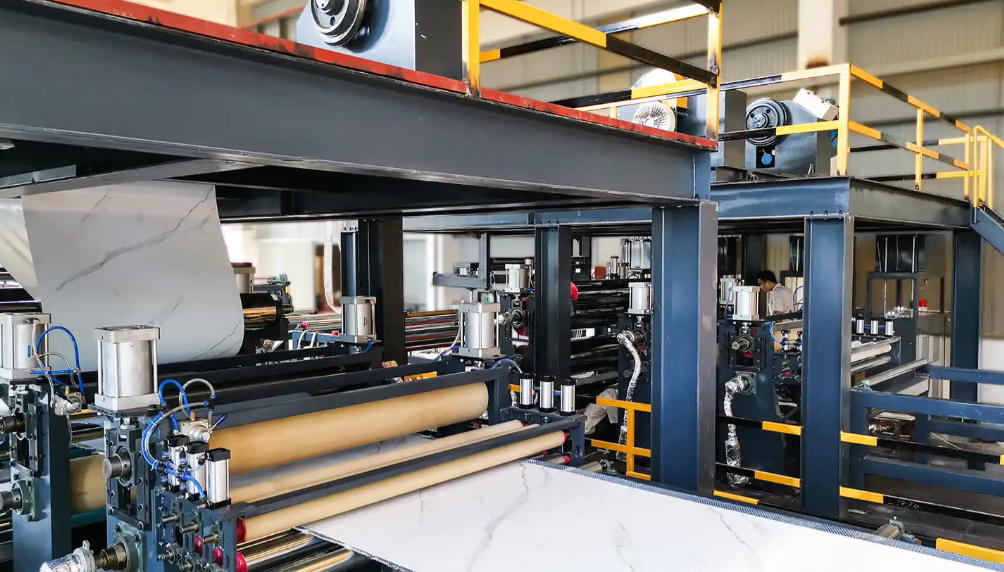
The Coil Coating Line and ACP Line occupy distinct positions in the manufacturing chain, but material flow planning connects them in daily operations. Coated coils leaving the coating line do not immediately become finished products; instead, they move through storage, cutting, and preparation stages before entering the ACP Line. How these transitions are managed influences both efficiency and product consistency.
A Coil Coating Line typically produces large volumes of coated material in continuous runs. This production style supports stable coating conditions and minimizes frequent setup changes. However, ACP Lines often handle a wider variety of panel sizes and specifications, which introduces variability into material demand. Aligning these two production rhythms requires thoughtful scheduling rather than forcing uniformity.
Intermediate handling systems are commonly used to bridge this gap. Coils may be slit into narrower widths or cut into sheets before ACP lamination. These steps allow ACP Lines to operate with materials tailored to panel requirements while preserving the coating quality achieved on the Coil Coating Line. Handling practices during this stage are carefully managed to prevent surface damage or contamination.
From an integration standpoint, ACP Lines depend on consistent material flatness and surface cleanliness. Any issues originating from coil handling or storage can appear as bonding inconsistencies during lamination. For this reason, production teams often define shared material handling standards that apply to both Coil Coating Line output and ACP Line input.
Energy usage considerations also influence integration decisions. Coil Coating Lines involve curing ovens that operate continuously during production runs, while ACP Lines use heating systems intermittently depending on panel flow. Manufacturers aim for balanced energy demand profiles that fit facility capacity without emphasizing peak output scenarios.
Operator coordination supports smoother integration. Although Coil Coating Line operators and ACP Line operators focus on different technical details, communication between teams helps identify patterns that affect overall production. For example, feedback from ACP Line bonding results may lead to adjustments in coating cure parameters upstream.
Automation systems can assist with this coordination. Production data collected from the Coil Coating Line, such as coating thickness or curing temperature, can be referenced when setting ACP Line parameters. While not all facilities implement fully integrated control systems, even basic data sharing contributes to more informed decision-making.
 Deutsch
 English
 Arabic
 French
 Spanish
 Portuguese
 Turkish
 Dutch
Dutch
 Italiano
 Russian
 Romaian
 Portuguese (Brazil)
 Greek
Greek
