


 Ban & Monetization Policy
 MyLiveRoom Rewards Program Rules & Eligibility
Home Level 2 EV Chargers: The Smart Choice for Efficient Daily Charging
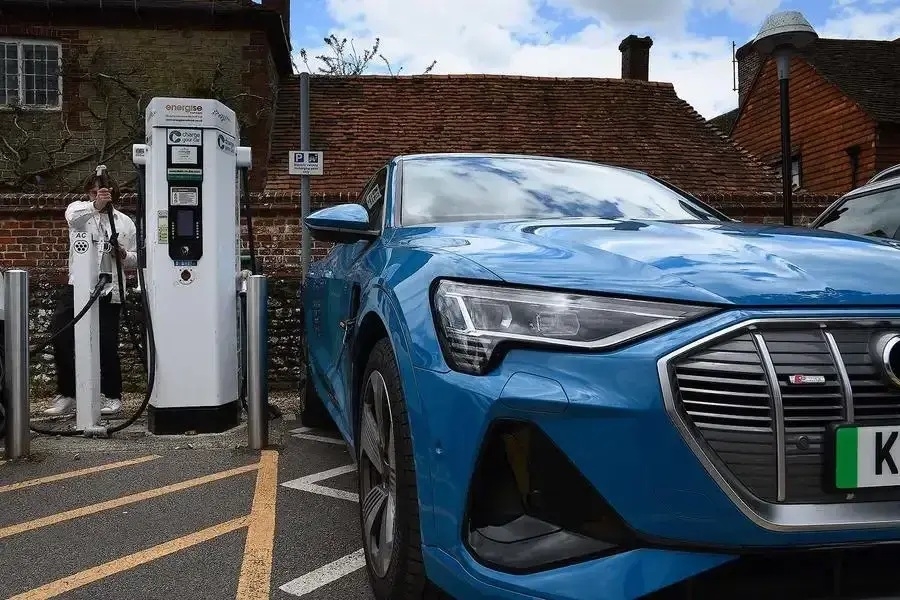
Home Level 2 EV Chargers: The Smart Choice for Efficient Daily Charging
Electric vehicles (EVs) are increasingly mainstream, and as adoption grows, so does the need for reliable, fast, and convenient home charging. Among residential options, Level 2 EV chargers have emerged as the optimal solution for most households. Offering faster charging, energy efficiency, and smart features, Level 2 chargers make everyday EV use practical, economical, and future-ready.
This guide covers everything homeowners need to know about Level 2 chargers: how they work, installation requirements, costs, smart features, and strategies to reduce electricity expenses.
What Are Level 2 EV Chargers?
Level 2 chargers operate on a 240-volt electrical circuit, similar to high-powered household appliances like dryers or ovens. Compared to Level 1 chargers (120V), which add only 3–5 miles of range per hour, Level 2 units deliver 20–40 miles per hour, making them ideal for commuters and households with moderate to high driving demands.
Key Features
-
Higher Voltage (240V): Faster charging than standard outlets.
-
Dedicated Circuit: Ensures safe and reliable operation.
-
Professional Installation: Compliance with local electrical codes and safety standards.
-
Flexible Mounting: Wall-mounted or pedestal-mounted options depending on space and convenience.
Level 2 chargers are particularly valuable for homes with multiple EVs or larger battery packs, turning overnight charging into just a few hours of downtime.
Benefits of Home Level 2 Charging
1. Faster Charging
A Level 2 charger can fully recharge an EV in 3–8 hours, compared with 8–20 hours for a Level 1 charger. Even larger battery packs are ready overnight, eliminating the need for frequent public charging.
2. Energy Efficiency
Level 2 chargers reduce energy loss during charging, optimizing power delivery and lowering electricity costs per mile.
3. Smart Features
Many Level 2 units offer:
-
Scheduled charging during off-peak hours
-
Real-time energy monitoring
-
Alerts for charging status
-
Integration with solar or other renewable energy systems
4. Safety and Reliability
Advanced protections such as ground fault, overcurrent, temperature monitoring, and surge protection ensure safe, dependable operation at home.
Installation Requirements
Electrical Circuit: Most Level 2 chargers require a dedicated 240V circuit with 30–50A capacity. An electrician can determine if your panel needs an upgrade.
Location & Mounting:
-
Wall-mounted: Compact and ideal for garages or driveways.
-
Pedestal-mounted: Flexible for multiple EVs or outdoor installations.
-
Install close to the parking area to minimize cable hazards.
Permits & Compliance: Local electrical codes may require permits, ensuring safe, reliable, and insurance-compliant installations.
Cost Considerations
Hardware Costs: $400–$1,200, depending on features, brand, and power output. Smart chargers may cost more.
Installation Costs: $500–$2,000 on average, depending on electrical upgrades, mounting, and permit fees.
Electricity Costs: Charging at home can cost 3–7 cents per mile with off-peak rates—much lower than gasoline.
Incentives: Tax credits, rebates, and utility incentives can reduce upfront costs, making Level 2 chargers more affordable.
Choosing the Right Level 2 Charger
Power Output: 3.3–19.2 kW—match your EV’s onboard charger for optimal speed.
Smart Features: Remote monitoring, scheduling, and energy analytics.
Cable & Connector: 18–25 feet, compatible with your EV (usually J1772 in North America).
Durability & Weatherproofing: Outdoor chargers should have NEMA 4 or IP65 ratings to withstand weather and dust.
Smart Charging Strategies
-
Time-of-Use Rates: Charge during off-peak hours to lower costs.
-
Energy Management: Integrate with home systems to balance load and prevent peak demand.
-
Solar Integration: Use home solar panels to charge EVs directly, reducing grid reliance and electricity costs.
Maintenance Tips
-
Inspect Cables: Check for fraying or damage.
-
Check Mounting Hardware: Ensure wall or pedestal mounts are secure.
-
Clean Connectors & Surfaces: Prevent dust and corrosion.
-
Update Firmware: For smart chargers, keep software up-to-date for efficiency and safety.
Proper care can extend a Level 2 charger’s lifespan to 10+ years.
Level 2 vs. Other Charging Options
| Feature | Level 1 | Level 2 | DC Fast Charging |
|---|---|---|---|
| Voltage | 120V | 240V | 400–800V+ |
| Charging Speed | 3–5 miles/hr | 20–40 miles/hr | 150–350 miles/hr |
| Installation Cost | None | $500–$2,000 | Public only |
| Best For | Short commutes | Daily driving | Long-distance trips |
Level 2 provides the ideal balance of speed, cost, and convenience for home use.
Real-World Scenarios
-
Single EV Household: 40-mile commute, 7 kW Level 2 charger overnight → full charge by morning, $0.07/mile.
-
Multi-EV Household: Tesla + Nissan Leaf, dual Level 2 chargers → efficient overnight charging, minimal grid load.
-
Solar-Powered Home: Level 2 charger + solar + home battery → near-zero electricity costs, minimal grid reliance.
FAQs
Q1: Do I need a new panel? Possibly—depends on your home’s electrical capacity.
Q2: Can I install it outdoors? Yes, choose a weatherproof charger.
Q3: Are smart features necessary? Not mandatory, but they maximize savings and convenience.
Q4: How long does installation take? Usually 2–6 hours, depending on electrical upgrades and mounting.
Future Trends
-
Vehicle-to-Grid (V2G): EVs supply energy back to the grid during peak hours.
-
Higher-Power Level 2 Chargers: Faster units up to 19.2 kW.
-
Smart Grid Integration: Enhanced demand response and energy optimization.
-
Renewable Integration: Solar + battery + smart chargers for near-zero-cost charging.
Conclusion
Home Level 2 EV chargers offer the perfect combination of speed, efficiency, and convenience. With proper hardware selection, professional installation, and smart charging strategies, Level 2 chargers make EV ownership practical, cost-effective, and future-ready. They aren’t just faster chargers—they are tools for energy savings, safety, and long-term sustainability.
China manufacturer offers high-quality industrial products with competitive pricing and advanced production capabilities.
 French
 English
 Arabic
 Spanish
 Portuguese
 Deutsch
 Turkish
 Dutch
Dutch
 Italiano
 Russian
 Romaian
 Portuguese (Brazil)
 Greek
Greek
