


 Ban & Monetization Policy
 MyLiveRoom Rewards Program Rules & Eligibility
Assessing Cocktail Equipment Through Wear and Repetition
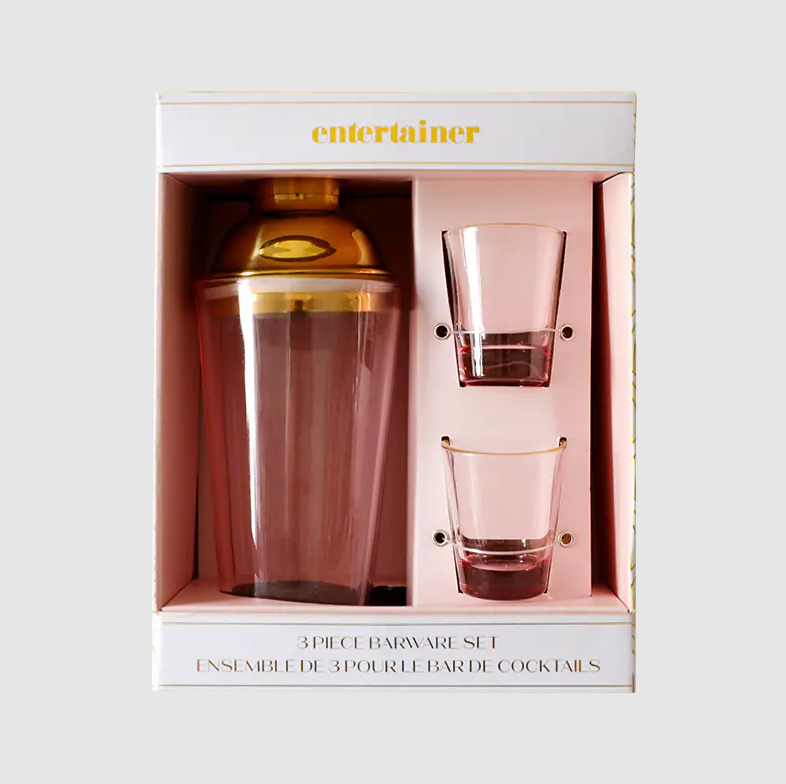
When selecting bar tools, many users focus on initial appearance without considering how materials behave after repeated use. Over time, the mixology cocktail kit and the professional cocktail kit reveal their true character through wear patterns, surface changes, and structural stability. These factors influence not only durability but also how tools continue to perform as part of a daily routine.
Metal composition remains a foundational consideration. Stainless steel is commonly chosen for its resistance to corrosion and neutral interaction with ingredients. However, variations in alloy composition and finishing methods affect how surfaces age. Some finishes develop fine scratches that blend into a uniform patina, while others highlight wear more visibly. Neither outcome is inherently negative, but expectations should align with intended use.
Thickness and rigidity also matter. Thin-walled shakers may feel lighter initially, but they can deform under repeated pressure or temperature fluctuations. Slight changes in shape affect how components fit together, potentially compromising seals. A professional cocktail kit often prioritizes structural stability to maintain consistent performance even after extended use.
Joint construction influences longevity as well. Welded seams, rolled edges, and reinforced joints reduce stress concentration points. Over time, these construction details determine whether tools remain aligned or develop subtle distortions. Users who prepare drinks regularly tend to notice these changes earlier, as misalignment affects both feel and function.
Markings and measurements deserve particular attention. Etched measurement lines resist fading better than printed alternatives. As tools are washed and dried repeatedly, these markings must remain legible to support accuracy. A mixology cocktail kit that retains clear measurements over time supports consistent preparation without forcing users to replace components prematurely.
Surface treatments also influence maintenance. Smooth finishes resist residue buildup, while textured areas may trap moisture if not dried thoroughly. Thoughtful design balances grip with cleanability, ensuring that tools remain hygienic without excessive effort. This balance becomes especially important in shared or instructional environments.
Plastic and composite components, when included, require careful evaluation. While lightweight and cost-effective, these materials may degrade differently than metal. Exposure to acids, sugars, and temperature changes can affect surface integrity. Kits intended for extended use often limit plastic components to non-critical roles or select formulations designed for repeated contact with liquids.
Storage conditions further influence material performance. Tools stored in enclosed cases may retain moisture if not fully dried, while open stands allow airflow but expose surfaces to dust. A professional cocktail kit typically considers storage compatibility, ensuring that materials tolerate varied environments without accelerated degradation.
 Greek
Greek
 English
 Arabic
 French
 Spanish
 Portuguese
 Deutsch
 Turkish
 Dutch
Dutch
 Italiano
 Russian
 Romaian
 Portuguese (Brazil)
