


 Ban & Monetization Policy
 MyLiveRoom Rewards Program Rules & Eligibility
Fire Extinguisher Refill vs Replace: What’s Better?
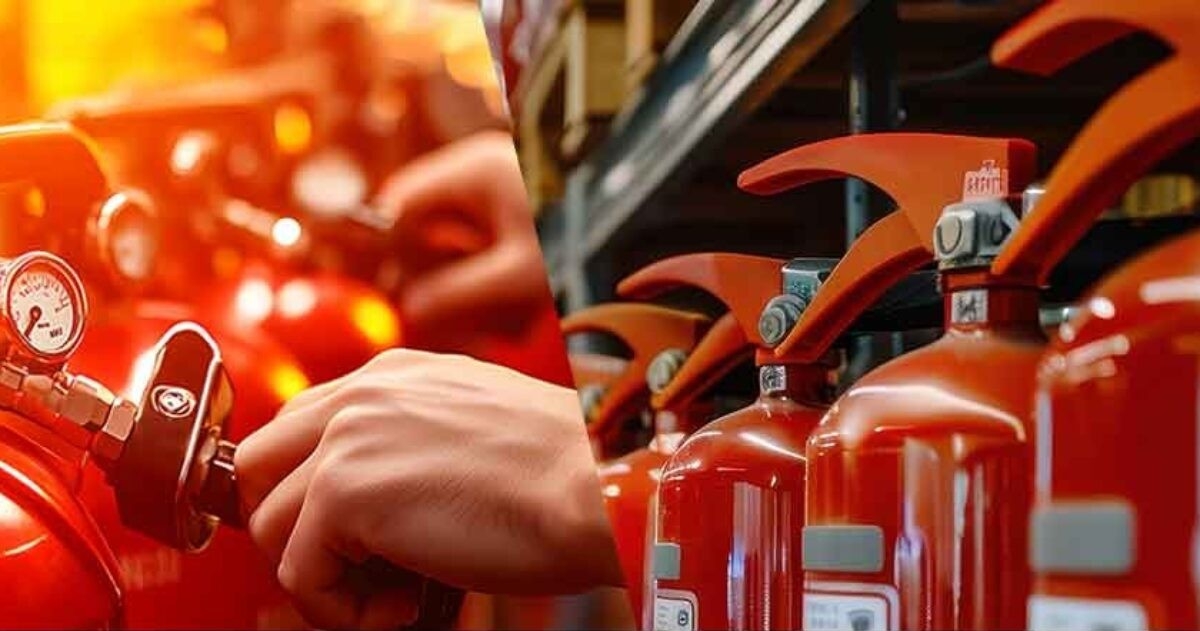
Fire extinguishers play a critical role in protecting lives and property during emergencies. Yet, when an extinguisher is used, loses pressure, or reaches its service date, many people face a common question: Should I refill it or replace it entirely?
Choosing the wrong option can lead to unnecessary expenses, safety risks, or compliance issues. In this blog, we provide a clear, practical comparison of fire extinguisher refill vs replace, helping homeowners and businesses make the safest and most cost-effective decision.
Understanding Fire Extinguisher Refill and Replacement.
What Is a Fire Extinguisher Refilling?
Fire extinguisher refilling involves:
✓ Emptying old or used extinguishing agents
✓ Inspecting internal and external components
✓ Refilling with fresh, approved firefighting chemicals
✓ Repressurizing and leak testing
✓ Re-tagging with service details
Most ISI-certified extinguishers are designed to be refilled multiple times during their lifespan.
What Does Replacing a Fire Extinguisher Mean?
Replacement means purchasing a brand-new fire extinguisher. This is usually required when the existing unit is no longer safe, compliant, or serviceable due to damage or age.
Fire Extinguisher Refill vs Replace — Key Differences.
Cost Comparison
✓ Refilling cost: Significantly lower, usually 60–70% cheaper
✓ Replacement cost: Includes cylinder, valve, manufacturing, transport, and installation
For businesses with multiple extinguishers, refilling can save thousands annually.
Safety & Performance
A professionally refilled extinguisher performs just as effectively as a new one—provided the cylinder and valve are in good condition.
However, damaged or corroded units compromise safety and must be replaced.
Compliance with Fire Safety Standards
Fire safety norms (such as IS 2190) require Regular servicing, Valid refill tags and Pressure testing records. Both refilled and new extinguishers can be compliant if maintained correctly.
Environmental Impact
Refilling reduces Metal waste, Chemical disposal and Manufacturing emissions. Replacement increases environmental burden and should be limited to necessary cases.
When Is a Fire Extinguisher Refilling Is the Better Choice?
✓ After Partial or Full Discharge - Even minimal use reduces pressure. Refilling ensures the extinguisher is fully operational again.
✓ When Pressure Is Low but Cylinder Is Intact - If the gauge shows low pressure but there’s no physical damage, refilling is ideal.
✓ For Annual Fire Safety Maintenance - Routine servicing and refilling keep extinguishers audit-ready without replacing them.
✓ For Businesses with Multiple Extinguishers - Commercial properties benefit most from refilling due to scale, cost savings, and compliance needs.
When You Should Replace Your Fire Extinguisher?
✓ Damaged or Corroded Cylinder - Rust, dents, or cracks weaken the cylinder and pose explosion risks.
✓ Failed Hydrostatic Pressure Test - If the extinguisher fails pressure testing, refilling is unsafe.
✓ Non-ISI or Obsolete Extinguishers - Outdated or uncertified extinguishers should be replaced to meet legal standards.
✓ Expired Beyond Serviceable Life - Most extinguishers have a defined lifespan. Once exceeded, replacement is safer.
Cost Breakdown — Refill vs Replace.
What’s Included in a Fire Extinguisher Refill
✓ Visual and internal inspection
✓ Cleaning and drying
✓ Fresh extinguishing agent
✓ Repressurization
✓ Leak testing
✓ Service tag and documentation
What You Pay for When Buying a New Extinguisher
✓ Manufacturing cost
✓ Cylinder and valve assembly
✓ Transportation
✓ Certification and branding
✓ Installation
This explains why replacement is always more expensive.
Risks of Choosing the Wrong Option.
Safety Risks
✓ Empty or weak discharge during emergencies
✓ Fire re-ignition due to ineffective agents
Legal & Financial Risks
✓ Penalties during fire audits
✓ Insurance claim rejection after fire incidents
✓ Liability for property owners and employers
How to Decide — Refill or Replace?
Ask these questions:
- Is the cylinder free from rust and damage?
- Did it pass pressure testing?
- Is it ISI-certified?
- Has it been serviced regularly?
- Is it within its serviceable lifespan?
If the answer is “yes” to most, refilling is the better choice.
Importance of Professional Fire Extinguisher Servicing.
Why DIY Refilling Is Unsafe
Incorrect pressure, poor-quality agents, and improper sealing can lead to failure or injury.
Role of Certified Fire Safety Service Providers
Certified professionals ensure:
✓ Compliance with safety standards
✓ Proper testing and documentation
✓ Reliable performance during emergencies
Documentation & Service Tags Explained
Service tags record:
✓ Refill date
✓ Next service due
✓ Technician details
People Also Ask (FAQs)
- Is a fire extinguisher refilling safe?
Yes, when done by certified professionals using approved methods and materials.
- How many times can a fire extinguisher be refilled?
As long as it passes inspections and pressure tests, it can be refilled multiple times.
- How often should a fire extinguisher be replaced?
Only when damaged, obsolete, or beyond its serviceable lifespan.
- Does refilling meet fire safety compliance requirements?
Yes, if done according to prescribed standards with proper documentation.
- Can an expired fire extinguisher be refilled?
It depends on condition and test results. Some expired units must be replaced.
Conclusion.
Choosing between fire extinguisher refill vs replace isn’t just about cost—it’s about safety, compliance, and reliability. Regular inspections and professional servicing ensure your extinguishers are always ready to protect lives and property.
When in doubt, consult a certified fire safety expert to make the right decision.
 English
 Arabic
 French
 Spanish
 Portuguese
 Deutsch
 Turkish
 Dutch
Dutch
 Italiano
 Russian
 Romaian
 Portuguese (Brazil)
 Greek
Greek
