


 Ban & Monetization Policy
 MyLiveRoom Rewards Program Rules & Eligibility
Sales CRM Software: The Key to Smarter Selling
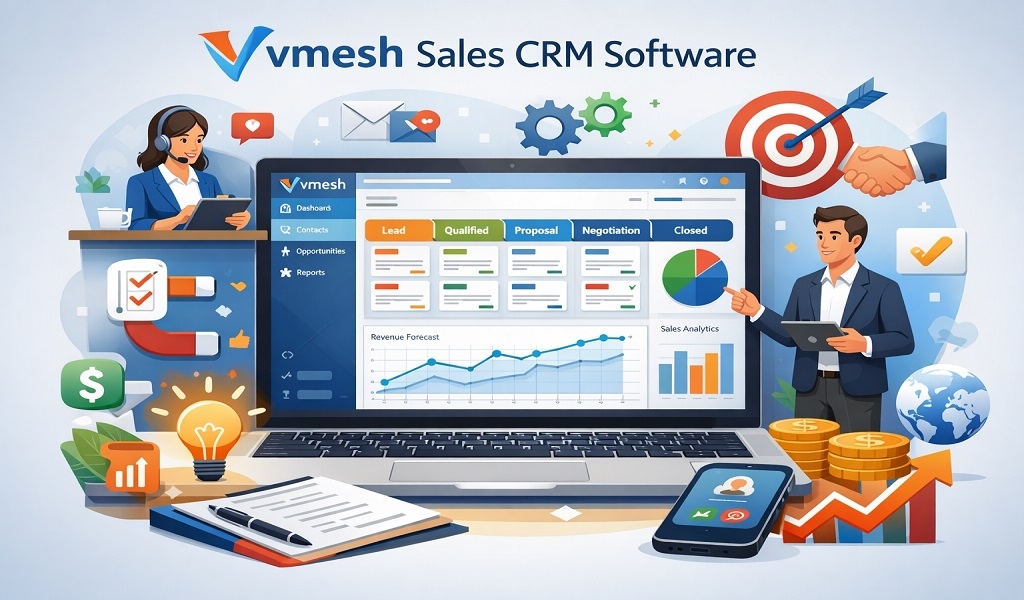
In today’s hyper-competitive business environment, companies cannot rely solely on instinct or sporadic customer interactions to drive sales. To stay ahead, businesses need a systematic approach to managing customer relationships, tracking leads, and optimizing the sales process. This is where Sales CRM software comes into play—a tool that has transformed the way organizations approach selling and has become essential for businesses looking to achieve smarter, more efficient sales.
What is Sales CRM Software?
CRM stands for Customer Relationship Management, and at its core, a CRM system is designed to help businesses manage interactions with current and potential customers. Sales CRM software, in particular, focuses on improving the efficiency and effectiveness of a sales team by centralizing data, automating repetitive tasks, and providing insights that enable informed decision-making.
Unlike traditional spreadsheets or scattered contact lists, CRM software offers a unified platform where all customer information is stored and accessible. This includes contact details, communication history, purchase records, and even customer preferences. With this wealth of information at their fingertips, sales professionals can tailor their approach to each prospect, making every interaction more meaningful and strategic.
Why Sales CRM Software is Essential
The benefits of implementing Sales CRM software extend far beyond just organization. Here are several key reasons why it has become indispensable for modern sales teams:
1. Streamlines the Sales Process
A CRM system helps standardize and optimize sales workflows. By clearly defining each stage of the sales pipeline—from lead generation and qualification to deal closure—CRM software allows teams to track progress, assign responsibilities, and forecast outcomes. Automation features can handle repetitive tasks such as follow-up emails, reminders, or data entry, freeing up sales professionals to focus on selling rather than administrative work.
2. Provides Actionable Insights
One of the most powerful aspects of Sales CRM software is its ability to convert raw data into actionable insights. By analyzing customer interactions, purchasing patterns, and engagement metrics, CRM systems can identify trends, highlight potential upsell opportunities, and even predict future sales. These insights allow managers to make data-driven decisions, ensuring that resources are allocated efficiently and sales strategies are continuously refined.
3. Enhances Customer Relationships
At its heart, sales is about relationships. A CRM system provides a 360-degree view of each customer, allowing sales representatives to understand their needs, preferences, and pain points. With this information, businesses can personalize communications, offer relevant solutions, and build trust over time. The result is stronger customer loyalty, higher satisfaction, and increased revenue.
4. Improves Collaboration
Modern sales teams often involve multiple stakeholders, from account managers and marketers to customer support specialists. A centralized CRM platform ensures that everyone has access to the same information, reducing miscommunication and duplication of effort. Collaboration tools within CRM software, such as shared dashboards and task assignments, make it easier for teams to work together toward common goals.
5. Facilitates Scalability
As businesses grow, managing customer interactions manually becomes increasingly difficult. Sales CRM software scales effortlessly with the organization, allowing companies to handle larger volumes of leads, clients, and transactions without sacrificing efficiency. This scalability is particularly valuable for fast-growing startups and enterprises looking to expand their market reach.
Features to Look for in Sales CRM Software
While the benefits of CRM software are clear, not all CRM systems are created equal. To maximize value, businesses should look for a solution that offers the following features:
-
Lead and Contact Management: Organize and prioritize leads to focus on the most promising prospects.
-
Sales Pipeline Tracking: Visualize the stages of your sales process to monitor progress and forecast revenue.
-
Automation Tools: Automate repetitive tasks such as email follow-ups, reminders, and data entry.
-
Analytics and Reporting: Access dashboards and reports that provide insights into sales performance and trends.
-
Integration Capabilities: Connect with other business tools like email platforms, marketing software, and accounting systems.
-
Mobile Accessibility: Enable sales teams to access customer information and update records on the go.
By choosing a CRM system that aligns with their needs, businesses can ensure that their investment drives tangible results.
Real-World Impact of Sales CRM Software
Consider a mid-sized B2B company struggling to manage a growing number of leads. Before implementing a CRM system, the sales team relied on spreadsheets and manual tracking. Opportunities slipped through the cracks, follow-ups were inconsistent, and reporting was time-consuming.
After adopting a Sales CRM platform, the company experienced dramatic improvements. Lead tracking became automated, follow-ups were scheduled and personalized, and the sales manager could easily monitor team performance through real-time dashboards. Within six months, the company reported a 25% increase in lead conversion rates and a significant reduction in administrative workload. This example illustrates how CRM software can transform sales operations from chaotic to strategic, directly impacting revenue growth.
Choosing the Right Sales CRM
Selecting the right CRM software requires careful consideration. Businesses should evaluate options based on functionality, ease of use, customization, and cost. It’s also important to involve the sales team in the decision-making process to ensure that the system meets their day-to-day needs. Many providers offer free trials or demos, allowing teams to test features before committing to a subscription.
Additionally, businesses should view CRM implementation as more than a technology upgrade—it’s a cultural shift. Successful adoption requires proper training, ongoing support, and clear communication of the benefits to ensure that the team embraces the new system.
The Future of Smarter Selling
Sales CRM software is no longer a luxury; it’s a necessity for companies seeking smarter selling strategies. As artificial intelligence (AI) and machine learning continue to evolve, the next generation of CRM systems will offer even deeper insights, predictive analytics, and automated recommendations, helping sales teams make faster, smarter decisions. Businesses that embrace CRM technology now are positioning themselves to stay competitive in an increasingly data-driven marketplace.
Conclusion
In the modern sales landscape, knowledge is power, and organization is key. Sales CRM software equips businesses with both, providing a centralized platform to manage leads, streamline workflows, enhance customer relationships, and make data-driven decisions. By investing in the right CRM system, companies can not only improve efficiency but also drive sustainable growth, increase revenue, and achieve smarter selling.
For sales teams striving to stay ahead, CRM software is no longer optional—it’s the strategic advantage that separates top performers from the rest.
 Greek
Greek
 English
 Arabic
 French
 Spanish
 Portuguese
 Deutsch
 Turkish
 Dutch
Dutch
 Italiano
 Russian
 Romaian
 Portuguese (Brazil)
