


 Ban & Monetization Policy
 MyLiveRoom Rewards Program Rules & Eligibility
Copper Wire: Definition, Applications, and Key Properties
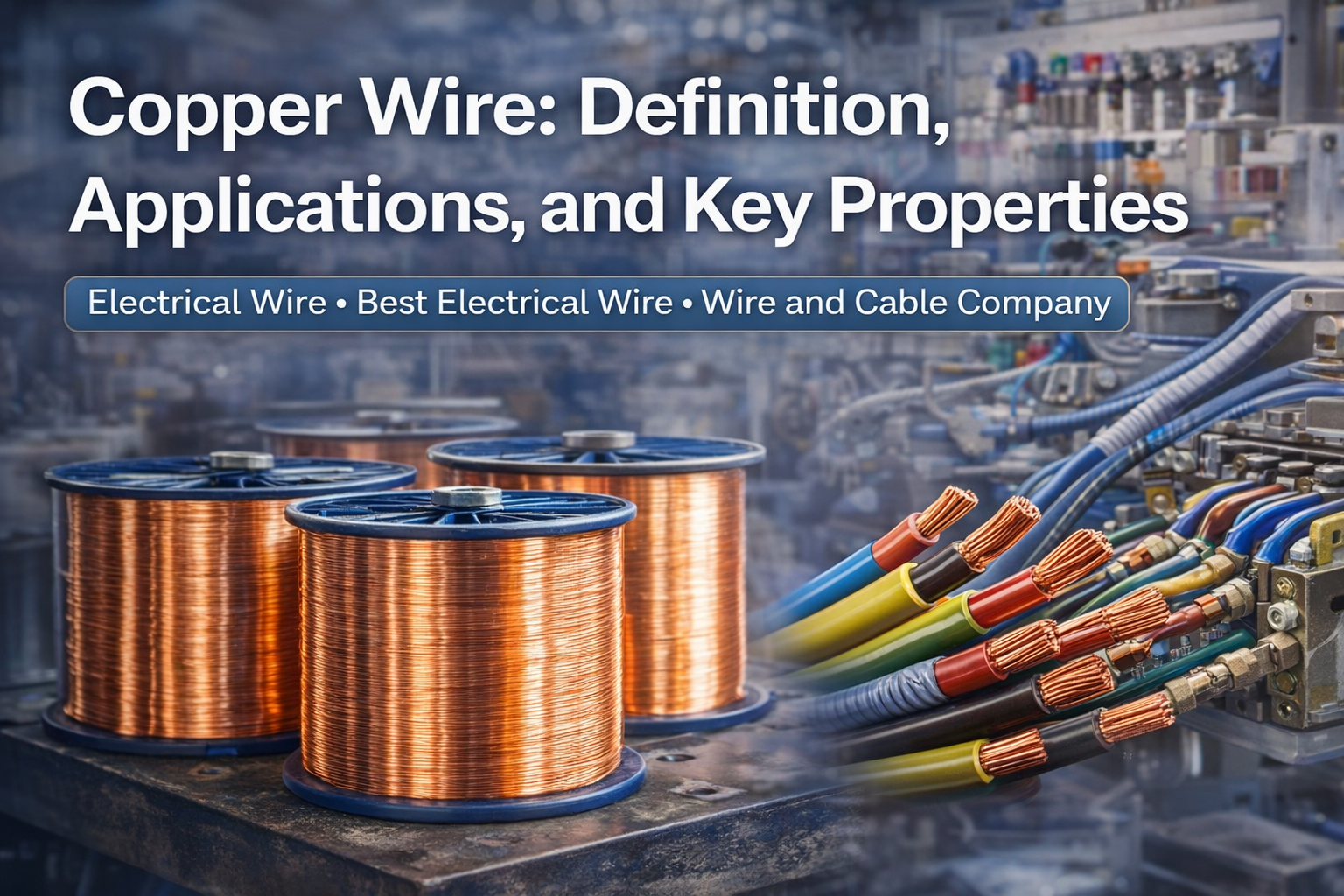
Introduction: The Backbone of Modern Electrical Systems
Electricity powers almost every aspect of modern life, and at the core of this vast electrical network lies one essential component copper wire. From lighting homes and running appliances to supporting industrial machinery and infrastructure projects, copper wire plays a vital role in ensuring safe and efficient power transmission.
Despite the availability of alternative conductor materials, copper continues to dominate the electrical wiring industry globally. Its reliability, performance, and long service life make it the preferred choice for professionals when selecting the best electrical wire for long-term applications.
This blog explores the definition of copper wire, its key properties, and its wide-ranging applications, helping you understand why it remains the gold standard in electrical wiring.
What Is Copper Wire?
Copper wire is an electrical conductor made from refined copper, designed to carry electrical current with minimal resistance. Due to copper’s natural atomic structure, it allows electrons to flow smoothly, making it one of the most efficient materials for conducting electricity.
In electrical systems, copper wire is used either as a solid conductor or in stranded form, depending on the application. It is widely adopted across residential, commercial, and industrial installations because it offers a strong balance of conductivity, safety, and durability.
As a result, copper wire has become the foundation of modern electrical wire systems worldwide.
Key Properties of Copper Wire
Understanding why copper wire is so widely used requires a closer look at its core properties.
1. High Electrical Conductivity
Copper has one of the highest electrical conductivity levels among commonly used metals. This means less energy loss during transmission and improved efficiency across circuits.
2. Low Electrical Resistance
Low resistance helps minimise heat generation, which directly improves safety and reduces the risk of insulation damage or electrical fires.
3. Excellent Mechanical Strength
Copper wire maintains its strength even under repeated electrical loads, ensuring consistent performance over long periods.
4. Flexibility and Workability
Copper can be easily drawn into thin wires and bent during installation without cracking, making it ideal for complex wiring layouts.
5. Corrosion Resistance
Copper resists corrosion better than many alternatives, which helps extend the lifespan of electrical installations.
These properties together explain why copper is still regarded as the best electrical wire material in the industry.
Types of Copper Wire Used in Electrical Applications
Copper wire is available in different forms; each designed for specific usage conditions.
Solid Copper Wire
Solid copper wire consists of a single conductor. It is commonly used in fixed installations such as wall wiring, switchboards, and distribution panels where movement is minimal.
Stranded Copper Wire
Stranded copper wire is made of multiple thin copper strands twisted together. This design offers better flexibility and is used in appliances, equipment wiring, and areas subject to vibration.
Flexible Copper Wire
Flexible copper wire is specially designed for applications that involve frequent movement, bending, or dynamic load conditions. It is widely used in extension cords, portable tools, and control panels.
Each type serves a different purpose, but all rely on the same fundamental advantages of copper.

Applications of Copper Wire Across Industries
The applications of copper wire are extensive and continue to grow with expanding electrification.
Residential Applications
In homes, copper wire is used for lighting circuits, power sockets, earthing systems, and appliance connections. Its safety and reliability make it ideal for everyday use.
Commercial and Institutional Buildings
Offices, hospitals, malls, and data centers depend on copper wiring for uninterrupted power supply, HVAC systems, elevators, and emergency circuits.
Industrial Applications
Industries rely heavily on copper wire for motors, machinery, automation systems, control panels, and power distribution networks. Its ability to handle continuous loads makes it suitable for demanding environments.
Infrastructure and Utilities
From transport systems to power distribution infrastructure, copper wire supports large-scale electrical networks that require high performance and long service life.
These wide-ranging applications reinforce copper’s importance as a core component of modern electrical systems.
Why Copper Wire Is Considered the Best Electrical Wire
The reputation of copper wire as the best electrical wire is built on decades of proven performance. Copper delivers consistent conductivity, withstands thermal stress, and maintains stable connections over time.
Compared to other materials, copper offers better safety margins, reduced maintenance needs, and superior long-term reliability. These factors make it the preferred choice for engineers, contractors, and consultants when designing electrical systems.
As a result, most leading wire and cable companies continue to base their product portfolios around copper conductors.
Copper Wire and Electrical Safety
Electrical safety is one of the strongest reasons for copper’s continued dominance. Copper wire reduces overheating due to its low resistance and supports stable current flow even under fluctuating loads.
When properly installed, copper wiring significantly lowers the risk of short circuits, insulation breakdown, and fire hazards. This makes it especially valuable in environments where safety regulations and compliance are critical.
Global and Indian Demand for Copper Wire
Globally, copper wire demand is increasing due to urbanisation, renewable energy projects, EV infrastructure, and industrial growth. In India, rising electricity consumption, housing development, and infrastructure investments are driving sustained demand for high-quality electrical wire solutions.
This growth has encouraged continuous innovation and capacity expansion among leading manufacturers and wire and cable companies.
Choosing the Right Copper Wire for Your Project
Selecting the right copper wire depends on factors such as load requirements, installation environment, flexibility needs, and applicable safety standards. Fixed wiring systems benefit from solid conductors, while dynamic systems require stranded or flexible wires.
Choosing products from a reliable wire and cable company ensures that conductor quality, insulation performance, and compliance standards are met consistently.
Future Outlook: Why Copper Wire Will Remain Essential
As electrical systems become more complex and power demand increases, the need for reliable conductors will only grow. Copper’s unmatched combination of efficiency, durability, and safety ensures that it will remain a critical material for electrical wiring in the years to come.
Even as new technologies emerge, copper wire continues to adapt and support evolving electrical infrastructure.
Conclusion: A Proven Choice for Reliable Electrical Wiring
Copper wire has earned its position as the backbone of modern electrical systems. Its superior conductivity, wide ranging applications, and strong safety performance make it indispensable across residential, commercial, and industrial sectors.
When it comes to selecting the best electrical wire, copper remains the most trusted option globally. Working with an experienced wire and cable company further ensures access to high-quality copper wiring solutions that meet today’s electrical demands.
Torrent Electricals, known for its focus on quality and engineering excellence, continues to deliver reliable copper wire products designed for safety, performance, and long-term value supporting modern electrical infrastructure across India.
Source by - https://tinyurl.com/vd2sdu54
 Portuguese (Brazil)
 English
 Arabic
 French
 Spanish
 Portuguese
 Deutsch
 Turkish
 Dutch
Dutch
 Italiano
 Russian
 Romaian
 Greek
Greek
